Qinghai: The High-Altitude Heartland Where China’s Three Great Rivers Begin Their Long Journey
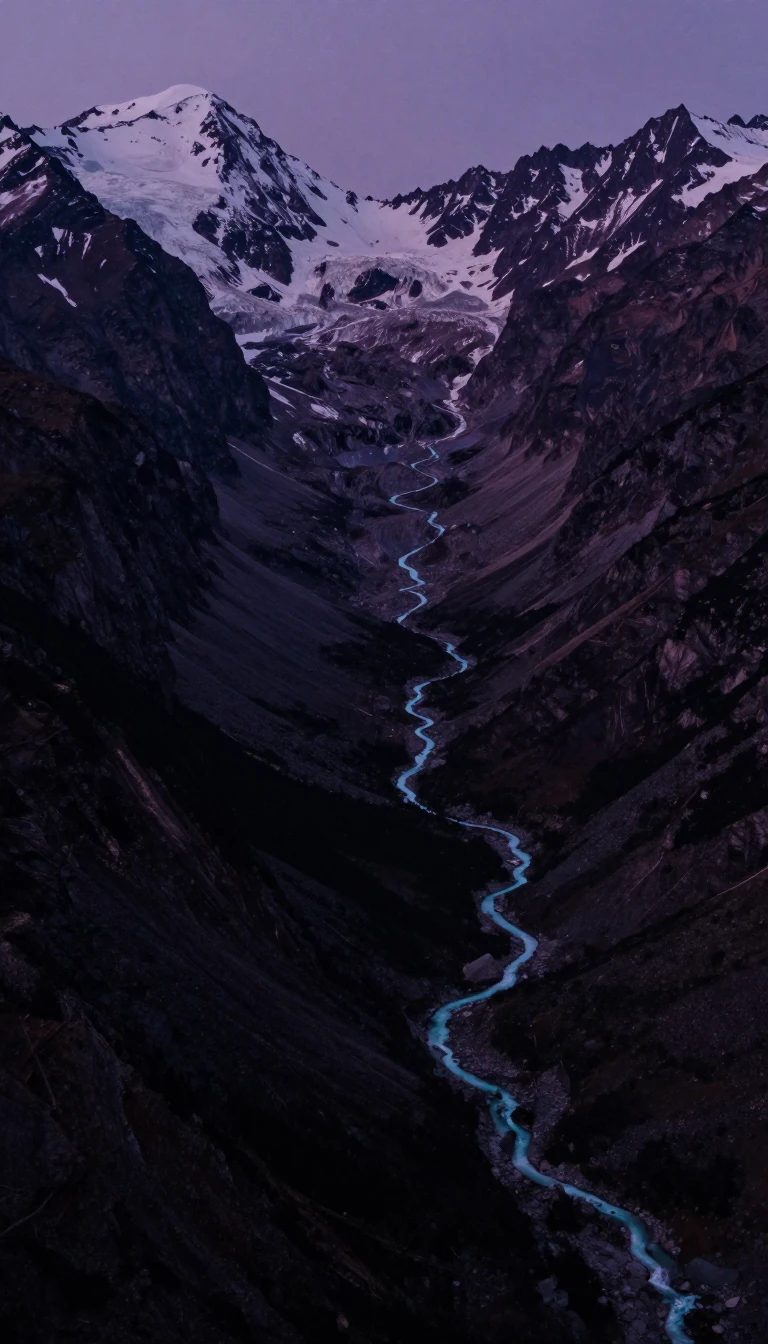
In short: Spanning the northeastern Tibetan Plateau, Qinghai is China’s largest province by area yet remains one of its least populated. Known for its extreme geography and diverse ethnic tapestry, this inland region serves as the vital headwaters for the Yangtze, Mekong, and Yellow rivers, anchoring a unique, high-altitude ecosystem.
Qinghai is a land of dramatic contrasts, defined by an average elevation of 3,000 meters and the vast, resource-rich Qaidam Basin. Its landscape is shaped by the Kunlun and Tanggula mountain ranges, separating pastoral western zones from the more agricultural east. The province is home to Qinghai Lake, the largest saltwater lake in China, which sits at an elevation of 3,600 meters. This high-altitude environment creates a climate of harsh, cold winters and mild summers, making the capital city of Xining a popular seasonal retreat for visitors from China’s hotter regions.
The province’s history is a complex layering of nomadic tribes, imperial dynasties, and regional warlords. During the Bronze Age, the Kayue culture thrived here, followed by the rise of the Tuyuhun Kingdom in the 3rd century CE. By the 18th century, the Qing dynasty had consolidated control, though the region remained a frontier marked by shifting power dynamics between Tibetan, Mongol, and Han influences. In the 20th century, the area was governed by the Ma clique, a Hui Muslim warlord family, until the establishment of the People’s Republic of China in 1949.
Today, Qinghai is a cultural mosaic, with over 37 recognized ethnic groups. While Han Chinese make up 50.5% of the population, the province is home to significant Tibetan, Hui, Tu, Mongol, and Salar communities. Unlike autonomous regions in China, Qinghai is governed as a province because no single minority holds clear dominance. This demographic diversity is reflected in the local religious landscape, which blends Tibetan Buddhism, Islam, and Chinese folk traditions. Despite its vast natural wealth, including salt lake resources and oil, Qinghai remains one of China’s smallest economies, currently prioritizing infrastructure expansion to bridge the gap between its remote western reaches and its industrializing capital.
Opens the Intellect+ feed with this card first. Swipe up for the next one.
Sources
- Summary by Intellect · source: Qinghai
- Also: Wikidata — Qinghai · CC0
- Also: www.britannica.com — Qinghai | Province, China & Tibetan Plateau | Britannica
To cite this card, link to https://intellectplus.co.uk/app/places-qinghai.
How we source, check and correct cards: Editorial standards.
General information, not professional advice. Spotted an error? Flag the card or see corrections and complaints.
Intellect Plus is a visual educational discovery platform for exploring fascinating facts and ideas. Brain Food, Not Brain Rot. What is Intellect Plus?
Related
More in Cities · More in Countries & Cities · Latest · A–Z · All topics
