The Reichsmark was a currency defined by hyperinflation, secret debt, and wartime occupation chaos.
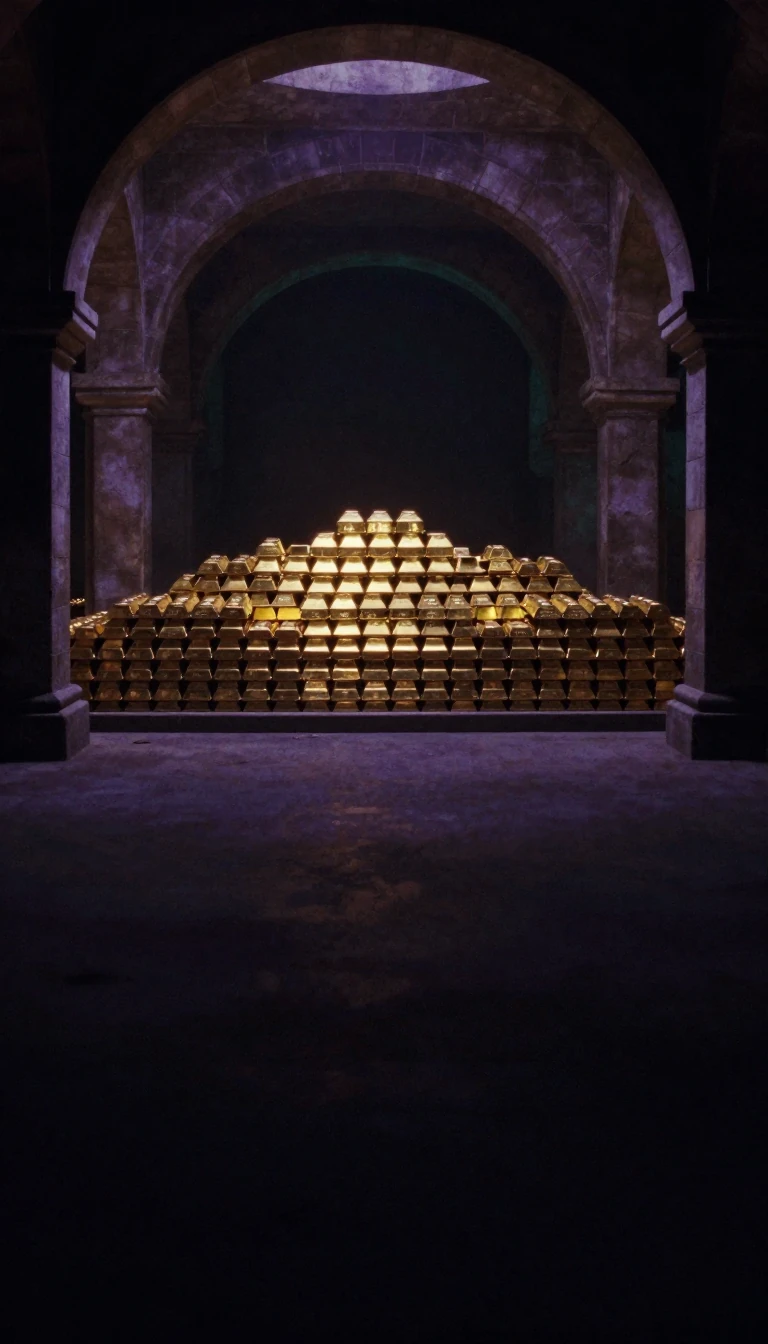
In short: Introduced in 1924 to stabilize a collapsing German economy, the Reichsmark eventually became a tool for wartime exploitation and black-market maneuvering. From its gold-backed origins to the chaotic Allied occupation period, this currency tells the story of a nation’s volatile twentieth-century financial history through coins, notes, and secret bonds.
The Reichsmark emerged in 1924 as a permanent successor to the Papiermark, which had been decimated by the hyperinflation of 1923. To facilitate the transition, Germany initially utilized the Rentenmark, an interim currency backed by industrial and agricultural assets. Once established, the Reichsmark was pegged to the gold standard at a rate of 4.20 to the U.S. dollar. However, the state soon engaged in shadow financing, authorizing shell companies to issue bonds that were nominally exchangeable for Reichsmarks but discounted by the Reichsbank. This allowed for significant monetary expansion without formally abandoning the gold standard.
During the Second World War, the currency became a mechanism for occupation. Germany imposed fixed exchange rates on conquered territories, systematically benefiting German soldiers and contractors. As the war neared its end, inflation accelerated, causing the currency's value to plummet from 2.50 to 10 Reichsmarks per U.S. dollar. A barter economy took hold, where goods like American cigarettes became more valuable than the currency itself. By the time the war concluded, the Reichsmark had lost nearly all credibility, with black-market exchange rates reaching 200 per dollar.
The post-war period introduced further instability through Allied Occupation Marks. In a move that later triggered a U.S. Congressional investigation, the Soviet Union obtained the original engraving plates and printing equipment from the U.S. Treasury in 1944. They subsequently printed vast quantities of occupation currency, leading to an estimated $380 million in excess circulation. The Reichsmark’s tenure finally ended in June 1948, when the Currency Reform directed by Ludwig Erhard and planned by Edward A. Tenenbaum replaced it with the Deutsche Mark at a 10:1 ratio, marking the start of West Germany's economic recovery.
Opens the Intellect+ feed with this card first. Swipe up for the next one.
Sources
- Summary by Intellect · source: Reichsmark
- Also: Wikidata — Reichsmark · CC0
To cite this card, link to https://intellectplus.co.uk/app/places-reichsmark.
How we source, check and correct cards: Editorial standards.
General information, not professional advice. Spotted an error? Flag the card or see corrections and complaints.
Intellect Plus is a visual educational discovery platform for exploring fascinating facts and ideas. Brain Food, Not Brain Rot. What is Intellect Plus?
Related
More in Countries and other regions · More in Countries & Cities · Latest · A–Z · All topics
