Eritrea's religious landscape is a complex, contested mix of ancient tradition and state control.
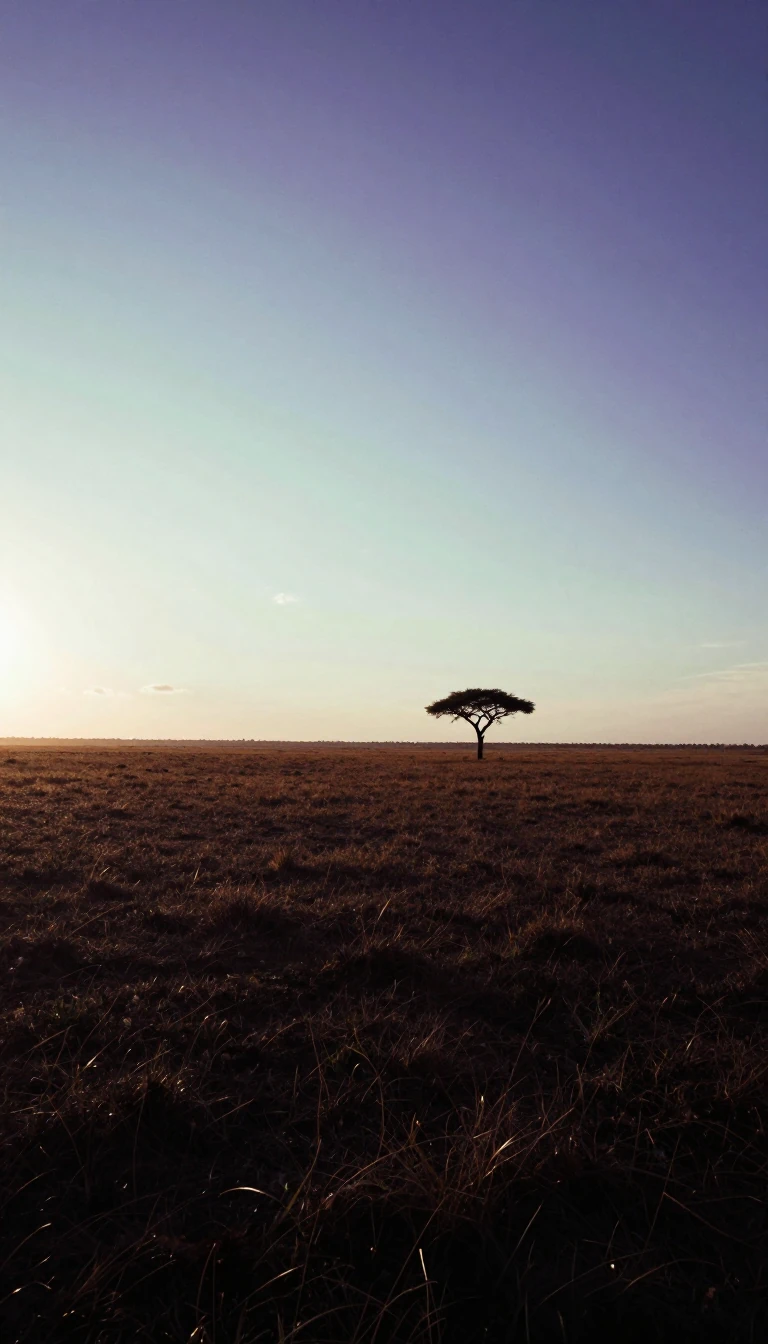
In short: Eritrea is home to one of the world's oldest state churches, yet its modern religious life is defined by strict government oversight. While Christianity and Islam have coexisted for centuries, the state mandates registration for all faiths, creating a precarious environment for those outside the four officially recognized denominations.
The religious history of Eritrea is deeply rooted in the ancient Kingdom of Aksum, which adopted Christianity in the 4th century under King Ezana. This early conversion established a legacy that persists today, with the Eritrean Orthodox Tewahedo Church remaining a central pillar of national identity. Islam also arrived early, with followers of Muhammad seeking refuge in the region as early as 615 AD. Over subsequent centuries, these two faiths shaped the country's geography: Christianity became dominant in the central and southern highlands, while Islam took root in the coastal and western lowlands.
Despite this long history, current religious demographics are subject to intense debate. Estimates vary wildly, with some sources suggesting a near-even split between Christians and Muslims, while others place the Christian population as high as 63%. These figures are complicated by the government's rigid regulatory framework. Proclamation No. 73/1995 mandates that all religious groups register with the Department of Religious Affairs, a process that requires submitting personal membership data. In practice, only four denominations—the Eritrean Orthodox Tewahedo Church, the Eritrean Catholic Church, the Evangelical Lutheran Church of Eritrea, and Sunni Islam—are recognized.
The state maintains a strict secular policy that prohibits religious groups from engaging in political activities or commenting on national issues. This has led to significant friction, particularly with groups like Jehovah's Witnesses, who have faced systemic exclusion and imprisonment since 1994 due to their refusal to participate in national service or recognize the temporal government. As of April 2026, dozens of Jehovah's Witnesses remain imprisoned without formal charges. This tension highlights the broader challenge of navigating religious freedom within a state that prioritizes national unity and stability above all else.
Opens the Intellect+ feed with this card first. Swipe up for the next one.
Sources
- Summary by Intellect · source: Religion in Eritrea
- Also: Wikidata — religion in Eritrea · CC0
To cite this card, link to https://intellectplus.co.uk/app/places-religion-in-eritrea.
How we source, check and correct cards: Editorial standards.
General information, not professional advice. Spotted an error? Flag the card or see corrections and complaints.
Intellect Plus is a visual educational discovery platform for exploring fascinating facts and ideas. Brain Food, Not Brain Rot. What is Intellect Plus?
Related
More in Countries and other regions · More in Countries & Cities · Latest · A–Z · All topics
