Road markings are more than just paint; they are complex engineering tools for safety.
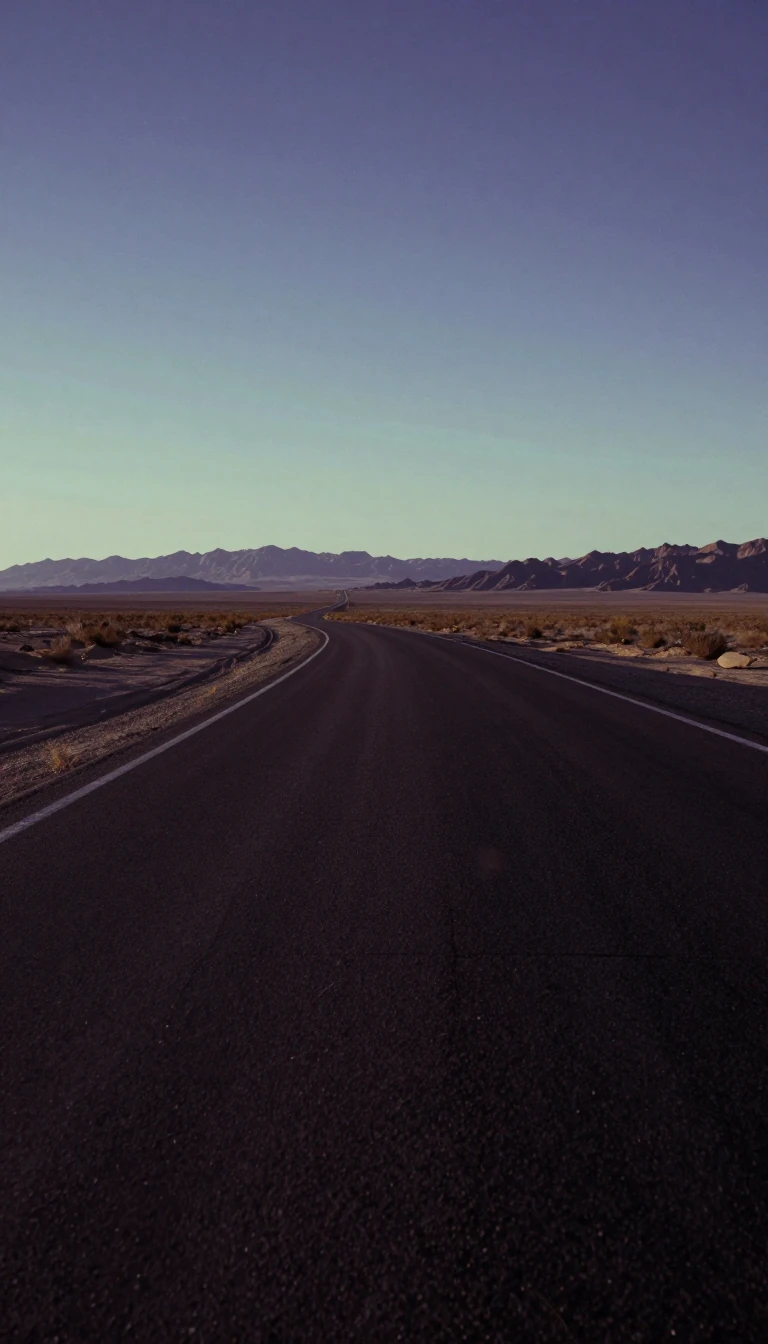
In short: Modern road markings do far more than delineate lanes. From retroreflective glass beads that guide drivers at night to rumble strips that vibrate to prevent accidents, these markings are sophisticated systems. Some even interact with autonomous vehicle sensors, turning the asphalt beneath your wheels into a critical piece of infrastructure.
Road surface markings function as horizontal traffic signs, providing essential navigational and safety information. While paint has been a standard since the early 1950s, modern systems incorporate advanced materials like thermoplastics and epoxy to increase durability and retroreflectivity. These markings are not merely passive; they are engineered to communicate with both human drivers and emerging autonomous vehicle systems, helping machines understand the road environment.
Mechanical devices, such as the iconic cat's eye invented by Percy Shaw in the 1930s, provide physical and visual guidance. Other markers, like Botts' dots, use epoxy to remain fixed to the pavement, though they are often unsuitable for cold climates where snowploughs would remove them. Rumble strips, created by grinding troughs into the asphalt or applying raised thermoplastic, use vibration and sound to alert drivers to hazards or lane departures. These technologies are constantly evolving to improve longevity and reduce installation costs.
The materials used in these systems face significant scrutiny. Glass beads, essential for retroreflectivity, are often made from soda lime glass, but some imported versions have been found to contain heavy metals like arsenic, antimony, and lead. Furthermore, these markings can paradoxically damage the roads they serve. Research suggests that trapped water vapor or differential thermal expansion between marked and unmarked areas may contribute to cracking and surface raveling. As a result, agencies must balance the need for clear, durable guidance with the long-term integrity of the pavement surface.
Opens the Intellect+ feed with this card first. Swipe up for the next one.
Sources
- Summary by Intellect · source: Road surface marking
- Also: Wikidata — road surface marking · CC0
- Also: www.gov.uk — The Highway Code - Road markings - Guidance - GOV.UK
To cite this card, link to https://intellectplus.co.uk/app/places-road-surface-marking.
How we source, check and correct cards: Editorial standards.
General information, not professional advice. Spotted an error? Flag the card or see corrections and complaints.
Intellect Plus is a visual educational discovery platform for exploring fascinating facts and ideas. Brain Food, Not Brain Rot. What is Intellect Plus?
Related
More in Bodies of water · More in Countries & Cities · Latest · A–Z · All topics
