The Caribbean island shaped by pirates, planters, and the Cayman tide
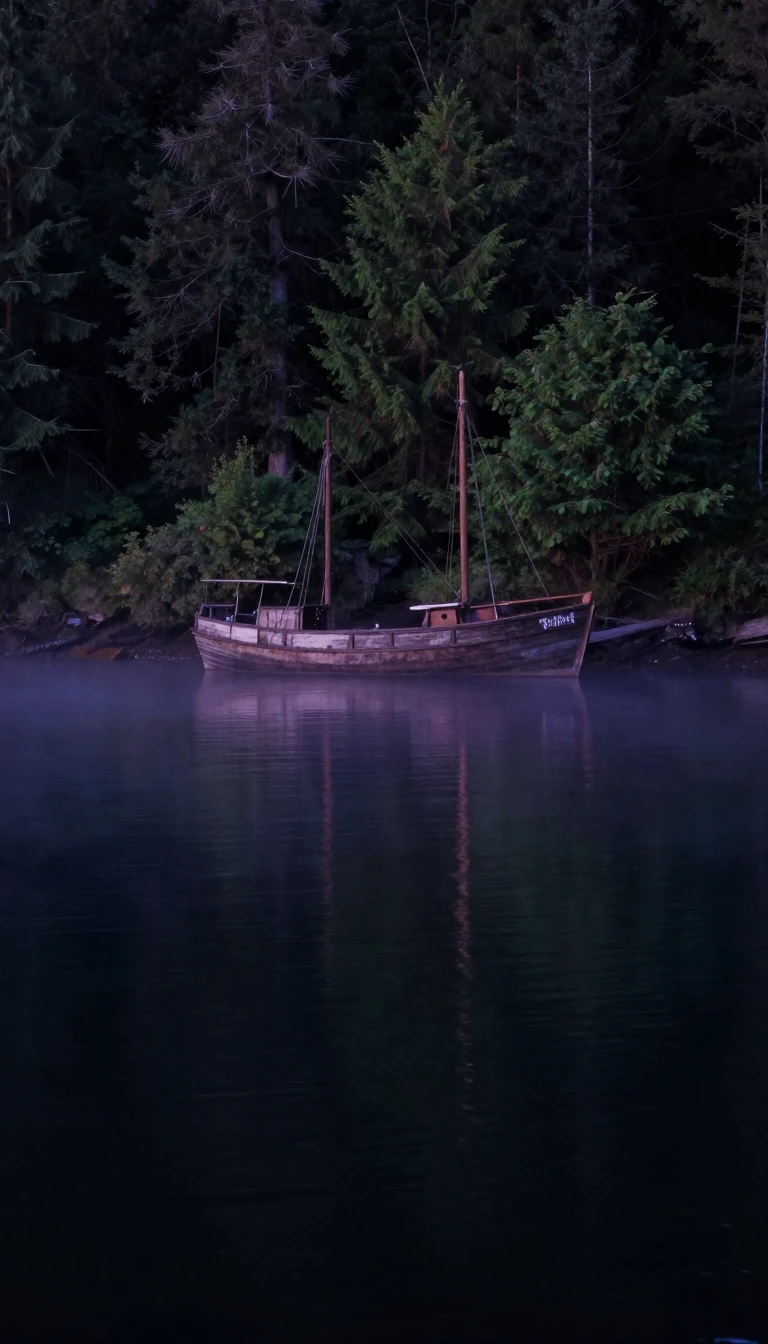
In short: Roatán is far more than a tropical escape. From a 1722 pirate encounter to a 19th-century migration from the Cayman Islands, this Honduran coral island has been a crossroads for buccaneers, British soldiers, and displaced populations, creating a culture distinct from the mainland.
The history of Roatán is a tapestry of colonial friction and migration. During the European colonial era, the island became a strategic prize contested by Britain and Spain. Between 1550 and 1700, the English occupied the Bay Islands intermittently, often using the territory as a haven for pirates. These buccaneers, including the Dutch, French, and English, utilized the island's natural harbors to raid Spanish treasure ships laden with gold and silver. Even in 1722, the island's role as a rendezvous point was documented when the fisherman Philip Ashton escaped the pirate Edward Low after being captured.
The island's modern demographic identity was forged by significant shifts in the 19th century. Following the 1833 Slavery Abolition Act, economic disruptions in the Cayman Islands prompted a large-scale migration to Roatán during the 1830s. These settlers, along with former slaves, became the island's largest cultural group. This English-speaking lineage, often referred to as 'Islanders' or 'caracoles', maintains a culture and language distinct from the Spanish-speaking mainland, a division rooted in long-standing historical rivalries.
Today, the island faces a delicate balance between economic prosperity and environmental preservation. While the 21st-century tourism boom—driven by the diving industry and the Mesoamerican Barrier Reef—has brought immense wealth, it has also introduced significant strain. Issues such as deforestation, pollution, and waste management threaten the very coral reefs that sustain the economy. In response, community-led initiatives like the Roatán Marine Park, established in 2005, work to protect the marine ecosystem through patrols, education, and even legislative bans on single-use plastics.
Opens the Intellect+ feed with this card first. Swipe up for the next one.
Sources
To cite this card, link to https://intellectplus.co.uk/app/places-roat-n.
How we source, check and correct cards: Editorial standards.
General information, not professional advice. Spotted an error? Flag the card or see corrections and complaints.
Intellect Plus is a visual educational discovery platform for exploring fascinating facts and ideas. Brain Food, Not Brain Rot. What is Intellect Plus?
Related
More in Countries and other regions · More in Countries & Cities · Latest · A–Z · All topics
