Africa's largest rainforest reserve remains a mysterious, river-bound sanctuary for rare wildlife
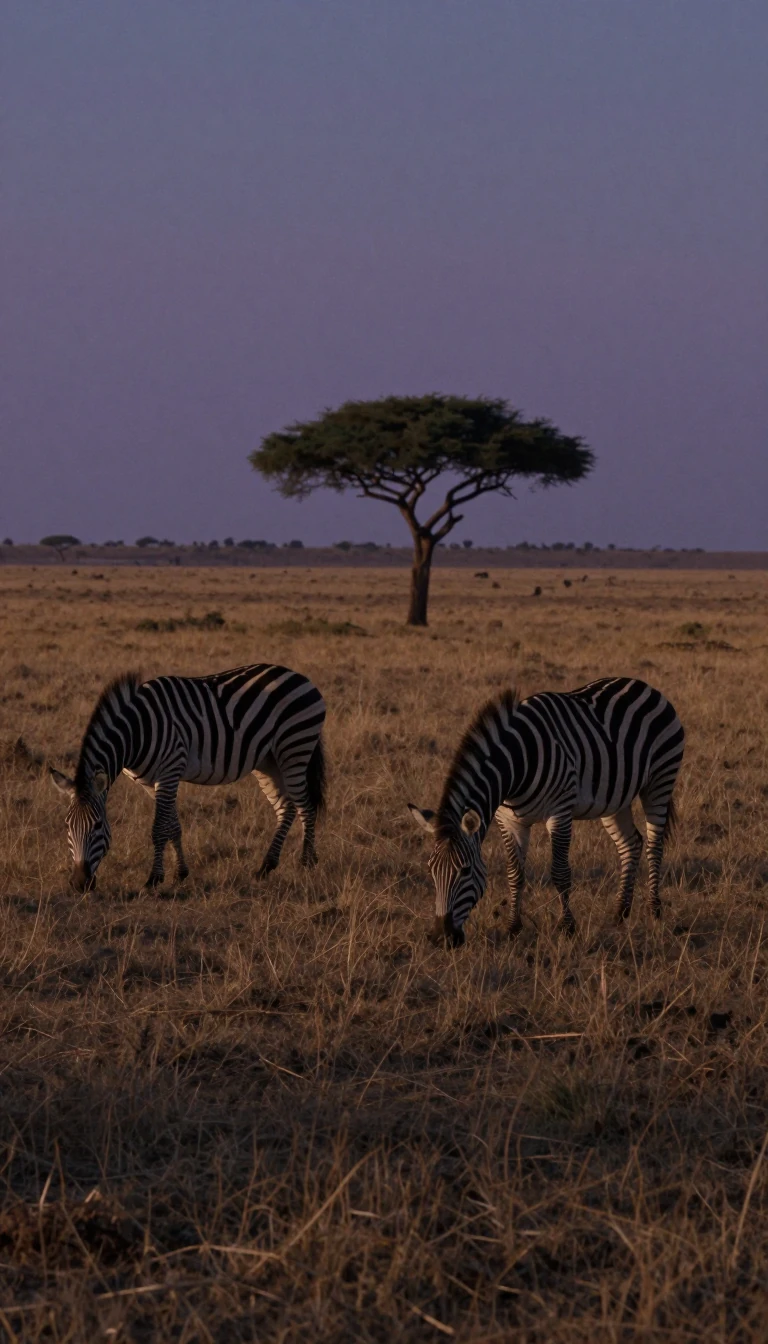
In short: Deep within the Congo River basin lies Salonga National Park, a sprawling 36,000-square-kilometer wilderness. Largely inaccessible by road, this massive rainforest reserve serves as a vital stronghold for endangered species like bonobos and forest elephants, protected by a unique collaboration between conservationists and the local Iyaelima people.
Established in 1956 as Tshuapa National Park and later defined by a 1970 presidential decree, Salonga National Park protects the largest tropical rainforest in Africa. It is the second-largest such reserve globally, spanning four provinces in the Democratic Republic of the Congo. Because the terrain is almost entirely devoid of roads, the park remains a remote frontier; large sections of its dense canopy have never been systematically explored by researchers.
The park's ecological significance earned it a place on the UNESCO World Heritage List in 1984. However, the region's stability has been fragile. Civil conflict in the eastern part of the country led to its inclusion on the List of World Heritage in Danger in 1999, citing threats from poaching and human encroachment. Following significant conservation improvements, the site was successfully removed from the endangered list in 2021.
Management of the park has been a joint effort between the national conservation agency and the World Wide Fund for Nature since 2015. This partnership relies on deep local cooperation, particularly with the Iyaelima people. Living within the park boundaries, the Iyaelima act as essential partners, with their villages functioning as guard posts. This relationship is critical for the survival of the bonobo; research indicates that these primates thrive in higher densities near Iyaelima settlements, suggesting that the local community plays a direct, positive role in their protection.
The park's biodiversity is immense, ranging from 735 identified plant species in the southwest to a wide array of mammals, including leopards, hippopotamuses, and various pangolins. It also serves as a sanctuary for the Congo peafowl, the national bird of the country. With 56 fish species and numerous primates, the park remains a complex, evolving ecosystem where the majority of flora relies on animals for seed dispersal, illustrating the intricate web of life within this protected basin.
Opens the Intellect+ feed with this card first. Swipe up for the next one.
Sources
- Summary by Intellect · source: Salonga National Park
- Also: Wikidata — Salonga National Park · CC0
To cite this card, link to https://intellectplus.co.uk/app/places-salonga-national-park.
How we source, check and correct cards: Editorial standards.
General information, not professional advice. Spotted an error? Flag the card or see corrections and complaints.
Intellect Plus is a visual educational discovery platform for exploring fascinating facts and ideas. Brain Food, Not Brain Rot. What is Intellect Plus?
Related
More in World Heritage Sites · More in Countries & Cities · Latest · A–Z · All topics
