Why this medieval Italian hill town once built seventy-two skyscrapers to settle family feuds.
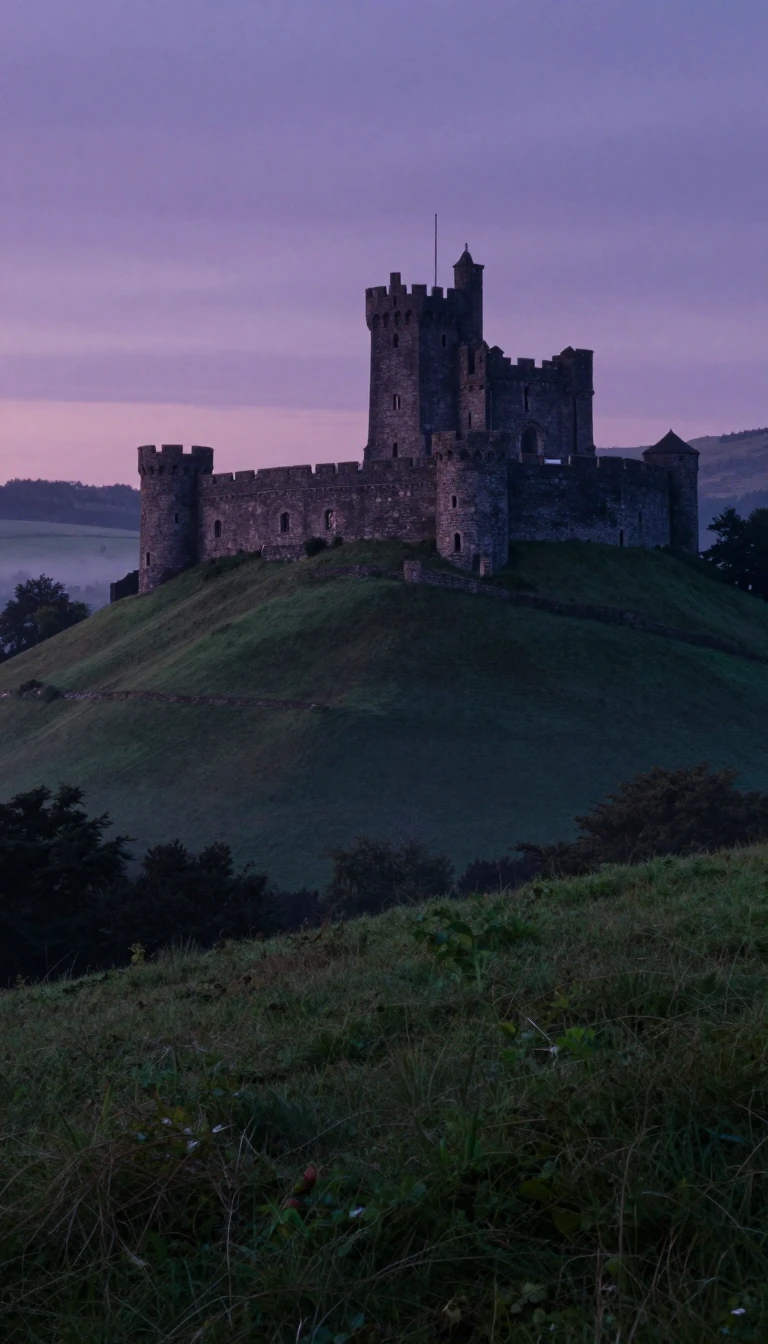
In short: San Gimignano is famous for its iconic skyline, but its signature towers were not built for beauty. During the Middle Ages, rival families engaged in a competitive architectural arms race, constructing increasingly taller stone houses to demonstrate their status. Today, this UNESCO site remains a perfectly preserved window into history.
Perched on a ridge in Tuscany, San Gimignano began as a small Etruscan village before evolving into a strategic medieval hub. By the 12th century, the town had declared independence from the bishops of Volterra, establishing a podestà to govern its affairs. This newfound autonomy coincided with a period of immense prosperity fueled by the trade of saffron and the production of Vernaccia wine, which was famously said to inspire popes and poets alike.
The town’s most striking feature—its dense cluster of tower houses—emerged from the volatile environment of the Middle Ages. As conflict between the Guelphs and Ghibellines intensified, local families engaged in bitter rivalries. To assert dominance, they constructed soaring stone towers, eventually reaching 72 in number, with some rising up to 70 metres. This vertical competition only ceased when the local council mandated that no private structure could exceed the height of the Palazzo Comunale.
The town’s golden age was abruptly halted in 1348 by the Black Death, which claimed roughly half the population and forced the town to submit to Florentine rule. This decline, however, proved to be its salvation; with little subsequent development, San Gimignano remained frozen in its medieval state. Today, it stands as a rare, intact example of Romanesque and Gothic urban planning, featuring well-preserved frescoes, ancient walls, and a layout that has changed little since the 14th century.
Beyond its architecture, the town has left a deep mark on the cultural imagination. It has served as a backdrop for countless films and literature, from E. M. Forster’s novels to modern video games like Assassin's Creed II. While the towers were once symbols of dangerous vanity, they now serve as a testament to the enduring legacy of medieval Italian civic life.
Opens the Intellect+ feed with this card first. Swipe up for the next one.
Sources
- Summary by Intellect · source: San Gimignano
- Also: Wikidata — San Gimignano · CC0
- Also: Wikidata — San Gimignano · CC0
To cite this card, link to https://intellectplus.co.uk/app/places-san-gimignano.
How we source, check and correct cards: Editorial standards.
General information, not professional advice. Spotted an error? Flag the card or see corrections and complaints.
Intellect Plus is a visual educational discovery platform for exploring fascinating facts and ideas. Brain Food, Not Brain Rot. What is Intellect Plus?
Related
More in World Heritage Sites · More in Countries & Cities · Latest · A–Z · All topics
