Colombia's mysterious necropolis holds the world's largest collection of ancient megalithic religious sculptures
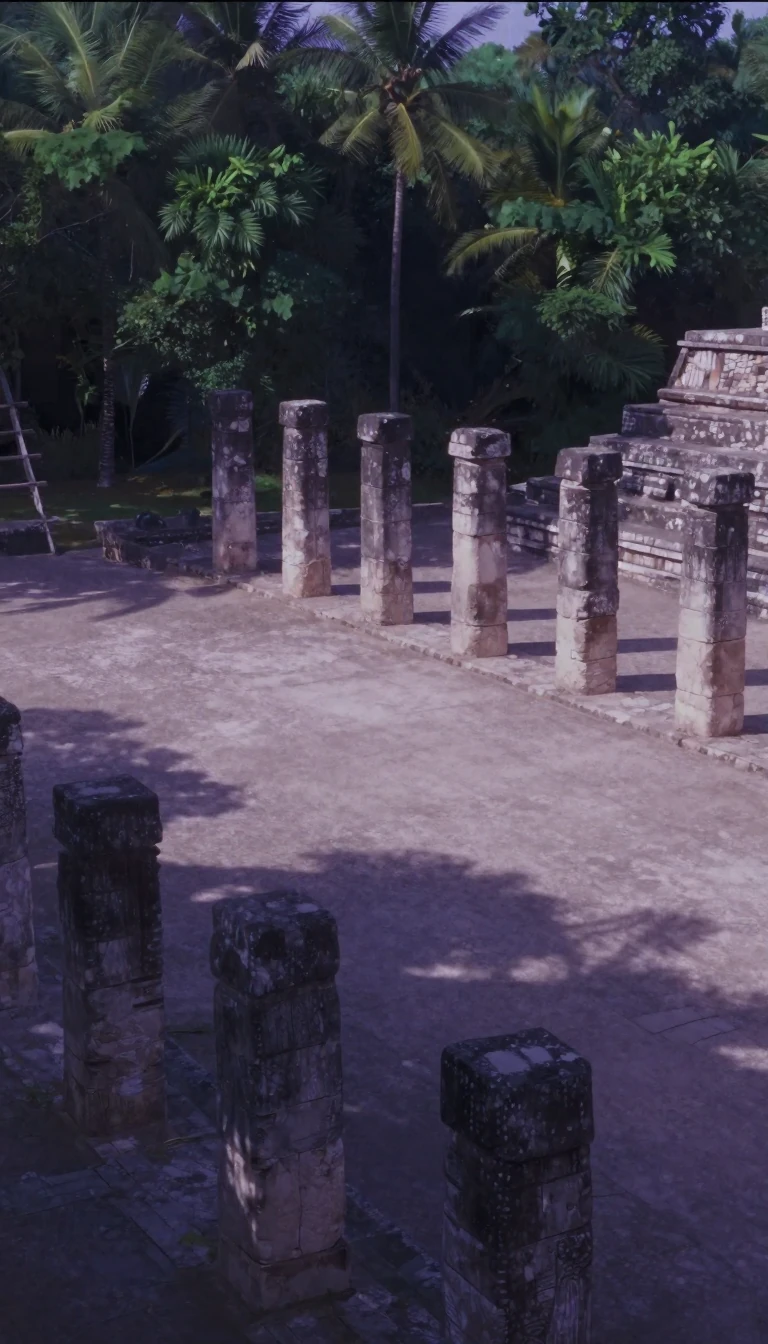
In short: Hidden in the eastern foothills of the Colombian Massif lies a vast, enigmatic necropolis. Spanning over 300 square kilometers, this site contains hundreds of towering, brightly painted statues of unknown origin. These stone guardians, carved between 5 and 400 AD, offer a haunting glimpse into a lost civilization's perception of the afterlife.
Located in the upper basin of the Magdalena River, the San Agustín Archaeological Park is a UNESCO World Heritage Site that serves as the centerpiece of a massive, largely unexcavated cultural landscape. While the park itself houses a dense concentration of graves, the broader region contains over 600 statues scattered across plateaus. These monuments, which feature both anthropomorphic and zoomorphic designs—including jaguars, crocodiles, and bats—were originally decorated in vibrant red, yellow, black, and white pigments, though most of this color has faded over the centuries.
The purpose of these figures remains a subject of study, though researchers generally categorize them as funeral statuary. Some statues appear to act as sentinels, with figures of snakes, birds, and frogs positioned near burial mounds to provide protection for the deceased. Others represent deities, including male solar gods and female lunar gods. The tallest of these monoliths reaches 7 meters in height, found at the Heights of the Idols site near the town of Isnos. Despite their prominence, the specific identity of the people who carved them remains a mystery.
The site first gained wider attention in 1756, when the Spanish monk Fray Juan de Santa Gertrudis documented the statues in his work, Maravillas de la naturaleza. Centuries later, in 1913, the German ethnologist Konrad Theodor Preuss conducted excavations and removed 21 sculptures, transporting them to Berlin. These artifacts eventually became part of the Ethnological Museum's collection. In 2022, the Colombian government initiated a formal request for the return of these statues from the Humboldt Forum, highlighting the ongoing tension between historical preservation and the repatriation of cultural heritage.
The park's significance lies not only in its scale but in the limited insight it provides into the spiritual life of the San Agustin culture. Because the area remains largely unexcavated, the true extent of this necropolis and the history of its creators continue to elude definitive explanation. For visitors and scholars alike, the site remains a profound, silent witness to a civilization that viewed the transition from life to death through the lens of monumental stone art.
Opens the Intellect+ feed with this card first. Swipe up for the next one.
Sources
- Summary by Intellect · source: San Agustín Archaeological Park
To cite this card, link to https://intellectplus.co.uk/app/places-san-agust-n-archaeological-park.
How we source, check and correct cards: Editorial standards.
General information, not professional advice. Spotted an error? Flag the card or see corrections and complaints.
Intellect Plus is a visual educational discovery platform for exploring fascinating facts and ideas. Brain Food, Not Brain Rot. What is Intellect Plus?
Related
More in World Heritage Sites · More in Countries & Cities · Latest · A–Z · All topics
