Why are Korea's most sacred Buddhist temples hidden deep within its rugged mountain ranges?
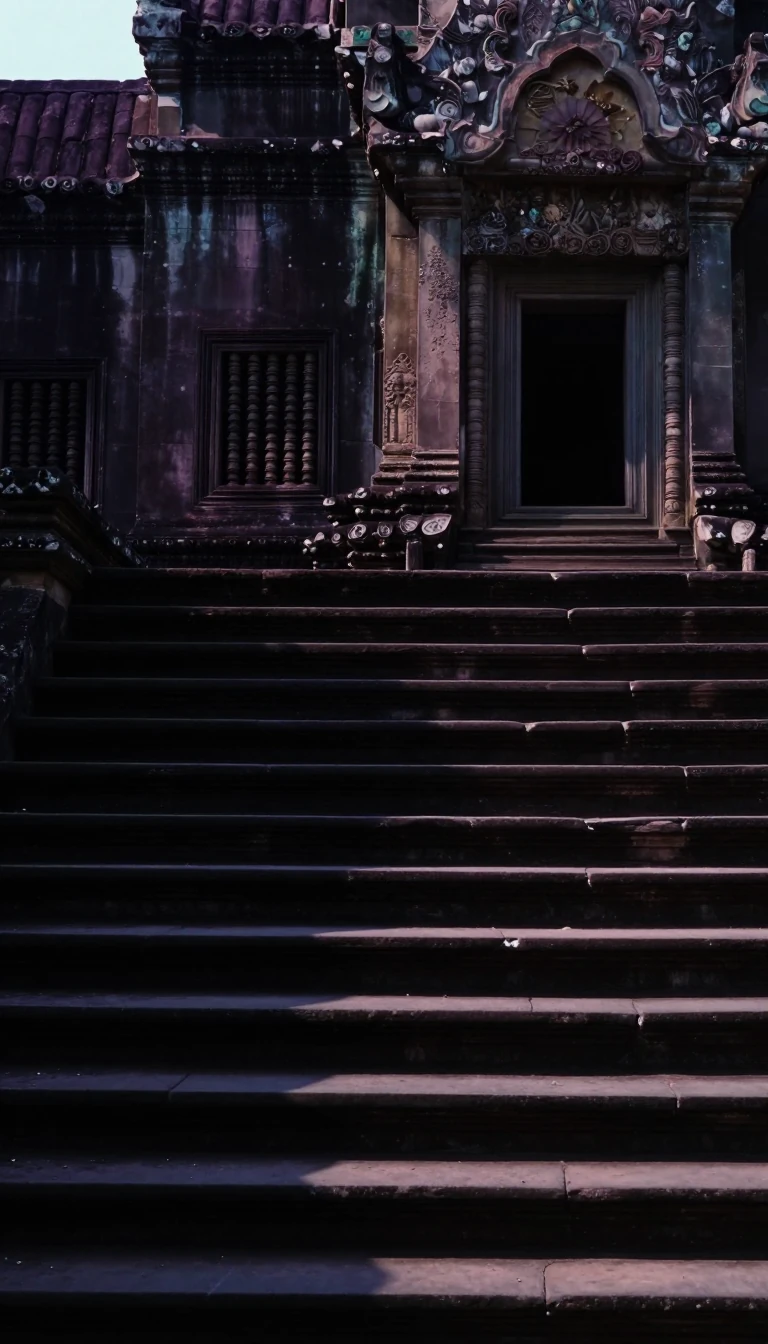
In short: The term sansa refers to the mountain temples scattered across the Korean landscape. While these sites are deeply rooted in history, seven have earned UNESCO World Cultural Heritage status. Their remote locations are not accidental; they reflect a profound intersection of indigenous beliefs, national defense strategies, and the pursuit of spiritual transcendence.
The sansa, or mountain temple, represents a unique architectural and spiritual tradition in Korea. Given that the nation is predominantly mountainous, these sites are ubiquitous, serving as centers for Buddhist practice for centuries. The UNESCO designation of seven specific temples highlights their cultural significance, preserving them as monuments to a long-standing tradition where the built environment exists in deliberate harmony with the natural world.
Philosophically, the placement of these temples is driven by three primary factors. First, the integration of indigenous mountain worship into Buddhist practice led to the naming of prominent peaks after figures like Buddha and Bodhisattva. By constructing temples on these sacred heights, practitioners bridged local animistic traditions with Buddhist theology. This synthesis allowed the religion to take deep root in the Korean consciousness, transforming the landscape itself into a site of veneration.
Beyond spirituality, these temples served practical and political functions. The establishment of sites like Beomeosa in Busan, situated near the coast facing Japan, demonstrates a strategic intent to protect the nation and maintain the integrity of Buddhist law. These mountain strongholds were not merely retreats for monks but active participants in the defense and stability of the state, acting as sentinels against external threats while reinforcing the spiritual authority of the faith.
Finally, the sansa embodies the Buddhist ideal of transcendence. By retreating to the mountains, practitioners sought to distance themselves from the distractions of the secular world. This physical separation was intended to foster a deeper connection with nature, emphasizing harmony as a path to enlightenment. These temples remain essential to understanding how Korean Buddhism evolved, balancing the need for worldly protection with the ultimate goal of guiding the secular world toward a higher state of existence.
Opens the Intellect+ feed with this card first. Swipe up for the next one.
Sources
- Summary by Intellect · source: Sansa (temple)
To cite this card, link to https://intellectplus.co.uk/app/places-sansa-temple.
How we source, check and correct cards: Editorial standards.
General information, not professional advice. Spotted an error? Flag the card or see corrections and complaints.
Intellect Plus is a visual educational discovery platform for exploring fascinating facts and ideas. Brain Food, Not Brain Rot. What is Intellect Plus?
Related
More in World Heritage Sites · More in Countries & Cities · Latest · A–Z · All topics
