Why Japan’s most sacred mountain site is a masterpiece of architecture and ancient forestry
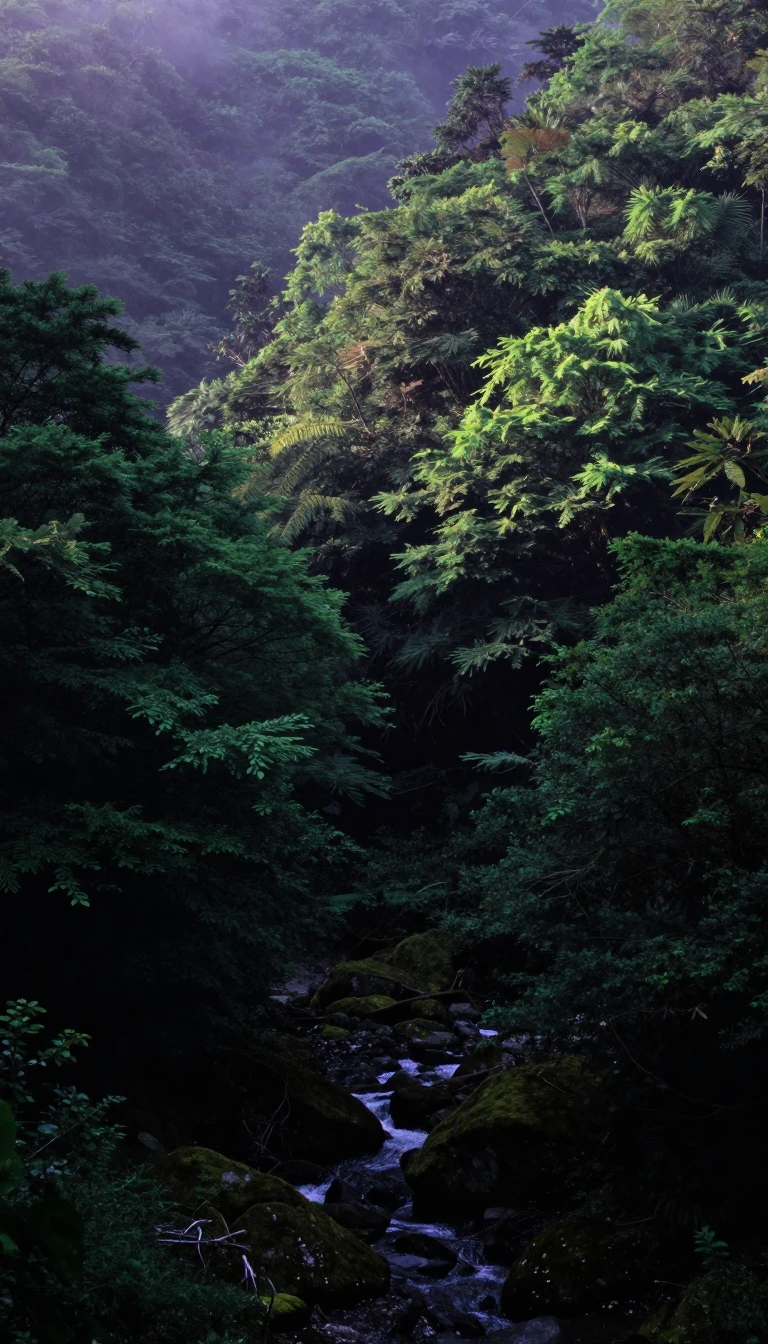
In short: Nestled in the Tochigi Prefecture, the Shrines and Temples of Nikkō represent a profound fusion of religious tradition and natural splendor. This UNESCO World Heritage site, designated in 1999, protects over a hundred structures integrated into a landscape of towering cedar trees, illustrating centuries of Japanese spiritual and architectural evolution.
The site consists of 103 distinct structures spread across a mountainous, forested terrain. These buildings serve three primary religious institutions: two Shinto shrines, known as Futarasan and Tōshō-gū, and the Buddhist temple complex of Rinnō-ji. The architectural significance of these sites is formally recognized by the Japanese government, with nine structures holding the prestigious status of National Treasures, while the remaining 94 are classified as Important Cultural Properties.
The distribution of these designations varies by location. The Futarasan Shrine contributes 23 structures to the site, all of which are Important Cultural Properties. The Tōshō-gū shrine is more heavily represented among the highest honors, with eight of its 42 buildings listed as National Treasures and 34 as Important Cultural Properties. Meanwhile, the Rinnō-ji temple complex includes 38 buildings, featuring a singular National Treasure that encompasses the Honden, Ainoma, and Haiden of the Taiyuin Mausoleum, alongside 37 Important Cultural Properties.
Beyond the man-made structures, the environment itself is a deliberate creation. The dense cedar forest that blankets the mountain slopes was planted during the early 17th century to coincide with the development of Tōshō-gū. This intentional landscaping transformed the natural topography into a cohesive cultural site. Today, the core area is protected as a Historic Site, while the surrounding environment remains preserved under the broader umbrella of Nikkō National Park, ensuring that the interplay between the architecture and the ancient forest remains intact for future generations.
This site is not merely a collection of buildings but a testament to the historical integration of Shinto and Buddhist practices within the Japanese landscape. By preserving both the physical structures and the surrounding ecological context, the designation acknowledges that the spiritual significance of Nikkō is inseparable from the mountain environment that has sheltered these shrines and temples for hundreds of years.
Opens the Intellect+ feed with this card first. Swipe up for the next one.
Sources
- Summary by Intellect · source: Shrines and Temples of Nikkō
- Also: Wikidata — Shrines and Temples of Nikkō · CC0
To cite this card, link to https://intellectplus.co.uk/app/places-shrines-and-temples-of-nikk.
How we source, check and correct cards: Editorial standards.
General information, not professional advice. Spotted an error? Flag the card or see corrections and complaints.
Intellect Plus is a visual educational discovery platform for exploring fascinating facts and ideas. Brain Food, Not Brain Rot. What is Intellect Plus?
Related
More in World Heritage Sites · More in Countries & Cities · Latest · A–Z · All topics
