A dormant giant in Guatemala awoke in 1902, permanently altering its own landscape.
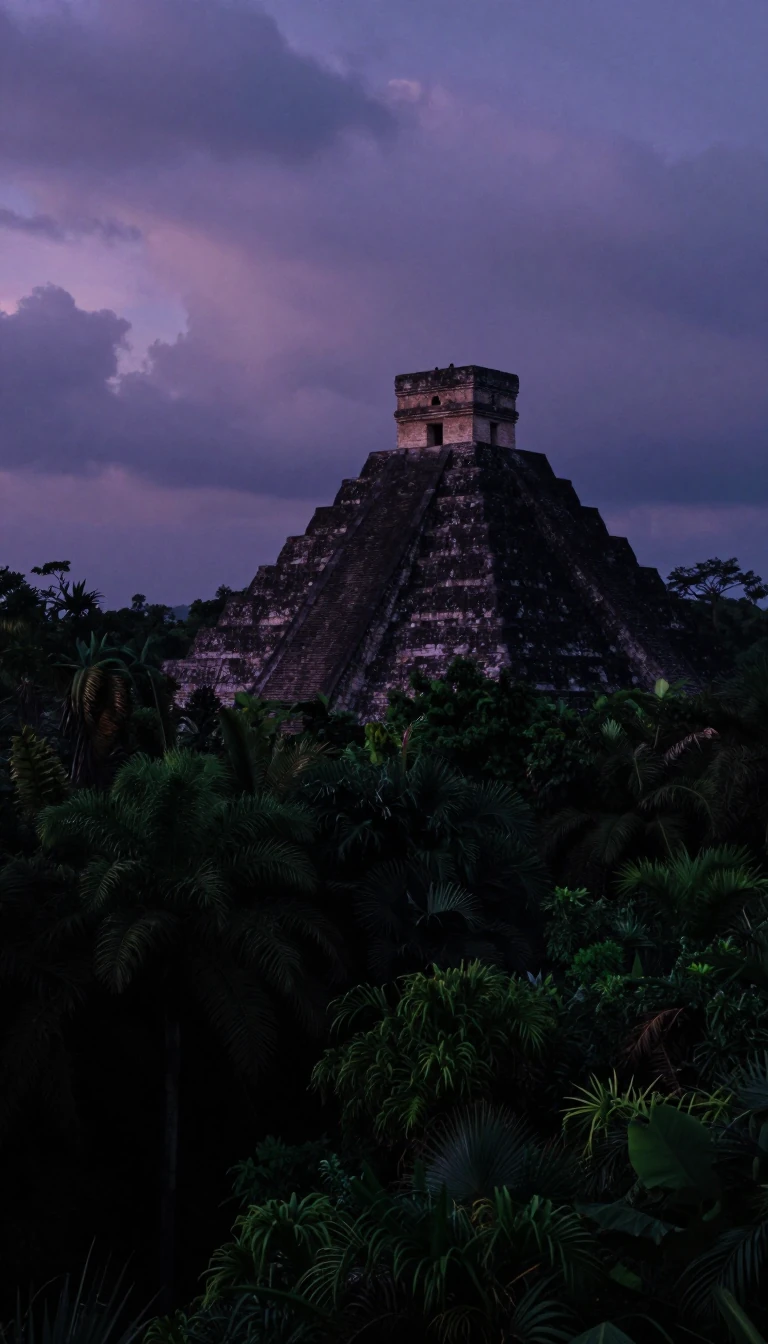
In short: After centuries of silence, Santa María erupted in a catastrophic 1902 event that carved a massive crater into its flank. This explosion, one of the largest of the 20th century, birthed the Santiaguito lava-dome complex, which has been continuously active for over a century, reshaping the mountain through relentless volcanic activity.
Before its 1902 awakening, Santa María had been dormant for at least 500 years. The eruption, which reached a Volcanic Explosivity Index of 6, devastated the surrounding region of southwestern Guatemala. It ejected an estimated 8 cubic kilometers of magma, leaving behind a crater 1.5 kilometers wide that stretched from the summit down the southwest flank. The immediate aftermath was marked by total darkness for 53 hours across a vast area, while ash fell as far away as San Francisco, 4,000 kilometers distant.
In 1922, the Santiaguito lava-dome complex began forming within this 1902 crater. This complex consists of four main domes, with Caliente serving as the currently active vent. Since its inception, Santiaguito has been characterized by episodic growth, frequent explosions, and the effusion of blocky lava. The activity is persistent; recent reports from 2023 describe daily explosions, gas-and-ash plumes, and incandescent block avalanches that frequently descend the volcano's flanks, sometimes generating pyroclastic flows.
The volcano remains a significant hazard. Beyond the immediate danger of dome collapses—such as the 1929 event that resulted in approximately 5,000 deaths—the mountain poses a secondary threat through the accumulation of volcanic debris. This material can wash into rivers south of the complex, triggering catastrophic flooding and mudflows. Today, the city of Quetzaltenango, home to tens of thousands, sits below the 3,772-meter summit, keeping the region under constant observation by agencies like INSIVUMEH.
Opens the Intellect+ feed with this card first. Swipe up for the next one.
Sources
- Summary by Intellect · source: Global Volcanism Program | Santa María
- Also: Santa Maria Volcano, Guatemala - NASA Science
- Also: Santa María (volcano)
To cite this card, link to https://intellectplus.co.uk/app/places-santa-mar-a-volcano.
How we source, check and correct cards: Editorial standards.
General information, not professional advice. Spotted an error? Flag the card or see corrections and complaints.
Intellect Plus is a visual educational discovery platform for exploring fascinating facts and ideas. Brain Food, Not Brain Rot. What is Intellect Plus?
Related
More in Mountain peaks and volcanos · More in Countries & Cities · Latest · A–Z · All topics
