Why deep-sea divers live in pressurized chambers for weeks at a time
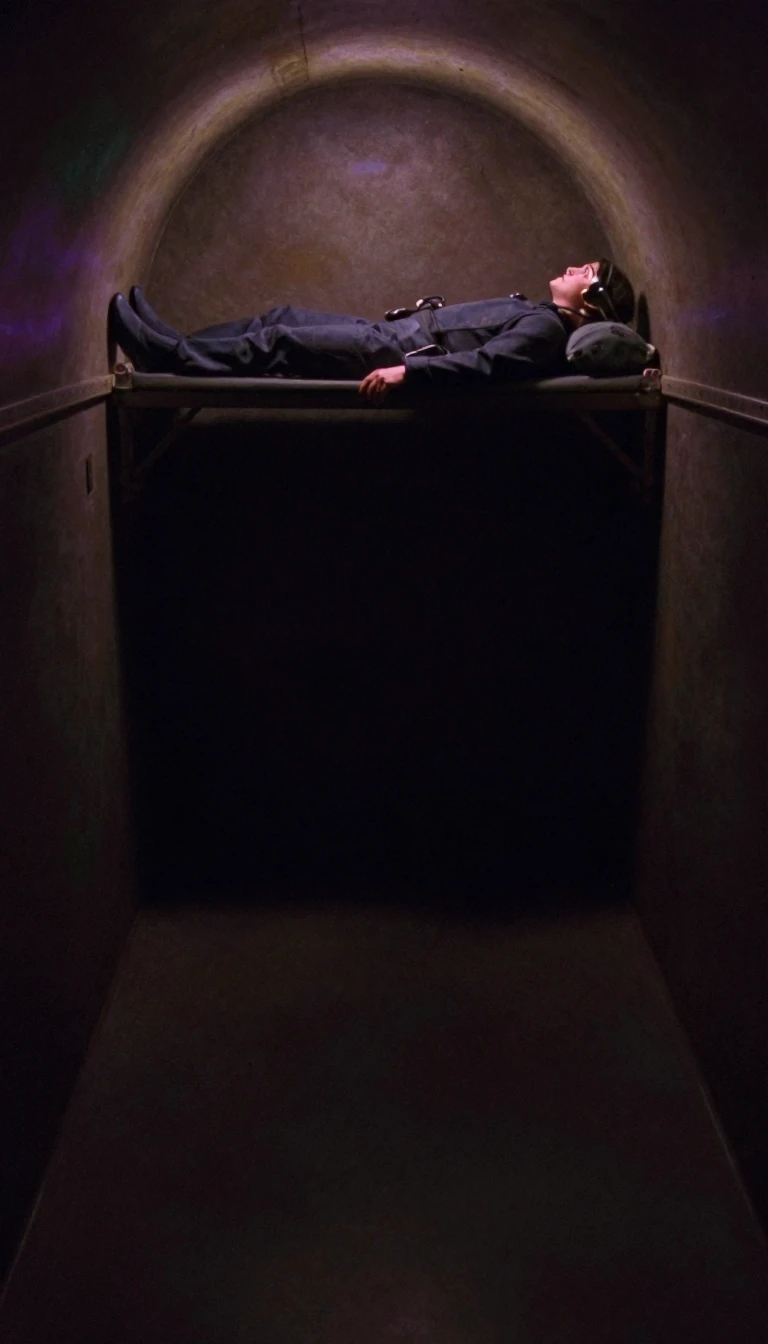
In short: Saturation diving allows professionals to work at extreme depths for extended periods by keeping their bodies under constant pressure. By saturating tissues with inert gas, divers avoid the need for repetitive decompression after every shift, making complex underwater construction and repair tasks significantly more efficient and safer than traditional methods.
The core principle of saturation diving relies on a physiological threshold: once a diver's tissues are fully saturated with inert gas at a specific pressure, the time required for decompression remains constant regardless of how much longer they stay at that depth. Developed during the 1960s by the U.S. Navy and commercial firms, this technique transformed deep-sea operations. Instead of surfacing and decompressing after every dive, professionals live in pressurized hyperbaric chambers or underwater habitats for days or weeks, only undergoing a single, lengthy decompression process once their entire mission is complete.
This method is essential for high-stakes industries like oil and gas, where divers perform critical maintenance on pipelines, platforms, and subsea infrastructure. Because they remain at ambient pressure, they can transition between their living quarters and the worksite via specialized diving bells without experiencing the dangerous pressure fluctuations that cause decompression sickness. This constant state of compression allows for greater precision and efficiency, though it demands rigorous safety protocols to manage risks like nitrogen narcosis, equipment failure, and intense physical or psychological stress.
The logistical requirements for these projects are immense, involving support vessels, complex life support systems, and highly trained teams. While the equipment is heavy and the engineering sophisticated, saturation diving remains the most viable way to conduct direct human intervention at extreme depths. The deepest recorded saturation dive reached 701 meters in 1988, a testament to the extreme environments these professionals navigate to maintain the world's underwater infrastructure.
Despite the risks, the field offers lucrative career paths for those who complete specialized training. As subsea technology advances, the ability to sustain human presence at depth continues to be a vital component of global maritime construction, salvage, and repair, proving that even in the most hostile environments, human expertise remains irreplaceable.
Opens the Intellect+ feed with this card first. Swipe up for the next one.
Sources
- Summary by Intellect · source: Understanding Saturation Diving: Training, Safety, and Careers | Commercial Divers International
- Also: Saturation diving
To cite this card, link to https://intellectplus.co.uk/app/places-saturation-diving.
How we source, check and correct cards: Editorial standards.
General information, not professional advice. Spotted an error? Flag the card or see corrections and complaints.
Intellect Plus is a visual educational discovery platform for exploring fascinating facts and ideas. Brain Food, Not Brain Rot. What is Intellect Plus?
Related
More in Basics · More in Countries & Cities · Latest · A–Z · All topics
