The Burnt City: A Bronze Age Metropolis Hidden in the Iranian Desert
In short: Shahr-e Sukhteh was once a sprawling urban center, thriving long before the rise of better-known civilizations. From the world's oldest animation to sophisticated brain surgery and artificial eyes, this site challenges our understanding of ancient history, revealing a society that was far more advanced than we ever imagined.
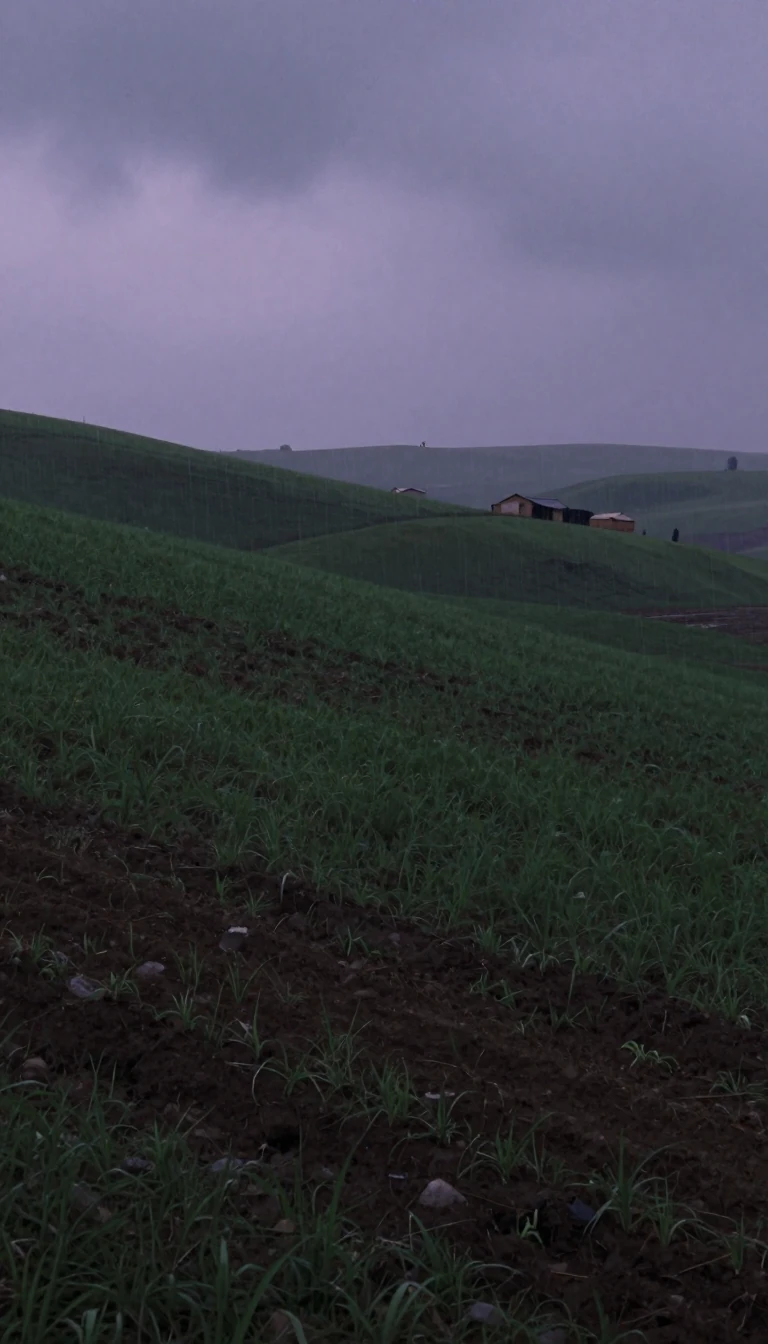
Located in Iran's Sistan and Baluchistan Province, Shahr-e Sukhteh—the Burnt City—emerged around 3550 BC. Spanning 200 hectares at its peak, it stood as one of the largest cities of the early urban era. Its inhabitants occupied a landscape that was once lush with marshland and the expansive Hamun Lake, a stark contrast to the modern, arid environment near the Lut desert.
The city's history is divided into four distinct periods of civilization, marked by cycles of construction, fire, and eventual abandonment around 2300 BC. Excavations have unearthed a treasure trove of artifacts that suggest a highly interconnected society. Residents traded with distant regions, including Turkmenistan, Afghanistan, and the Indus Valley, importing materials like lapis lazuli and reproducing ceramic styles from hundreds of kilometers away.
Beyond its trade networks, the city is famous for its remarkable medical and cultural discoveries. Archaeologists found an artificial eyeball, crafted from bitumen and gold, worn by a woman between 2900 and 2800 BC. Other findings include evidence of early brain surgery, the world's oldest complete board game, and a goblet featuring what some scholars interpret as the earliest known animation. These artifacts, alongside a massive cemetery containing up to 40,000 graves, suggest a complex, stratified society that remains a subject of intense archaeological study.
The site's true significance lies in its potential to rewrite history. Some researchers speculate that Shahr-e Sukhteh represents an independent civilization—the Helmand culture—that flourished alongside, yet distinct from, ancient Mesopotamia. While the precise reasons for its rise and sudden decline remain wrapped in mystery, the ongoing investigation of its residential and monumental sectors continues to provide new insights into the dawn of human urban life.
Opens the Intellect+ feed with this card first. Swipe up for the next one.
Sources
- Summary by Intellect · source: Shahr-e Sukhteh
- Also: Wikidata — Shahr-e Sukhteh · CC0
To cite this card, link to https://intellectplus.co.uk/app/places-shahr-e-sukhteh.
How we source, check and correct cards: Editorial standards.
General information, not professional advice. Spotted an error? Flag the card or see corrections and complaints.
Intellect Plus is a visual educational discovery platform for exploring fascinating facts and ideas. Brain Food, Not Brain Rot. What is Intellect Plus?
Related
More in World Heritage Sites · More in Countries & Cities · Latest · A–Z · All topics
