Why the quiet rubber sole changed how the world walks, runs, and shops.
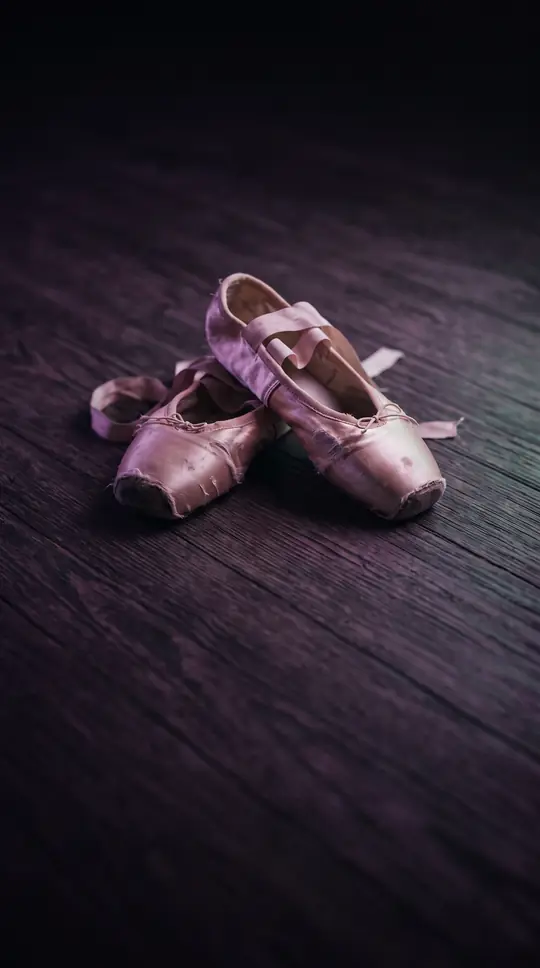
In short: The term sneaker emerged because rubber soles allowed wearers to move silently, unlike the clatter of leather dress shoes. From prison guards to schoolyards, this stealthy footwear evolved from a simple athletic tool into a global fashion phenomenon, defining personal identity while reshaping the environmental footprint of the modern clothing industry.
The evolution of the sneaker began with the plimsoll, a rubber-soled shoe that appeared in the United Kingdom by the 1870s. Initially used for leisure and sports like tennis, these shoes gained traction as manufacturers developed engraved patterns for better grip. By 1895, J.W. Foster and Sons produced the first spiked running shoes, which later carried athletes to victory in the 1924 Summer Olympics. In the United States, the U.S. Rubber Company sparked a domestic surge in 1892, and by 1907, Spalding had designed the first dedicated basketball shoes.
The mid-20th century transformed sneakers from niche athletic gear into everyday staples. As leisure time expanded in the 1950s and school dress codes relaxed, sales of sneakers began to rival conventional leather footwear. This shift intensified in the 1970s, when jogging became a popular exercise, prompting companies to refine technology for specific sports. By the 1990s, marketing budgets ballooned as brands positioned sneakers as essential fashion statements. This era also saw the rise of 'walking shoes,' which combined athletic comfort with the aesthetic of traditional leather, eventually displacing leather shoes in business-casual environments.
Today, the industry faces significant environmental challenges. Global footwear consumption soared from 2.5 billion pairs in 1950 to over 19 billion by 2005. Because contemporary sneakers are crafted from synthetic, non-biodegradable materials, about 90% of them end up in landfills. Each pair generates an average of 14 kg of CO2 emissions during production. While some companies explore sustainable alternatives, the rapid pace of consumer trends continues to shorten the useful life of footwear, creating a mounting waste crisis that contrasts sharply with the industry's technological advancements in performance and style.
Opens the Intellect+ feed with this card first. Swipe up for the next one.
Sources
- Summary by Intellect · source: Sneakers
- Also: Wikidata — Sneakers · CC0
- Also: Wikidata — Sneakers · CC0
To cite this card, link to https://intellectplus.co.uk/app/places-sneakers.
How we source, check and correct cards: Editorial standards.
General information, not professional advice. Spotted an error? Flag the card or see corrections and complaints.
Intellect Plus is a visual educational discovery platform for exploring fascinating facts and ideas. Brain Food, Not Brain Rot. What is Intellect Plus?
Related
More in Countries and other regions · More in Countries & Cities · Latest · A–Z · All topics
