A town built on sticky mud, Solihull hides a history of gunpowder and archery.
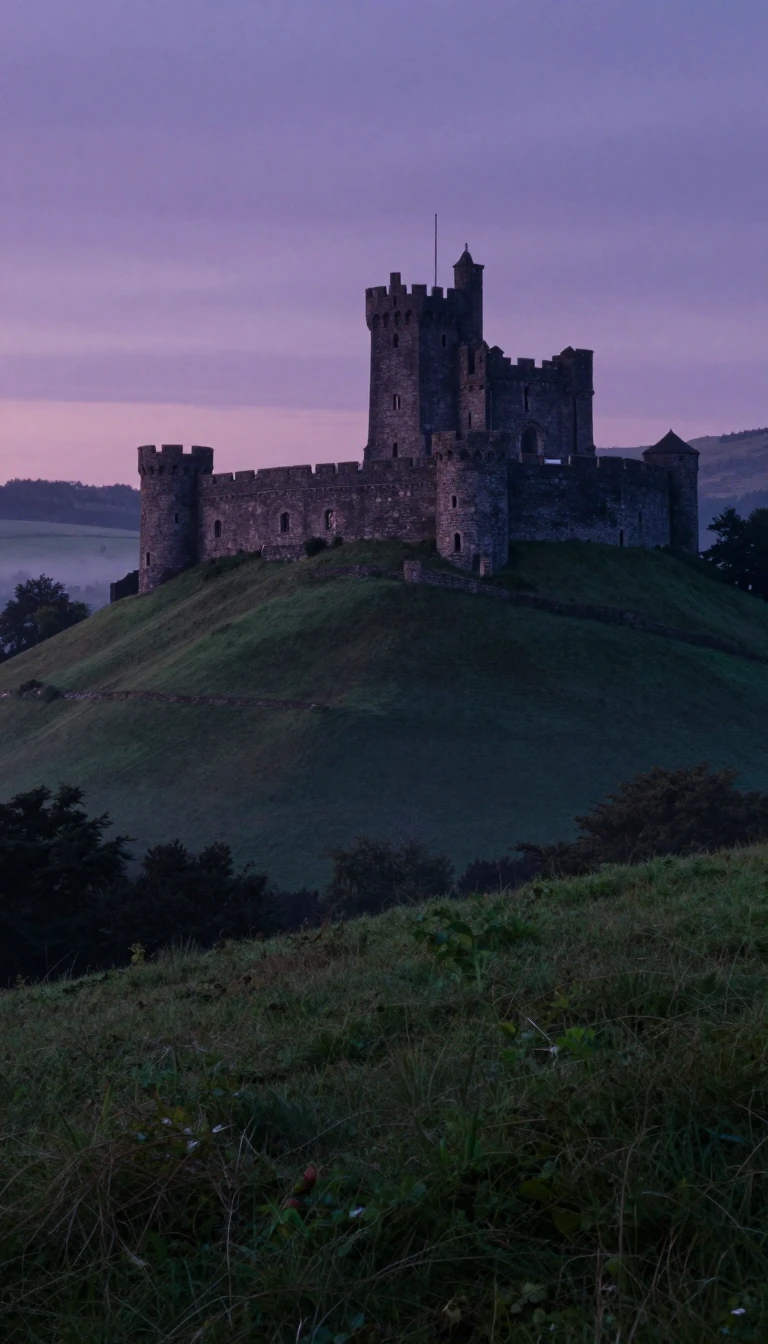
In short: Solihull is a market town in the West Midlands with roots stretching back to the Iron Age. Often associated with the Land Rover, its name likely stems from the muddy, red marl hill where its medieval church stands. Beyond its urban surface, the borough remains deeply connected to the ancient Forest of Arden.
The town's name is widely believed to originate from the location of St Alphege, a parish church built upon a hill of stiff red marl. In wet weather, this soil turned into thick, clinging mud, giving rise to the name Solihull. The area was once part of the ancient Forest of Arden, a dense woodland that defined the landscape for centuries. By the 14th century, the town had become a center for blacksmithing, utilizing the abundant local timber for fuel, and was also known for its textile production.
Solihull’s history is marked by intrigue and royal connections. The manor of Ulverlei, which predates the town, was held by figures including Lady Godiva’s husband, Leofric, and later by the Norman Ralph de Limesy. By the 16th and 17th centuries, local families were deeply entangled in national conspiracies, including the 1605 Gunpowder Plot. The Throckmorton family, who owned the manor at the time, were heavily involved in the plot to destroy Parliament, and their co-conspirators held land throughout the modern borough.
The town maintains a unique relationship with its past through its traditions and architecture. The Woodmen of Arden, a prestigious archery society founded in 1785, continues to practice a sport that was once a mandatory Sunday requirement for local men. Evidence of this medieval necessity remains visible on the doorway of St Alphege, where 14th-century arrow-sharpening marks are still etched into the stone. Today, the town’s motto, which translates to a city situated within the countryside, reflects its enduring identity as a bridge between urban development and the rural character of the surrounding borough.
Opens the Intellect+ feed with this card first. Swipe up for the next one.
Sources
- Summary by Intellect · source: Solihull
- Also: Wikidata — Solihull · CC0
- Also: Wikidata — Solihull · CC0
To cite this card, link to https://intellectplus.co.uk/app/places-solihull.
How we source, check and correct cards: Editorial standards.
General information, not professional advice. Spotted an error? Flag the card or see corrections and complaints.
Intellect Plus is a visual educational discovery platform for exploring fascinating facts and ideas. Brain Food, Not Brain Rot. What is Intellect Plus?
Related
More in UK & Irish cities · More in Countries & Cities · Latest · A–Z · All topics
