Pakistan's sporting landscape is a complex hybrid of colonial-era departments and modern commercial franchises.
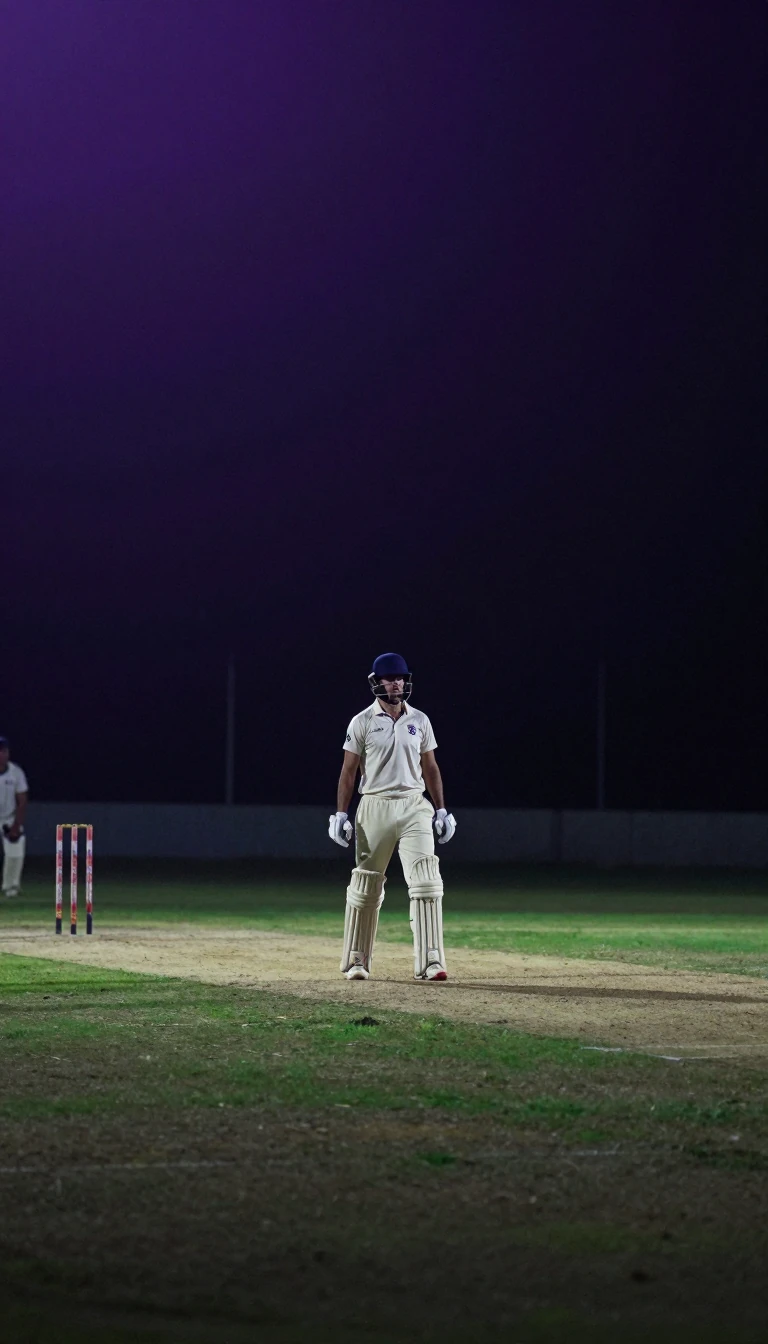
In short: While cricket dominates the national consciousness, Pakistan's athletic history is defined by a unique departmental model where state enterprises employ athletes. This legacy, alongside a recent shift toward franchise-based leagues and a decline in traditional infrastructure, has created an unstable but fascinating sporting environment that continues to evolve today.
Pakistan's sports system has historically diverged from the club-based pyramids common elsewhere. Instead, it developed a distinctive departmental model, inherited from colonial-era works teams. From the 1960s to the 1990s, state-owned enterprises, government ministries, and the armed forces became the primary employers of athletes, providing stable careers through institutions like Pakistan International Airlines and WAPDA. While this system supported cricket, football, and hockey for decades, it has faced criticism for failing to nurture grassroots talent compared to modern, club-based approaches.
Since the 2010s, a fourth model has emerged: the franchise-based league. Competitions like the Pakistan Super League in cricket and the Super Kabaddi League operate on commercial contracts and media rights, representing a significant departure from the older departmental and regional structures. This hybrid landscape, where departments, regional federations, and commercial franchises coexist, has created an unstable environment. Policy shifts frequently reshape the balance between these models, often leaving the system in flux as it attempts to modernize.
The focus on cricket has often overshadowed other disciplines, contributing to a sharp decline in national prowess across various sports. Government patronage and funding are currently at an all-time low, leading to dilapidated infrastructure, obsolete training methods, and outdated equipment. Despite these systemic challenges, Pakistan remains a significant host for international events, including the 2025 Champions Trophy and various Asian championships. The nation also maintains a unique industrial legacy, being recognized as a premier manufacturer of official FIFA World Cup balls, illustrating the deep, often overlooked connection between the country's economy and global sports.
Opens the Intellect+ feed with this card first. Swipe up for the next one.
Sources
- Summary by Intellect · source: Sport in Pakistan
- Also: Wikidata — sport in Pakistan · CC0
To cite this card, link to https://intellectplus.co.uk/app/places-sport-in-pakistan.
How we source, check and correct cards: Editorial standards.
General information, not professional advice. Spotted an error? Flag the card or see corrections and complaints.
Intellect Plus is a visual educational discovery platform for exploring fascinating facts and ideas. Brain Food, Not Brain Rot. What is Intellect Plus?
Related
More in Bodies of water · More in Countries & Cities · Latest · A–Z · All topics
