The Indonesian island that changed the world’s climate with a single volcanic eruption
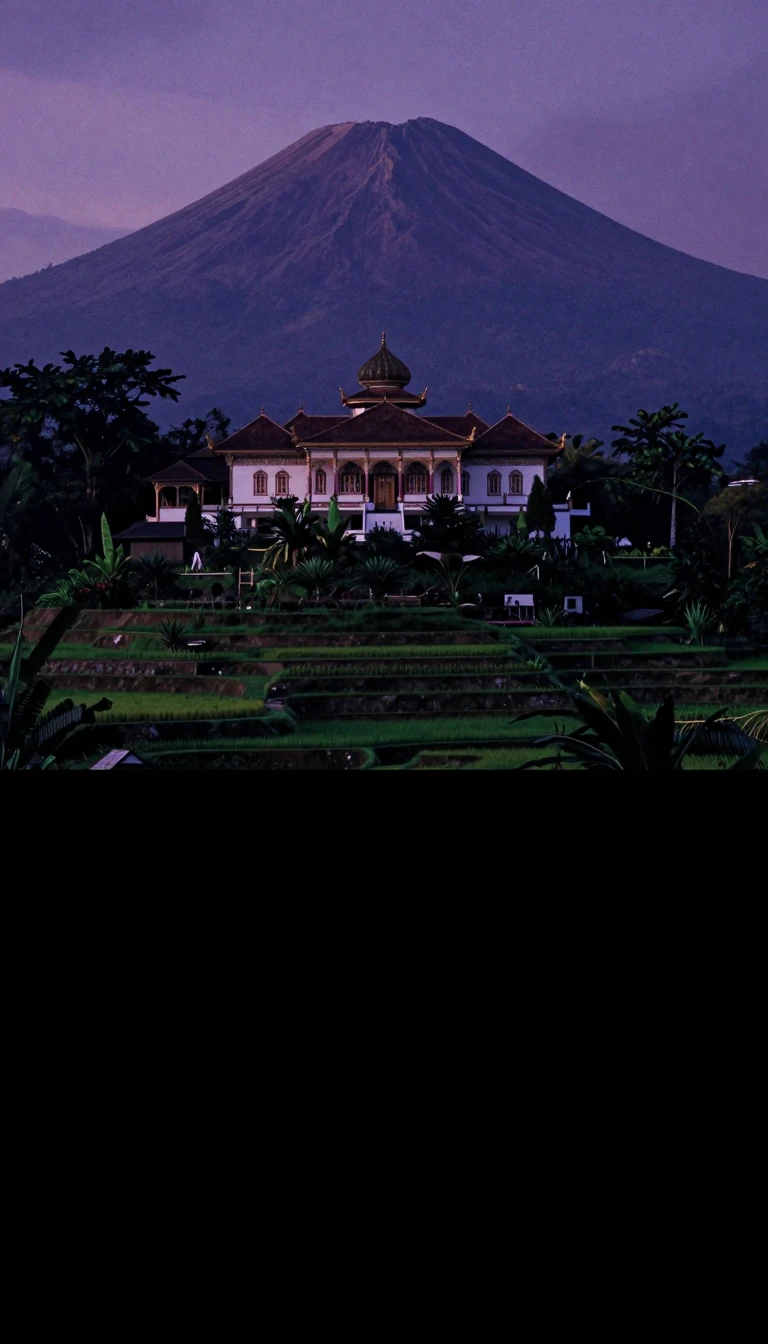
In short: Sumbawa is a vast Indonesian island defined by its stark divide between east and west. While known for its savanna climate, cattle, and gold, its history was irrevocably altered in 1815 by the most powerful volcanic eruption in recorded history, which triggered global cooling and destroyed an entire local culture.
Sumbawa, situated in the Lesser Sunda Islands, is a land of profound contrasts. Spanning 15,448 square kilometers, the island is effectively split into two distinct spheres: the western side, often called Sumbawa by locals, and the eastern side, known as Bima. This division is not merely administrative but deeply rooted in geography, language, and culture. While the western region shares linguistic ties with neighboring Lombok, the eastern Bima region aligns more closely with the cultures of Flores and Sumba. Historically, this divide was even more complex, once separated by the now-extinct Tambora culture, a group with unique linguistic roots that vanished following the catastrophic 1815 eruption of Mount Tambora.
The 1815 eruption remains a defining moment in global history. Ejecting 180 cubic kilometers of debris, the explosion reduced the height of Mount Tambora by about a third and caused the 'Year Without a Summer' in 1816. The disaster claimed up to 71,000 lives and obliterated the Tambora culture entirely. Today, the island’s economy is a mix of traditional agriculture—producing honey, sappanwood, and sandalwood—and large-scale industrial activity. The Batu Hijau mine, which began operations in 2000, has made the Sumbawa Barat Regency one of the wealthiest areas in Indonesia by GDP per capita, though it has faced significant criticism for water pollution.
Despite its natural resources, the island faces persistent challenges, including frequent droughts and limited local employment, driving many residents to seek work overseas. Proposals to elevate the island into its own province have been discussed since 2013, yet these remain stalled by a national moratorium. As the island looks toward the future, with new mining projects like the one near Onto expected to begin in 2030, it remains a place where the echoes of a violent geological past and the pressures of modern economic development constantly intersect.
Opens the Intellect+ feed with this card first. Swipe up for the next one.
Sources
- Summary by Intellect · source: Sumbawa
- Also: Wikidata — Sumbawa · CC0
- Also: Wikidata — Sumbawa · CC0
To cite this card, link to https://intellectplus.co.uk/app/places-sumbawa.
How we source, check and correct cards: Editorial standards.
General information, not professional advice. Spotted an error? Flag the card or see corrections and complaints.
Intellect Plus is a visual educational discovery platform for exploring fascinating facts and ideas. Brain Food, Not Brain Rot. What is Intellect Plus?
Related
More in Islands · More in Countries & Cities · Latest · A–Z · All topics
