Sumba is the last place on Earth where ancient megalithic traditions remain alive today.
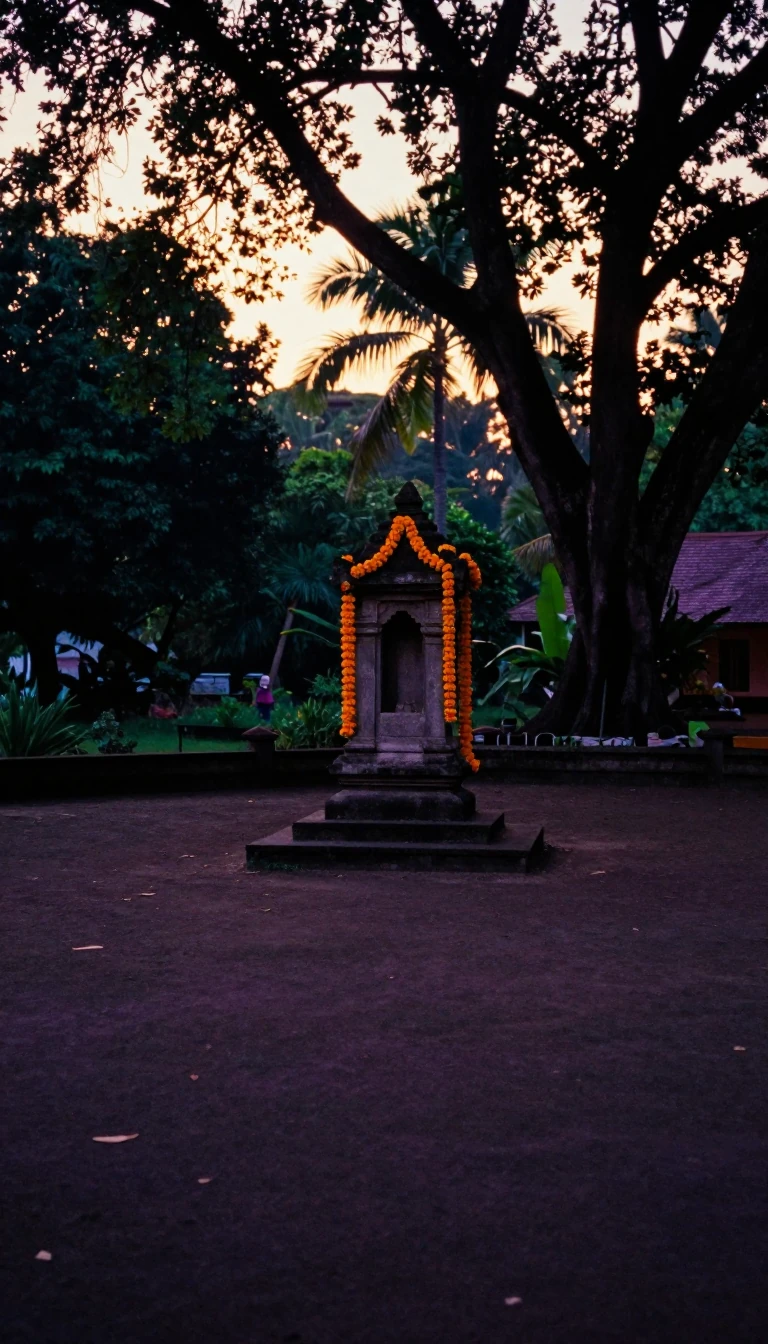
In short: While most of the world views stone monuments as relics of a distant past, the people of Sumba continue to build roughly 100 new megalithic tombs every year. This Indonesian island preserves a living ancient culture, blending complex social hierarchies with unique ecological wonders and a deep, enduring connection to tradition.
Sumba, an island of over 10,000 square kilometres in the Lesser Sunda Archipelago, is a place of striking contrasts. While it is one of the poorer regions in Indonesia, it serves as a rare cultural sanctuary. The island is divided into four regencies, with a population exceeding 850,000 as of mid-2025. Its landscape is defined by limestone hills and a distinct seasonal climate, which has shaped the island's diverse social structures. In the west, societies are segmentary and egalitarian, while the east is home to stratified, caste-based systems led by traditional kings.
The island's most remarkable feature is its 'living ancient tradition' of megalithic construction. Unlike archaeological sites elsewhere, Sumba’s dolmens and stone enclosures are still actively created for collective burials. This practice is deeply tied to the island's history, which includes ancient burial sites dating back to 2,870 BC. These traditions persist alongside modern influences, including the widespread adoption of Christianity, though a small percentage of the population still practices the indigenous Marapu religion, which centers on ancestor worship and animism.
Ecologically, Sumba is a treasure of the Wallacea region, hosting nearly 200 bird species, including the threatened Sumba hornbill and the Sumba boobook owl. However, this biodiversity is under pressure from deforestation and the expansion of agriculture. Conservation efforts, such as the designation of two national parks in 1998, aim to protect these endemic species. Today, the island balances its ancient heritage with modern challenges, from water scarcity and malaria to the rise of eco-tourism, as seen in the global recognition of luxury retreats like NIHI Sumba.
The island's name itself reflects its complex history, derived from the native 'humba' or 'hubba' and solidified during the era of the Majapahit empire. Once known as Sandalwood Island due to its primary historical export, Sumba remains a unique intersection of Austronesian and Melanesian influences, where nine distinct languages are spoken across 24 ethnic groups, ensuring that its cultural tapestry remains as vibrant as its ancient stone monuments.
Opens the Intellect+ feed with this card first. Swipe up for the next one.
Sources
- Summary by Intellect · source: Sumba
- Also: Wikidata — Sumba Island · CC0
- Also: Wikidata — Sumba · CC0
To cite this card, link to https://intellectplus.co.uk/app/places-sumba.
How we source, check and correct cards: Editorial standards.
General information, not professional advice. Spotted an error? Flag the card or see corrections and complaints.
Intellect Plus is a visual educational discovery platform for exploring fascinating facts and ideas. Brain Food, Not Brain Rot. What is Intellect Plus?
Related
More in Islands · More in Countries & Cities · Latest · A–Z · All topics
