How a failed fortress became the crown jewel of Finnish island life
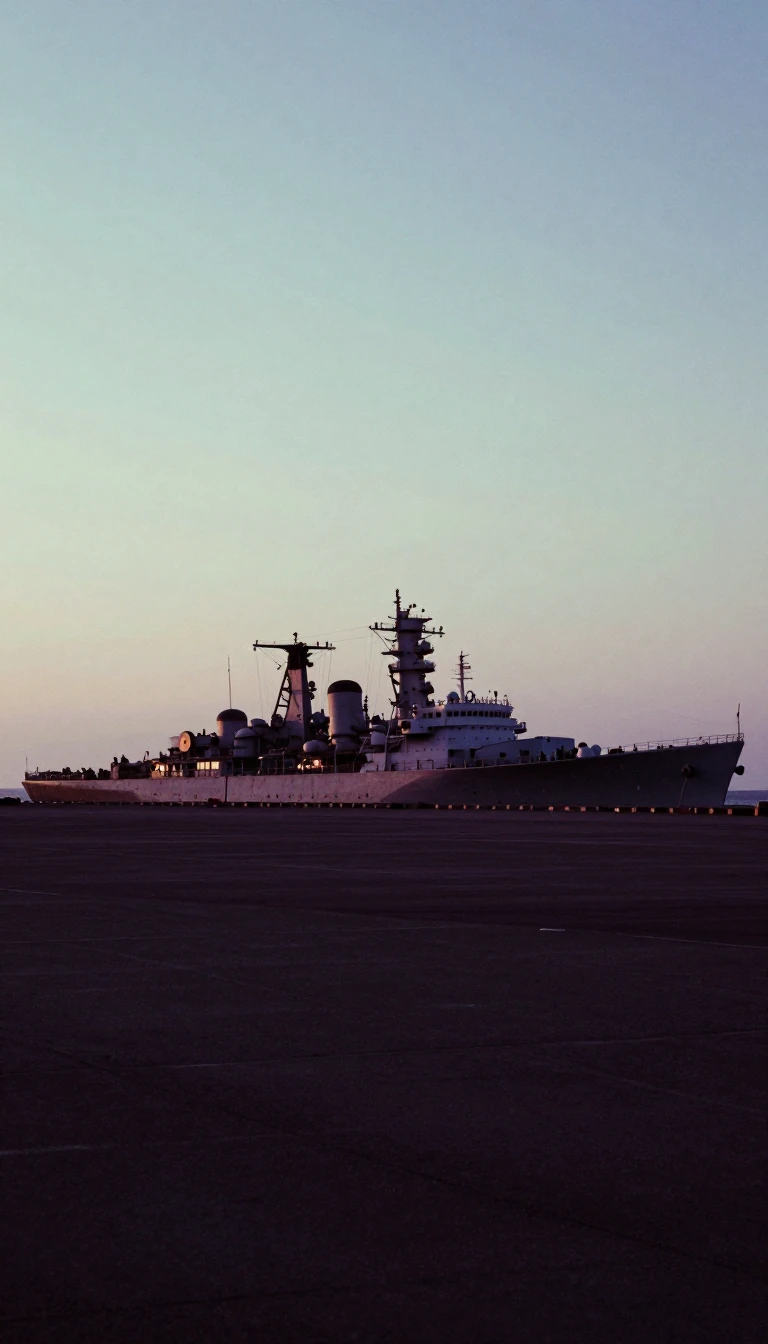
In short: Known as the Gibraltar of the North, this eight-island sea fortress near Helsinki was built by Sweden to stop Russia, only to surrender after just two months. Today, the UNESCO World Heritage site is a vibrant district where history, avant-garde art, and a unique penal colony coexist.
Construction of the fortress, originally named Sveaborg, began in 1748 under the direction of Admiral Augustin Ehrensvärd. Designed as a star fort influenced by the French engineer Vauban, it was intended to serve as a naval base and a bulwark against Russian expansion. By 1755, the project employed 7,000 workers, a massive undertaking for a region with only 2,000 residents at the time. Despite its grand design, the fortress remained incomplete for decades due to shifting political tides and funding shortages.
The fortress's reputation as an impenetrable stronghold was shattered in 1808 during the Finnish War. Commander Carl Olof Cronstedt surrendered the site to Russian forces after a two-month siege, a move that remains historically debated. This loss effectively ended seven centuries of Swedish rule in Finland, leading to the creation of the Grand Duchy of Finland under the Russian Empire. Following the surrender, more than 100 ships changed nationality, and the site became a key component of Russia's defensive strategy for Saint Petersburg.
In the 20th century, the islands transitioned from a military garrison to a civilian district. Following Finland's independence in 1917, the site was renamed Suomenlinna in 1918. Its history is marked by dark chapters, including a prison camp after the Finnish Civil War where over 1,000 inmates died. Today, the site is a popular destination with 900 permanent residents, a unique postal system, and a minimum-security penal labor colony where volunteers help maintain the historic fortifications.
Designated a UNESCO World Heritage Site in 1991, Suomenlinna now balances its military past with modern civilian life. It hosts the Naval Academy, art studios, and a lighthouse beacon integrated into an 1854 church. Whether through its avant-garde arts scene or its role as a picnic spot for locals, the fortress has evolved from a contested borderland into a symbol of Finnish identity.
Opens the Intellect+ feed with this card first. Swipe up for the next one.
Sources
- Summary by Intellect · source: Suomenlinna
- Also: Wikidata — Suomenlinna · CC0
- Also: Wikidata — Suomenlinna · CC0
To cite this card, link to https://intellectplus.co.uk/app/places-suomenlinna.
How we source, check and correct cards: Editorial standards.
General information, not professional advice. Spotted an error? Flag the card or see corrections and complaints.
Intellect Plus is a visual educational discovery platform for exploring fascinating facts and ideas. Brain Food, Not Brain Rot. What is Intellect Plus?
Related
More in World Heritage Sites · More in Countries & Cities · Latest · A–Z · All topics
