Tavira: A Portuguese coastal town built on layers of ancient history and shifting tides
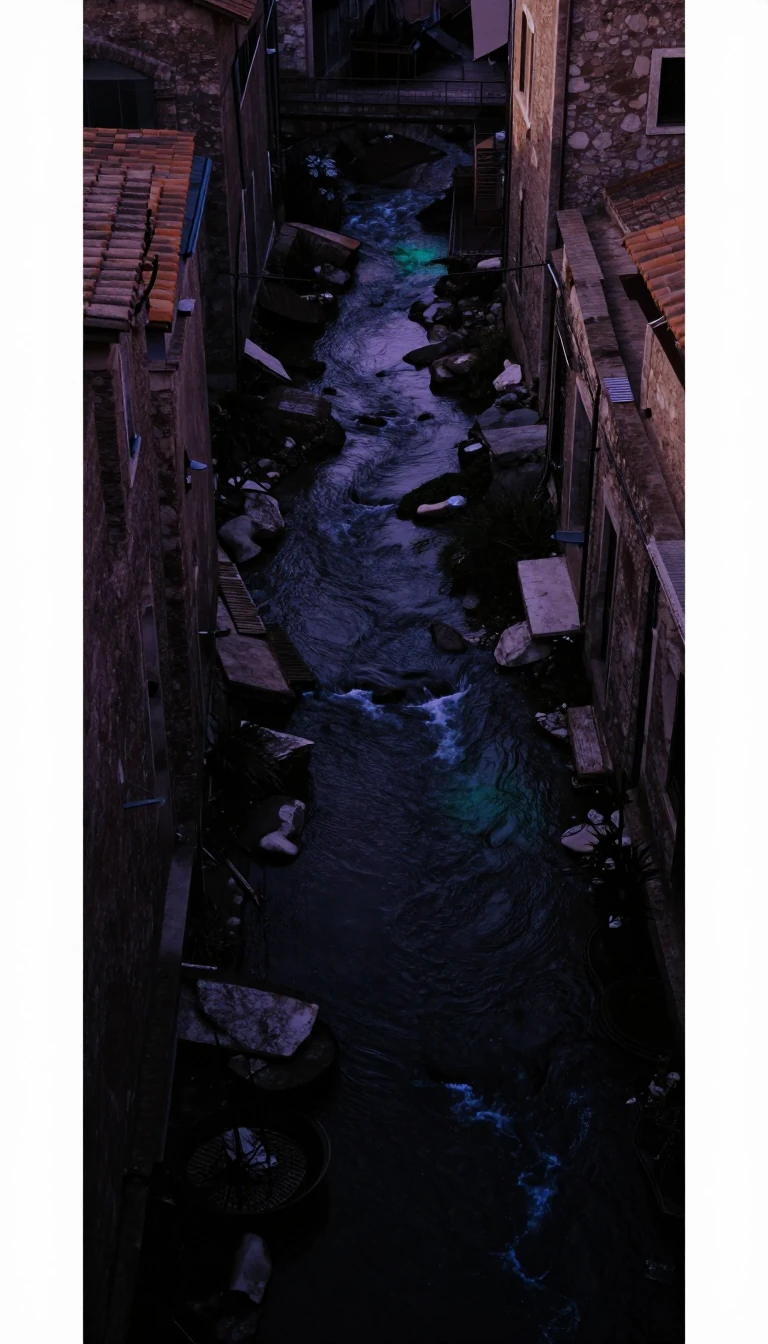
In short: Tavira is more than a sunny Algarve destination. Its history spans from early Phoenician urban centers to a Moorish stronghold and a 1755 earthquake survivor. Today, this town serves as the representative community for the Mediterranean Diet, blending ancient architectural legacies with a modern identity shaped by the sea.
The story of Tavira begins in the late Bronze Age, around 1,000 to 800 BC. By the 8th century BC, it had emerged as a significant Phoenician colonial hub, featuring robust defensive walls, sanctuaries, and a structured urban layout. This initial settlement eventually faded as the local river delta shifted, leading inhabitants to abandon the site by the end of the 6th century BC. While the area saw subsequent activity during the Tartessian period and later under Roman rule, the landscape was fundamentally transformed during the Moorish occupation between the 8th and 13th centuries.
Moorish influence remains deeply embedded in the town's character, visible in its whitewashed facades, distinctive rooftops, and the seven-arched bridge that was once mistakenly attributed to Roman engineers. In 1242, the town was captured by Dom Paio Peres Correia, whose forces decimated the local population. The subsequent centuries saw the town prosper as a maritime port, though it faced near-total destruction during the 1755 earthquake. This seismic event, which reached an estimated magnitude of 8.5–9.0, reshaped the town’s physical form, leading to the construction of the many 18th-century buildings and churches that define its current aesthetic.
Modern Tavira balances its historical weight with contemporary life. While its traditional fishing industry declined due to environmental changes and shifting tuna migration patterns, the town has found new economic footing through tourism and its role as a cultural guardian. It stands as the official representative for the Mediterranean Diet, a UNESCO-recognized intangible heritage. Beyond its historical sites, such as the church of Santa Maria do Castelo—which incorporates a former minaret into its clock tower—the town remains a vibrant community, connected to the wider Algarve by rail and road, and serving as a gateway to the natural wetlands of the Ria Formosa.
Opens the Intellect+ feed with this card first. Swipe up for the next one.
Sources
- Summary by Intellect · source: Tavira
- Also: Wikidata — Tavira · CC0
To cite this card, link to https://intellectplus.co.uk/app/places-tavira.
How we source, check and correct cards: Editorial standards.
General information, not professional advice. Spotted an error? Flag the card or see corrections and complaints.
Intellect Plus is a visual educational discovery platform for exploring fascinating facts and ideas. Brain Food, Not Brain Rot. What is Intellect Plus?
Related
More in Europe and Russia · More in Countries & Cities · Latest · A–Z · All topics
