How a Dutch wool capital transformed into a modern hub of logistics and art
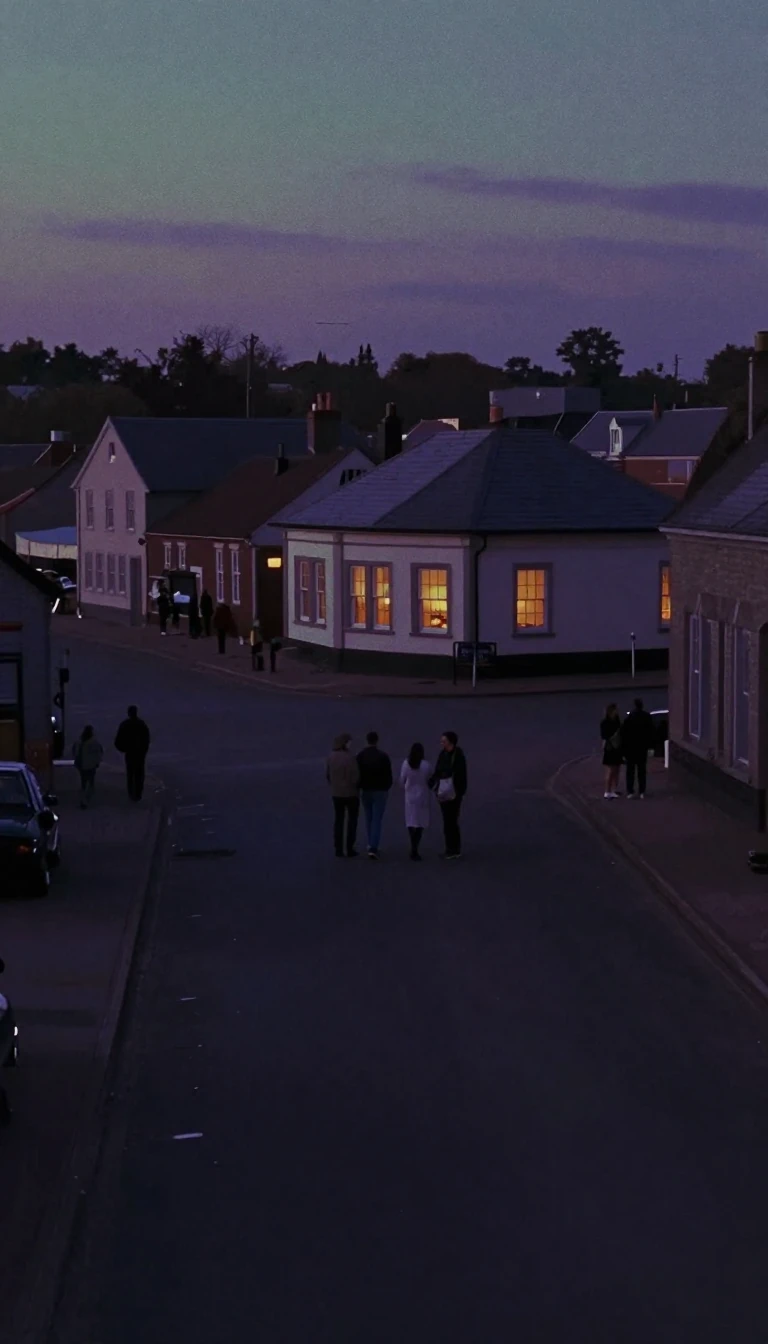
In short: Once defined by its thriving wool industry, Tilburg has reinvented itself as a center for global logistics and contemporary culture. From the collapse of its textile mills in the 1960s to the rise of high-rise architecture and world-class art museums, the city offers a unique case study in urban evolution.
Tilburg’s origins remain somewhat mysterious, with the name first appearing in AD 709. For centuries, it functioned as a collection of hamlets centered around collective pasturelands known as herd places. By the 17th century, these farmers began weaving wool in their own homes, eventually leading to a massive industrial boom. By 1881, the city boasted 145 wool mills, earning it the title of the wool capital of the Netherlands. However, this industry collapsed in the 1960s, forcing the city to undergo a painful but necessary period of urban renewal.
The transition was marked by controversy. Under Mayor Cees Becht, historic monuments were demolished to make way for modern infrastructure, earning him the nickname Cees de Sloper—Cees the demolisher. Yet, this era of destruction paved the way for a new identity. Today, Tilburg is a logistics powerhouse, benefiting from its location between Antwerp, Rotterdam, and the Ruhr area. It also hosts major international facilities, including a primary European assembly hub for Tesla, established in the Vossenberg industrial area in 2013.
Beyond industry, Tilburg has cultivated a vibrant cultural scene. The De Pont museum, opened in 1992, occupies a former wool mill and showcases works by artists like Ai Weiwei and Anish Kapoor. The city is also a major educational center, home to Tilburg University, which has gained international recognition for its economics faculty. Whether through the preservation of its industrial heritage or the construction of its modern skyline, Tilburg continues to balance its past as a textile hub with its present as a forward-looking European city.
Opens the Intellect+ feed with this card first. Swipe up for the next one.
Sources
- Summary by Intellect · source: Tilburg
- Also: Wikidata — Tilburg · CC0
- Also: Wikidata — Tilburg · CC0
To cite this card, link to https://intellectplus.co.uk/app/places-tilburg.
How we source, check and correct cards: Editorial standards.
General information, not professional advice. Spotted an error? Flag the card or see corrections and complaints.
Intellect Plus is a visual educational discovery platform for exploring fascinating facts and ideas. Brain Food, Not Brain Rot. What is Intellect Plus?
Related
More in Europe and Russia · More in Countries & Cities · Latest · A–Z · All topics
