Telford is a modern town built on the foundations of the Industrial Revolution.
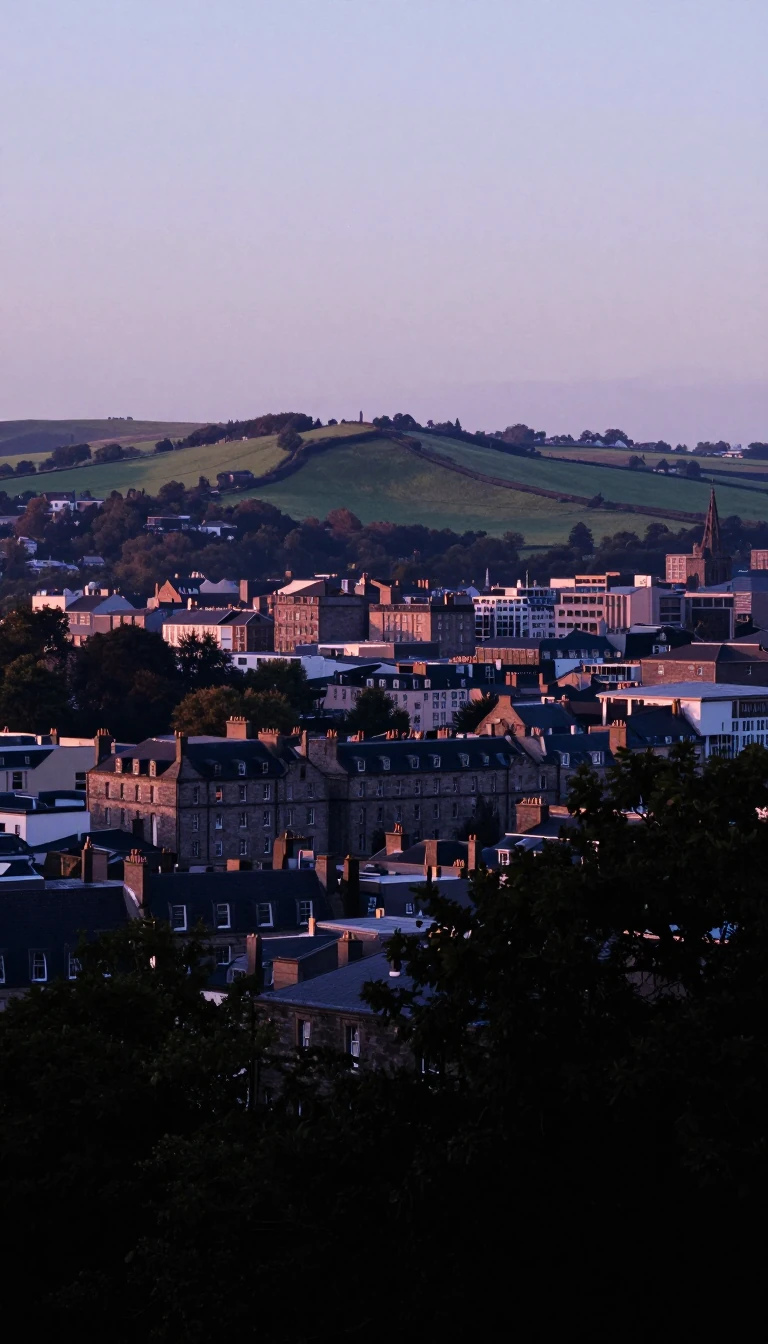
In short: Designated in the 1960s to absorb overspill from the West Midlands, Telford is a polycentric town that fused historic settlements like Wellington and Ironbridge. While it was once the site of 19th-century coal riots, it transformed into a high-tech hub, creating a unique identity from its industrial past.
Telford was officially designated under the New Towns Acts in 1963, initially named Dawley New Town. It was designed to accommodate 50,000 residents from the West Midlands conurbation, with ambitious growth targets that aimed for a population of over 220,000 by 1991. The town was renamed in 1968 after Thomas Telford, a Scottish-born civil engineer who had served as the Surveyor of Public Works for Shropshire since 1787.
The town's development was a deliberate attempt to create a cohesive urban center from disparate, long-established communities including Wellington, Madeley, and Oakengates. This fusion was not without friction; many residents from the original towns resented the influx of newcomers, who were often labeled as 'overspill.' Even today, some residents prefer to identify with their historic local names rather than the collective identity of Telford, reflecting the town's polycentric and somewhat fragmented nature.
Economically, the area has undergone a dramatic evolution. Once a center for coal and ironstone mining, it suffered through high unemployment in the 1970s and 1980s, peaking at 22.3% in 1983. To combat this, the town courted foreign investment, attracting high-technology firms from Japan and the United States. By the early 2000s, the economy had shifted toward IT services and government contracts, with companies like Capgemini and Fujitsu becoming major employers. A £250 million regeneration plan, initiated in 2007, further modernized the town center, adding the Southwater leisure complex in 2014 to provide a 'heart' that the original shopping-focused design lacked.
Today, Telford stands as the most populous settlement in Shropshire, with a 2021 census population of 156,896. It remains a mix of the old and the new, containing the UNESCO-listed Ironbridge Gorge—the birthplace of industry—alongside modern infrastructure like the M54 motorway and the International Centre. Despite its administrative unity, the town remains divided into wards, and its landscape is dominated by the natural landmark of The Wrekin hill.
Opens the Intellect+ feed with this card first. Swipe up for the next one.
Sources
- Summary by Intellect · source: Telford
- Also: Wikidata — Telford · CC0
- Also: Wikidata — Telford · CC0
To cite this card, link to https://intellectplus.co.uk/app/places-telford.
How we source, check and correct cards: Editorial standards.
General information, not professional advice. Spotted an error? Flag the card or see corrections and complaints.
Intellect Plus is a visual educational discovery platform for exploring fascinating facts and ideas. Brain Food, Not Brain Rot. What is Intellect Plus?
Related
More in UK & Irish cities · More in Countries & Cities · Latest · A–Z · All topics
