How a Greek Vale inspired an Arizona city built on ancient irrigation canals
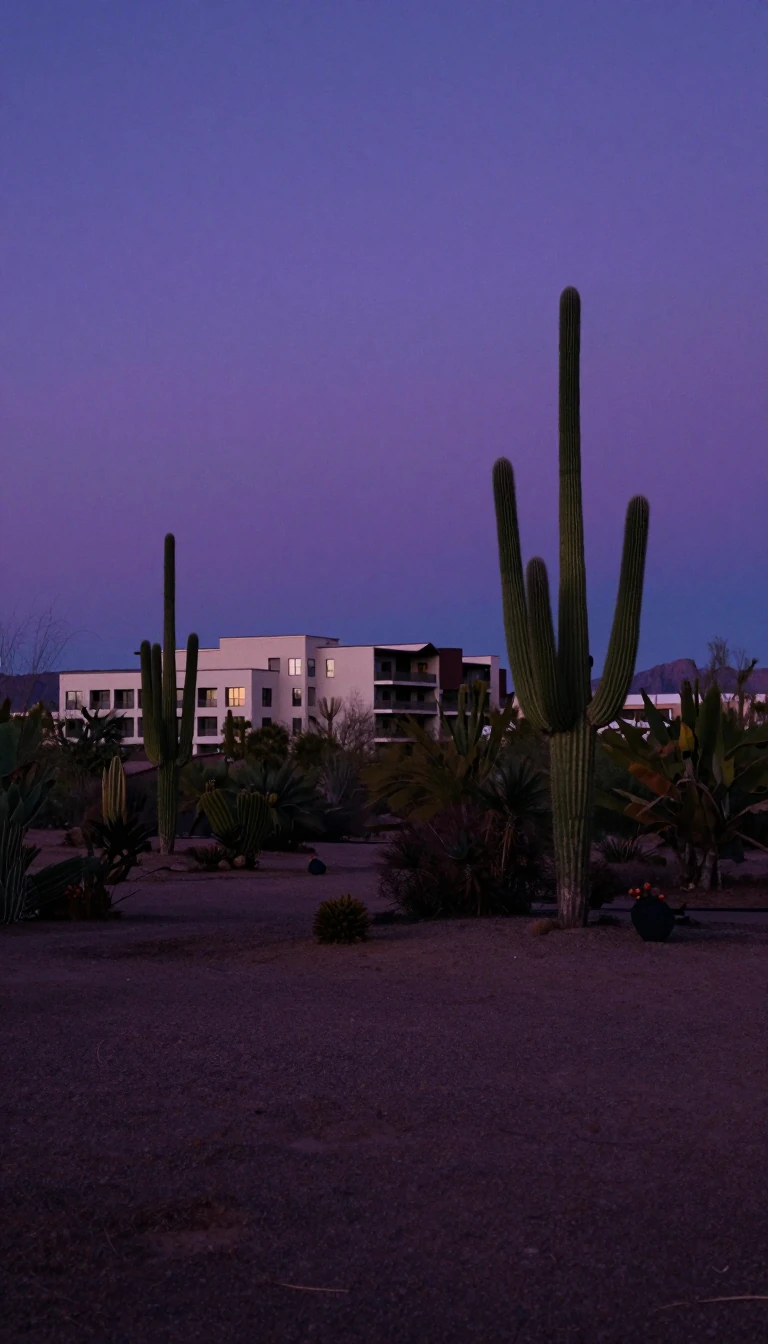
In short: Long before it became a modern hub for education and commerce, Tempe was a desert settlement defined by the remnants of Hohokam canals. Named after a mythical Greek valley, the city evolved from a sundown town into a vibrant, urbanized suburb that now anchors the East Valley of Arizona.
The history of Tempe begins with the Hohokam people, who engineered a sophisticated canal system to support agriculture in the Salt River Valley before abandoning their settlements in the 15th century. Permanent re-settlement arrived in 1865, spurred by the establishment of Fort McDowell. Early pioneers, including Charles T. Hayden, founded Hayden's Ferry, which served as a critical river crossing. By 1879, the area was officially named Tempe, a moniker suggested by Darrell Duppa, who drew a comparison between the local landscape and the Vale of Tempe in Greece.
For nearly a century, from its 1871 founding until 1961, Tempe functioned as a sundown town, systematically excluding African Americans from residency. This era of segregation only began to shift in 1965 when Warren and Carol Livingston became the first Black residents to purchase property in the city. The town's economic trajectory was fundamentally altered in 1885 when it was selected as the site for the Territorial Normal School, the institution that would eventually grow into Arizona State University. This academic foundation, combined with the 1911 completion of the Roosevelt Dam, provided the water security and intellectual capital necessary for Tempe to transform into a prosperous city.
Today, Tempe is a dense, inner suburb of Phoenix, characterized by a unique geography that includes the Salt River and the prominent Hayden Butte, locally known as A-Mountain. The city has become a significant center for commerce, hosting the headquarters of various companies and serving as a destination for major events like the Ironman Arizona. Despite its rapid development and modern skyline, the city maintains a connection to its past through institutions like the Tempe History Museum and the preservation of historic sites, while continuing to serve as a vital economic engine for the region.
Opens the Intellect+ feed with this card first. Swipe up for the next one.
Sources
- Summary by Intellect · source: Tempe, Arizona
- Also: Wikidata — Tempe · CC0
- Also: Wikidata — 2020 COVID-19 pandemic in Tempe, Arizona · CC0
To cite this card, link to https://intellectplus.co.uk/app/places-tempe-arizona.
How we source, check and correct cards: Editorial standards.
General information, not professional advice. Spotted an error? Flag the card or see corrections and complaints.
Intellect Plus is a visual educational discovery platform for exploring fascinating facts and ideas. Brain Food, Not Brain Rot. What is Intellect Plus?
Related
More in Capital cities · More in Countries & Cities · Latest · A–Z · All topics
