How an ancient desert civilization engineered the blueprint for a modern Arizona metropolis
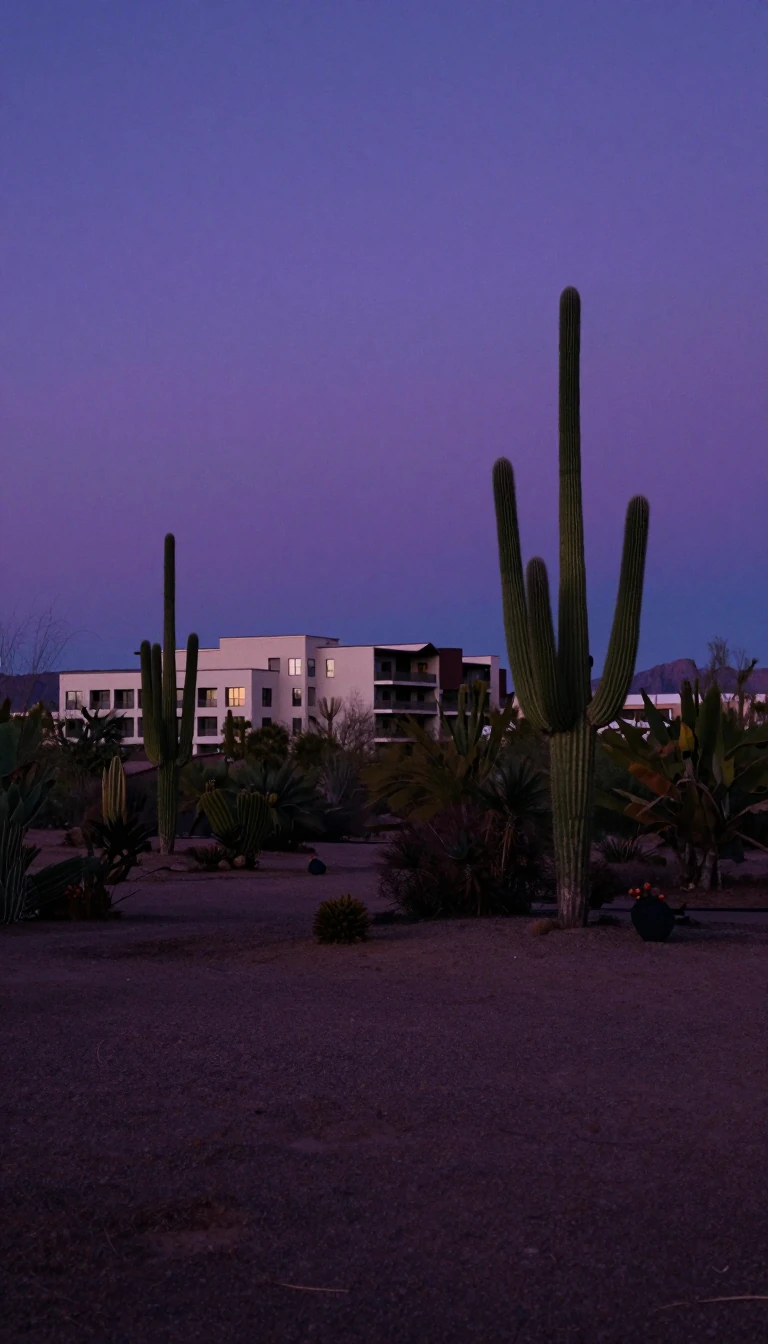
In short: Long before modern suburban sprawl, the Hohokam people transformed the Sonoran Desert into a lush agricultural oasis using a sophisticated canal system. Today, Mesa stands as a sprawling city of over 500,000 residents, shaped by its unique history, Mormon roots, and a reputation as a deeply conservative American stronghold.
The history of Mesa is anchored in the ingenuity of the Hohokam culture, who arrived in the region at least 2,000 years ago. By 1100 CE, they had engineered an expansive network of canals, some reaching 90 feet wide and 10 feet deep, which irrigated over 110,000 acres of desert. These prehistoric waterworks were so effective that many remain in use today, providing the foundational infrastructure for the agricultural development that defined the area for centuries.
Modern Mesa began to take shape in the late 19th century, driven by Mormon pioneers who established settlements like Lehi and the city itself. Incorporated in 1883 with just 300 people, the town evolved through the 20th century, bolstered by military expansion during the 1940s and the subsequent rise of aerospace industries. The city's governance shifted in 1967 to a council-manager model, and today, it is recognized as a major urban center, serving as the most populous city in the Phoenix East Valley.
Beyond its infrastructure, Mesa is noted for its distinct political identity. Academic researchers from MIT and UCLA, alongside the Pew Research Center, have identified Mesa as the most conservative city in the United States with a population exceeding 250,000. This political character exists alongside a diverse educational landscape, hosting over 10 colleges and universities, including the Polytechnic campus of Arizona State University, which continues to drive the city's growth in engineering and design.
The city's physical layout is defined by a unique grid system bisected by Center Street, which serves as the origin point for numbering. Spanning 138.7 square miles, the city balances its historical roots—such as the Mesa Arizona Temple and the remnants of Hohokam engineering—with modern suburban retail centers and extensive parkland. Despite the decline of traditional agriculture, Mesa remains a significant hub in the Phoenix metropolitan area, characterized by its hot desert climate and rapid 20th-century expansion.
Opens the Intellect+ feed with this card first. Swipe up for the next one.
Sources
- Summary by Intellect · source: Mesa, Arizona
- Also: Wikidata — Mesa · CC0
- Also: Wikidata — 2020 COVID-19 pandemic in Mesa, Arizona · CC0
To cite this card, link to https://intellectplus.co.uk/app/places-mesa-arizona.
How we source, check and correct cards: Editorial standards.
General information, not professional advice. Spotted an error? Flag the card or see corrections and complaints.
Intellect Plus is a visual educational discovery platform for exploring fascinating facts and ideas. Brain Food, Not Brain Rot. What is Intellect Plus?
Related
More in US cities · More in Countries & Cities · Latest · A–Z · All topics
