Why some lands are not quite states, provinces, or regions
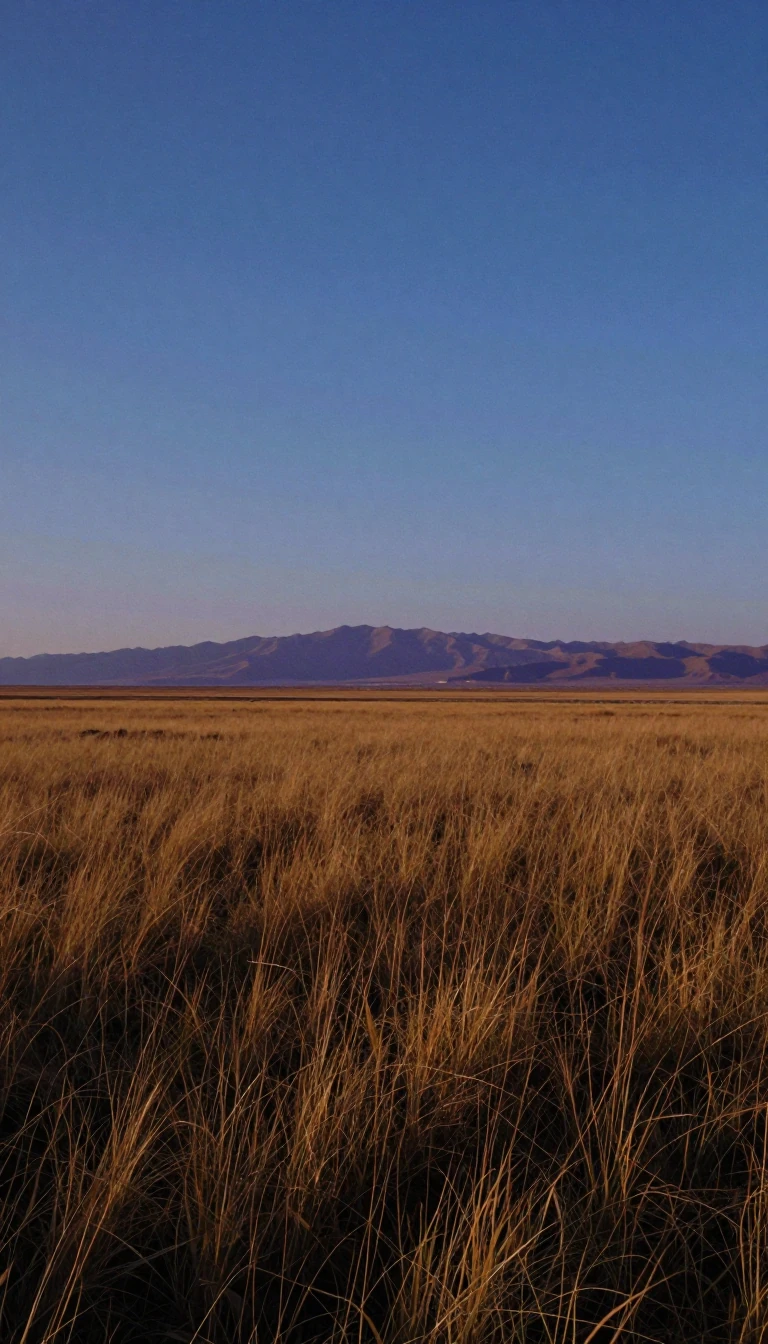
In short: A territory is more than just land. In international politics, it is a specific legal status for areas that lack full self-government or remain outside a nation's core structure. From federal districts to occupied zones, understanding these classifications reveals how power, geography, and sovereignty intersect across the globe.
At its core, a territory is a geographic area connected to a country, person, or animal. Etymologically, the word traces back to the Proto-Indo-European root 'ters', meaning 'to dry', which evolved into the Latin 'terra' for earth and 'territorium' for land surrounding a town. It entered Middle English in the 14th century, shifting its suffix to denote a specific place.
In modern political terms, a territory often functions as a subdivision that is controlled by a state but not formally incorporated into its primary political units, such as provinces or states. These areas frequently lack the full powers of self-government. For instance, a federal capital territory is a specially designated zone for a government seat, ensuring no single state holds pre-eminence. Conversely, unorganized territories are typically sparsely populated regions lacking a standard, fully constituted system of government.
The status of a territory can be highly contentious. Disputed territories, such as Kashmir or Taiwan, are claimed by multiple rival governments, each asserting sovereignty over the same land. Meanwhile, occupied territories are under the military control of an outside power without universal international recognition, as seen in historical examples like post-World War II Germany or more recent instances like the Golan Heights or Crimea. Other classifications include overseas territories, which are separated from the governing state by an ocean, ranging from the autonomous Faroe Islands to the integral overseas departments of France.
Ultimately, the term covers a vast spectrum of legal and political arrangements. Whether it is a dependent territory like the British Overseas Territories or a special municipality within the Kingdom of the Netherlands, the designation highlights the complex ways nations manage land that exists outside their standard administrative framework. These distinctions are essential for navigating the nuances of international law and the realities of global governance.
Opens the Intellect+ feed with this card first. Swipe up for the next one.
Sources
- Summary by Intellect · source: Territory
- Also: Wikidata — territory · CC0
- Also: Wikidata — territory · CC0
To cite this card, link to https://intellectplus.co.uk/app/places-territory.
How we source, check and correct cards: Editorial standards.
General information, not professional advice. Spotted an error? Flag the card or see corrections and complaints.
Intellect Plus is a visual educational discovery platform for exploring fascinating facts and ideas. Brain Food, Not Brain Rot. What is Intellect Plus?
Related
More in Basics · More in Countries & Cities · Latest · A–Z · All topics
