How Ludwig Göransson ditched the orchestra to score Christopher Nolan's epic The Odyssey
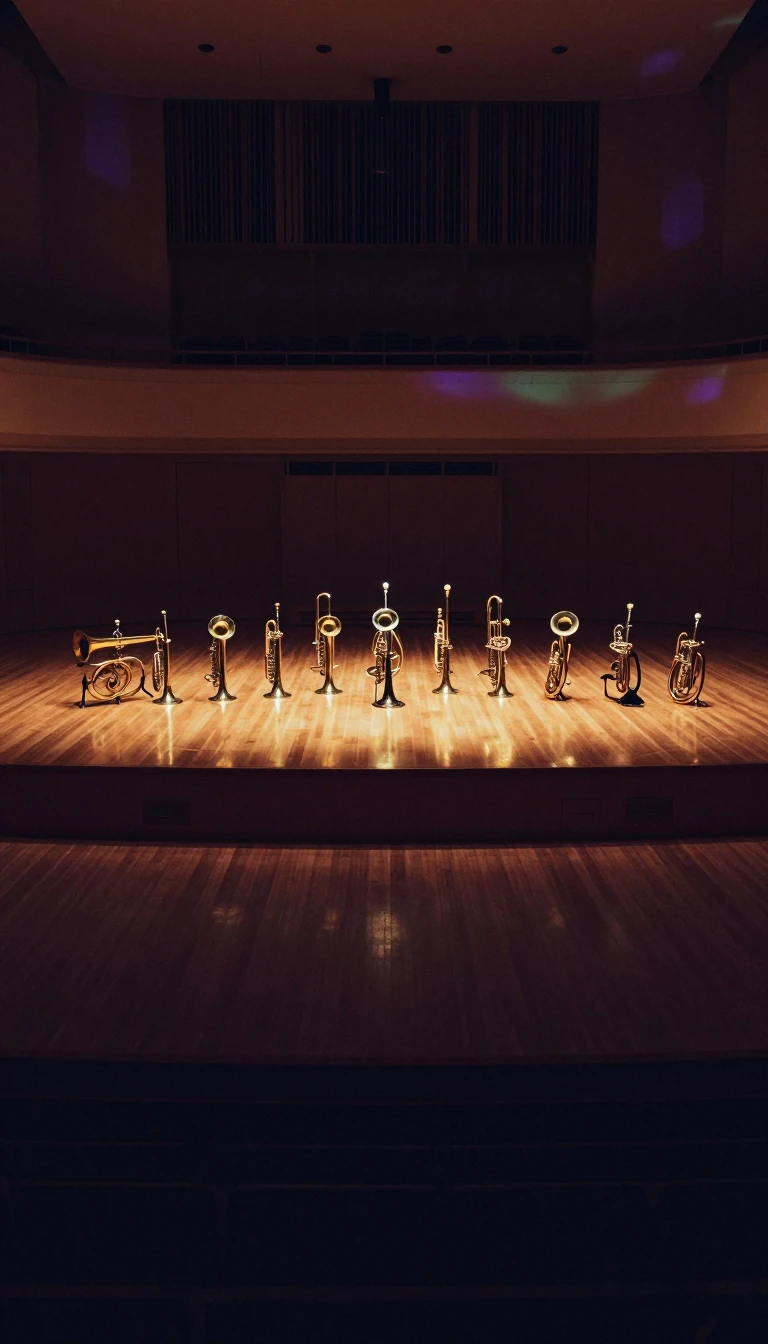
In short: For his 2026 adaptation of Homer’s epic, Christopher Nolan rejected traditional orchestral sounds. Instead, composer Ludwig Göransson built a visceral, Bronze Age-inspired soundscape using 35 custom bronze gongs, ancient instrument replicas, and the haunting, traditional folk singing style of Albanian iso-polyphony to capture the raw, ancient spirit of the journey.
To ground the film in its Bronze Age setting, Ludwig Göransson and director Christopher Nolan consciously avoided the orchestral tropes common to sword-and-sandal cinema. Working with musicians Callum Armstrong and Rosa Fragorapti, the team designed functional replicas of the lyre and the aulos—an ancient reed instrument whose original reeds have long since vanished. By consulting with archaeomusicologists and ethnomusicologists, they sought to honor the historical origins of these instruments, which date back to the 6th and 5th centuries B.C.
The score’s unique texture was further shaped by Göransson’s field research. He traveled to southern Albania to record traditional iso-polyphony and the sounds of shepherds who have played flutes in the region for thousands of years. These organic, environmental sounds were blended with 35 bronze gongs of varying shapes and sizes, recorded alongside synthesizers. This approach allowed the music to feel both ancient and alien, creating a soundscape that critics like David Rooney described as a 'turbulent' reflection of warfare that remains as relevant today as it was 30 centuries ago.
Beyond instrumentation, the score utilizes a technical device known as the Shepard tone to heighten narrative tension. Previously used by Nolan and Hans Zimmer in Dunkirk, this rhythmic technique creates the auditory illusion of a sound that accelerates continuously. This 'pulsating rhythm' is most prominent during the film's battle sequences, such as the assault on Troy. While the score received widespread acclaim for its immersive and electrifying qualities, it was not without detractors; critic Christian Clemmensen dismissed the work as an 'ineffective exercise' in sound design, arguing it lacked the warmth and passion of more traditional compositions.
The project also featured a notable collaboration with English musician James Blake and American rapper Travis Scott. Beyond contributing vocals to the score, the pair co-wrote the closing credits song 'When I'm Home' with Göransson and Nolan. Released on July 17, 2026, the soundtrack serves as a testament to Göransson’s experimental process, which transformed the ancient act of oral storytelling into a modern, visceral cinematic experience.
Opens the Intellect+ feed with this card first. Swipe up for the next one.
Sources
- Summary by Intellect · source: The Odyssey (soundtrack)
- Also: Wikidata — The Odyssey · CC0
To cite this card, link to https://intellectplus.co.uk/app/places-the-odyssey-soundtrack.
How we source, check and correct cards: Editorial standards.
General information, not professional advice. Spotted an error? Flag the card or see corrections and complaints.
Intellect Plus is a visual educational discovery platform for exploring fascinating facts and ideas. Brain Food, Not Brain Rot. What is Intellect Plus?
Related
More in Countries and other regions · More in Countries & Cities · Latest · A–Z · All topics
