How a Siberian fortress reinvented itself as the Athens of the East
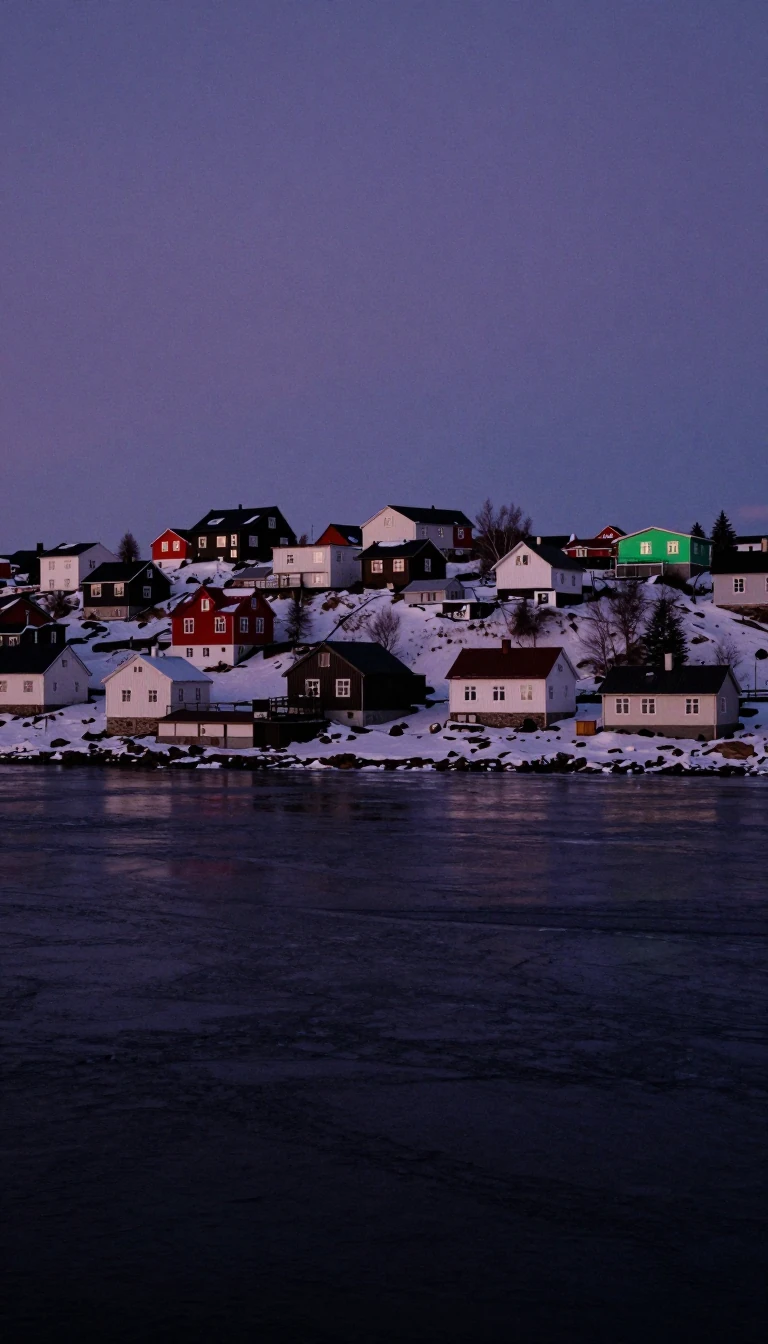
In short: Founded in 1604 as a remote military outpost, Tomsk transformed from a rugged frontier settlement into a premier intellectual hub. Despite being bypassed by the Trans-Siberian Railway, the city leveraged its academic foundations to become a powerhouse of Russian science, technology, and, occasionally, surprising political defiance.
Established by Tsar Boris Godunov in 1604, Tomsk began as a strategic fortress on the Tom River, built to protect the region from local conflicts. By the 19th century, it had become the seat of the Tomsk Governorate, a vast territory that once encompassed modern-day Novosibirsk and parts of Kazakhstan. However, the city's trajectory shifted dramatically in the 1890s when the Trans-Siberian Railway bypassed it in favor of the village of Novonikolayevsk, which eventually grew into the major metropolis of Novosibirsk. This geographic slight forced Tomsk to pivot away from trade and toward education.
The city reinvented itself as the Siberian Athens, anchored by the founding of Tomsk State University in 1878 and Tomsk Polytechnic University in 1896. This academic focus persisted through the Soviet era, even as the city took on a more secretive role. During the Cold War, Tomsk was designated a closed city, and in 1949, authorities established a secret settlement nearby known as Tomsk-7. This site housed the Soviet Union's first industrial-scale nuclear power station, highlighting the city's dual identity as both an open center of higher learning and a hub for classified industrial and military research.
Today, Tomsk remains a critical node in Russia's IT and scientific sectors, hosting numerous institutes under the Siberian Branch of the Russian Academy of Sciences. Its political landscape has also proven distinct; in 2020, the city council saw a notable shift as supporters of Alexei Navalny secured 16 seats, outperforming the pro-Putin United Russia party. With six universities and over 100,000 students, the city maintains its legacy as a center of intellectual gravity, balancing its historical roots as a frontier fort with its modern status as a hub for technological innovation and academic inquiry.
Opens the Intellect+ feed with this card first. Swipe up for the next one.
Sources
- Summary by Intellect · source: Tomsk
- Also: Wikidata — Tomsk · CC0
- Also: www.britannica.com — Tomsk | Siberian City, University Town, Cultural Hub | Britannica
To cite this card, link to https://intellectplus.co.uk/app/places-tomsk.
How we source, check and correct cards: Editorial standards.
General information, not professional advice. Spotted an error? Flag the card or see corrections and complaints.
Intellect Plus is a visual educational discovery platform for exploring fascinating facts and ideas. Brain Food, Not Brain Rot. What is Intellect Plus?
Related
More in Europe and Russia · More in Countries & Cities · Latest · A–Z · All topics
