How a 2005 stealth game redefined the physics of shadows
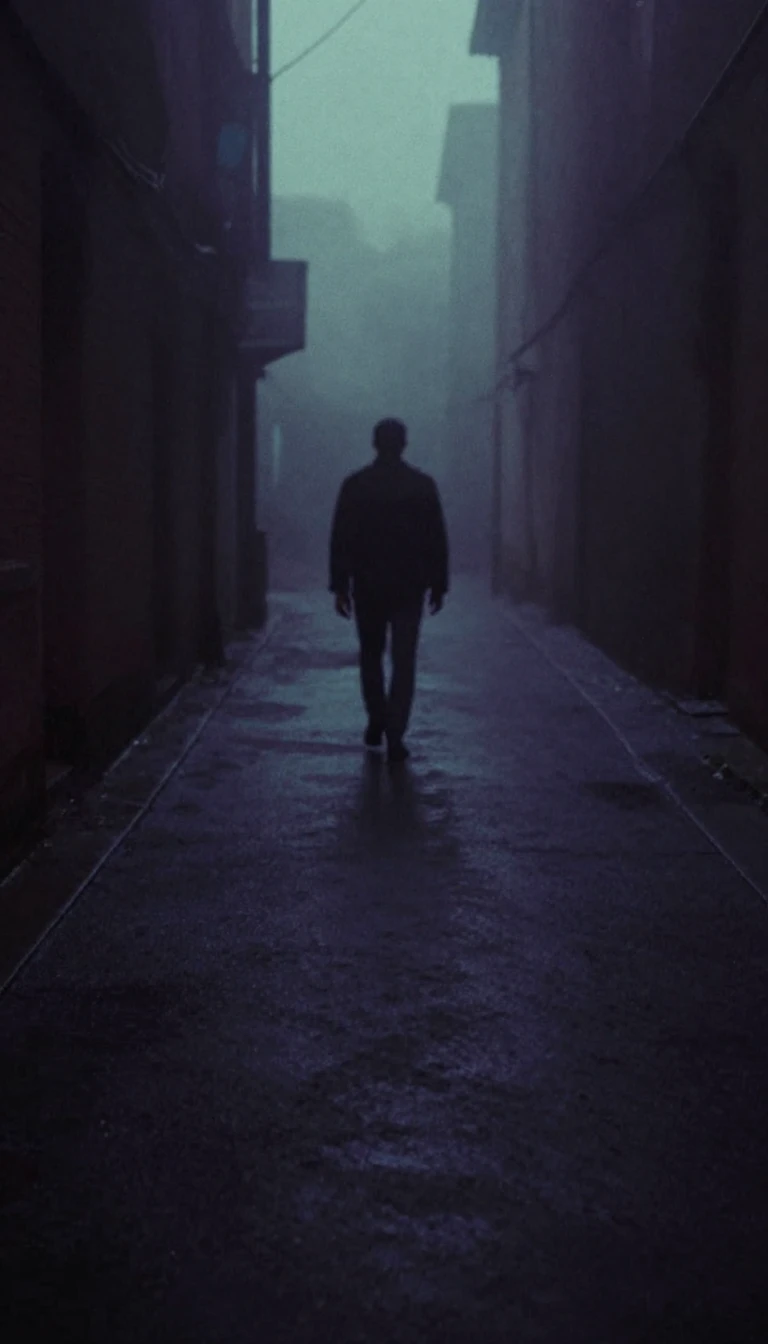
In short: In 2005, Splinter Cell: Chaos Theory didn't just change how players moved through shadows; it fundamentally altered how enemies reacted to them. By introducing ragdoll physics and an aural monitor, the game forced players to master the delicate balance between silence and environmental noise.
Released in March 2005, Chaos Theory marked a significant evolution for the franchise. While previous titles focused on basic stealth, this entry introduced a much darker tone, granting the protagonist, Sam Fisher, the ability to use lethal force during interrogations. This shift in content led to the game receiving its first M-rating from the ESRB, a standard that would persist for all future entries in the series.
The game's technical leap was driven by a complete overhaul of artificial intelligence. Enemies became capable of dynamic environmental interaction, such as moving furniture to create cover or detecting changes like hacked scanners and cut materials. They began using team-based tactics, including flanking maneuvers and lighting flares to flush out the player. A key innovation was the aural monitor, which measured Sam's noise against ambient sounds; if the player was louder than their surroundings, guards would become increasingly alarmed.
Mechanically, the game introduced ragdoll physics and a sophisticated 'Spy vs. Mercenary' mode. Players could choose between different equipment kits—Assault, Stealth, or Redding's Recommendation—to balance ammunition and non-lethal tools. The SC-20K launcher was expanded with gadgets like the Sticky Camera, which could reveal area images or emit CS gas, and the Sticky Shocker, which incapacitated targets in water. These systems combined to create a high-fidelity simulation of covert operations, where even a single mistake in noise or positioning could trigger a cascade of tactical responses from the AI.
Opens the Intellect+ feed with this card first. Swipe up for the next one.
Sources
- Summary by Intellect · source: Tom Clancy's Splinter Cell: Chaos Theory
To cite this card, link to https://intellectplus.co.uk/app/places-tom-clancy-s-splinter-cell-chaos-theory.
How we source, check and correct cards: Editorial standards.
General information, not professional advice. Spotted an error? Flag the card or see corrections and complaints.
Intellect Plus is a visual educational discovery platform for exploring fascinating facts and ideas. Brain Food, Not Brain Rot. What is Intellect Plus?
Related
More in Cities · More in Countries & Cities · Latest · A–Z · All topics
