How a tropical Australian port city became the unlikely birthplace of native land rights.
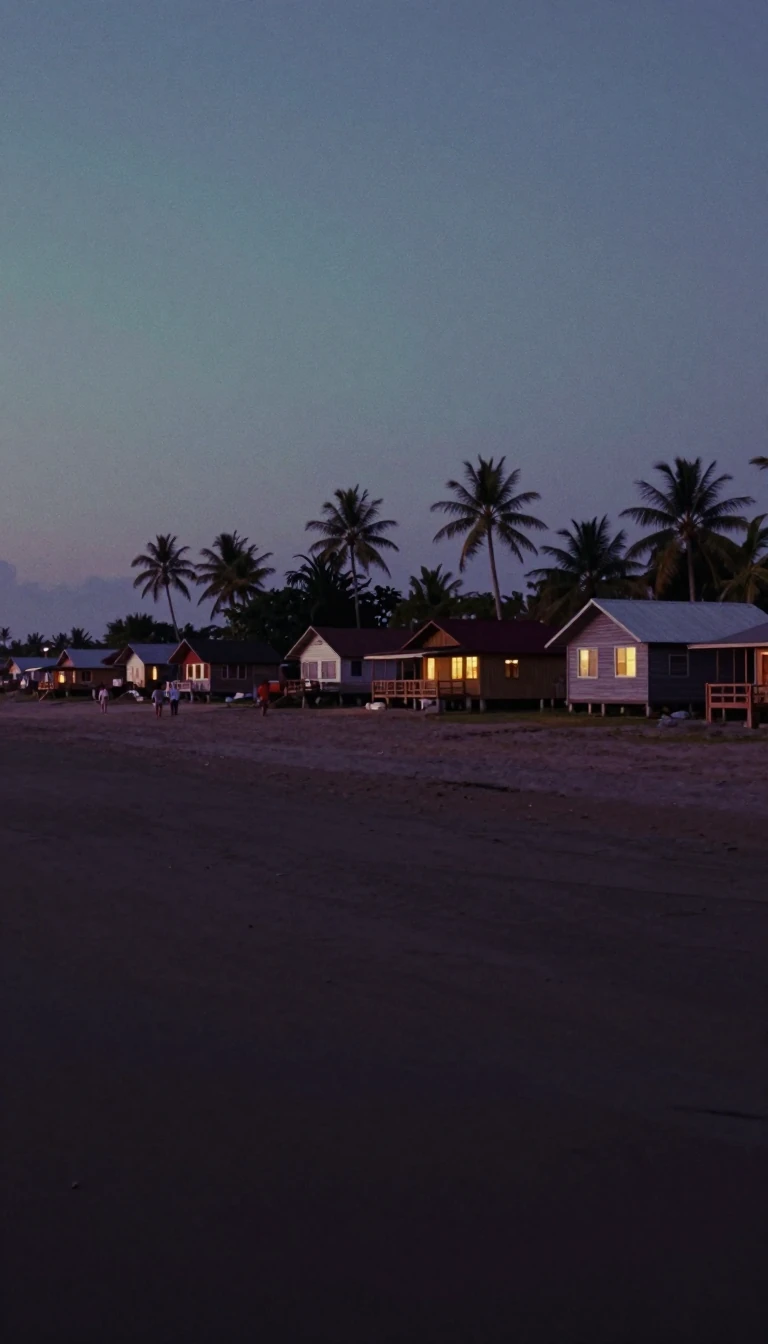
In short: Townsville is more than an industrial hub and military fortress in the dry tropics. It is the site where a university gardener named Eddie Mabo discovered the legal fiction of terra nullius, sparking a landmark High Court battle that fundamentally reshaped the relationship between Australia and its Indigenous peoples.
Located on the north-eastern coast of Queensland, Townsville serves as the primary administrative and industrial centre for Northern Australia. Since its founding in the 1860s, the city has evolved from a port supporting goldfields and pastoral industries into a strategic military stronghold. During World War II, it hosted over 50,000 personnel and served as a critical staging point for Pacific operations, enduring several Japanese air raids in 1942 that targeted its harbour and airfields.
The city's cultural and intellectual landscape was transformed by the establishment of James Cook University in 1970. It was here that Eddie Mabo, a gardener at the institution, learned in 1974 that the legal doctrine of terra nullius denied his traditional ownership of his ancestral lands. This realization, shared during a 1981 land rights conference held on campus, prompted a historic legal challenge. Supported by lawyers Greg McIntyre, Ron Castan, and Bryan Keon-Cohen, Mabo pursued a test case against the Australian government.
The resulting High Court of Australia ruling on June 3, 1992, in Mabo v Queensland (No 2) marked a watershed moment in national history by recognizing native title for the first time. Today, the city honors this legacy, with the university library named in Mabo's honor. Beyond this legal milestone, Townsville remains a diverse economic engine, home to significant renewable energy projects like CopperString 2032 and major industrial operations, including one of the world's largest zinc refineries.
The region's history is complex, marked by the early arrival of colonists and the importation of South Sea Islander labor in the 1860s, as well as the displacement of traditional owners like the Wulgurukaba and Bindal peoples. From its modernist architecture and tropical gardens to the remnants of wartime bunkers on Castle Hill, Townsville reflects a layered past, balancing its role as an industrial heartland with its identity as a site of profound social and legal change.
Opens the Intellect+ feed with this card first. Swipe up for the next one.
Sources
- Summary by Intellect · source: Townsville
- Also: Wikidata — Townsville · CC0
- Also: Wikidata — Townsville · CC0
To cite this card, link to https://intellectplus.co.uk/app/places-townsville.
How we source, check and correct cards: Editorial standards.
General information, not professional advice. Spotted an error? Flag the card or see corrections and complaints.
Intellect Plus is a visual educational discovery platform for exploring fascinating facts and ideas. Brain Food, Not Brain Rot. What is Intellect Plus?
Related
More in History · Latest · A–Z · All topics
