How a Japanese silk town transformed into the global headquarters of an automotive giant.
In short: Once a thriving center for silk production, the city of Koromo faced economic decline by 1930. This shift prompted Kiichiro Toyoda to pivot toward automotive manufacturing, eventually leading the city to rename itself after his company. Today, Toyota stands as a major industrial hub with a unique, corporate-driven identity.
The city of Toyota, located in north-central Aichi Prefecture, has a history stretching back to prehistoric times. Before its industrial transformation, the area was known as Koromo, a name referenced in early documents like the Kojiki. During the Edo period, the region was largely tenryō territory, governed directly by the Tokugawa shogunate. It also encompasses the village of Matsudaira, the ancestral home of Tokugawa Ieyasu.
The city's modern trajectory began with the collapse of the local silk industry, which had prospered through the Meiji and Taishō periods. As demand for raw silk plummeted after 1930, Kiichiro Toyoda sought new ventures, leading to the establishment of the Toyota Motor Corporation. The company broke ground on its first manufacturing facility, the Honsha plant, in December 1935, with operations beginning in November 1938. The city's economic reliance on the corporation became so profound that it officially changed its name from Koromo to Toyota on January 1, 1959.
Toyota has since expanded significantly through the annexation of surrounding towns and villages, such as Fujioka and Asuke in 2005. Despite its global fame, the city maintains a modest headquarters and has faced challenges in retaining foreign talent due to a perceived lack of amenities. By 2015, the city was navigating an economic recovery, with some observers drawing comparisons to the struggles of Detroit, Michigan—a city with which Toyota has maintained a sister-city relationship since 1960.
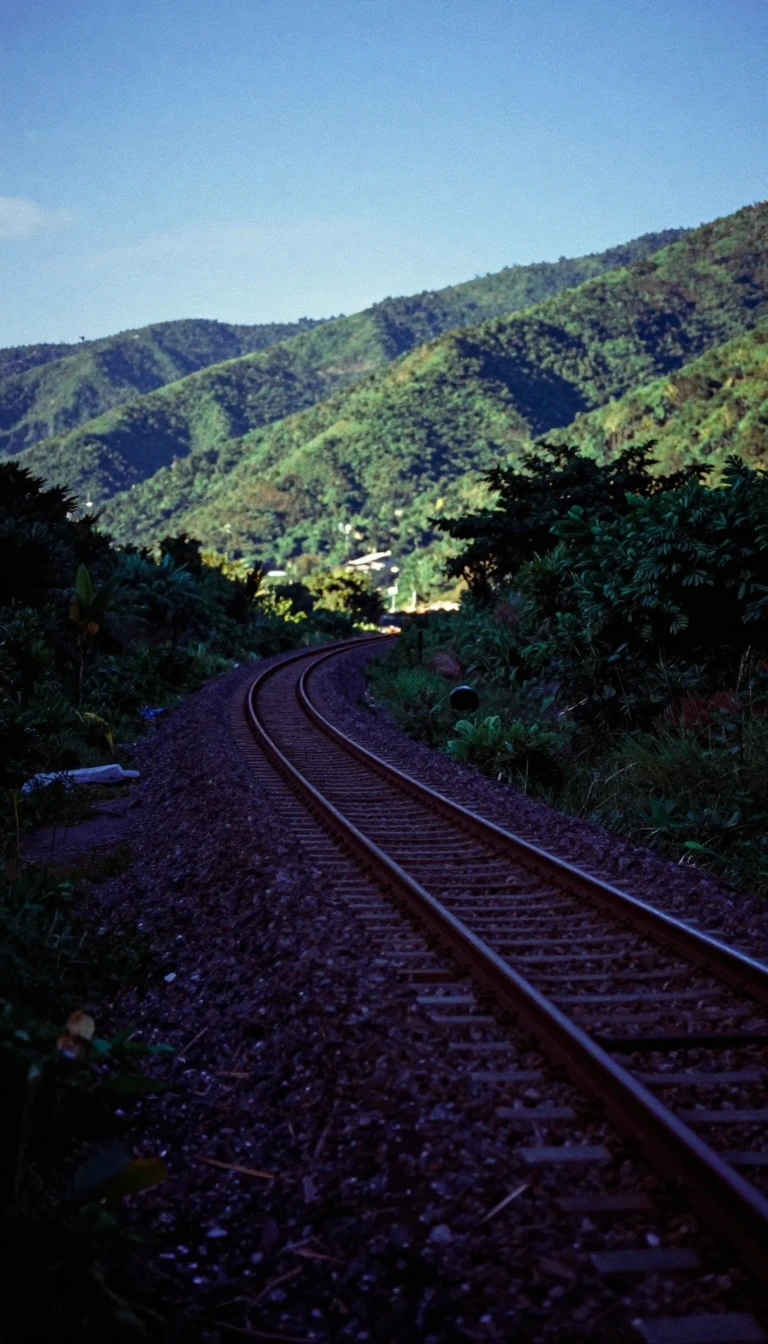
Geographically, the city is the largest in Aichi Prefecture by area, featuring mountainous terrain to the north that reaches heights of about 1000 feet. While it is well-served by expressways, it holds the historical distinction of being the largest city in Japan never served by the Japanese National Railways during the system's existence. Today, it operates under a mayor-council government and serves as a major industrial center, balancing its deep historical roots with its status as a global corporate headquarters.
Opens the Intellect+ feed with this card first. Swipe up for the next one.
Sources
- Summary by Intellect · source: Toyota, Aichi
- Also: Wikidata — Toyota · CC0
To cite this card, link to https://intellectplus.co.uk/app/places-toyota-aichi.
How we source, check and correct cards: Editorial standards.
General information, not professional advice. Spotted an error? Flag the card or see corrections and complaints.
Intellect Plus is a visual educational discovery platform for exploring fascinating facts and ideas. Brain Food, Not Brain Rot. What is Intellect Plus?
Related
More in Asia · More in Countries & Cities · Latest · A–Z · All topics
