Why this Japanese lakeside city was once the center of the imperial world
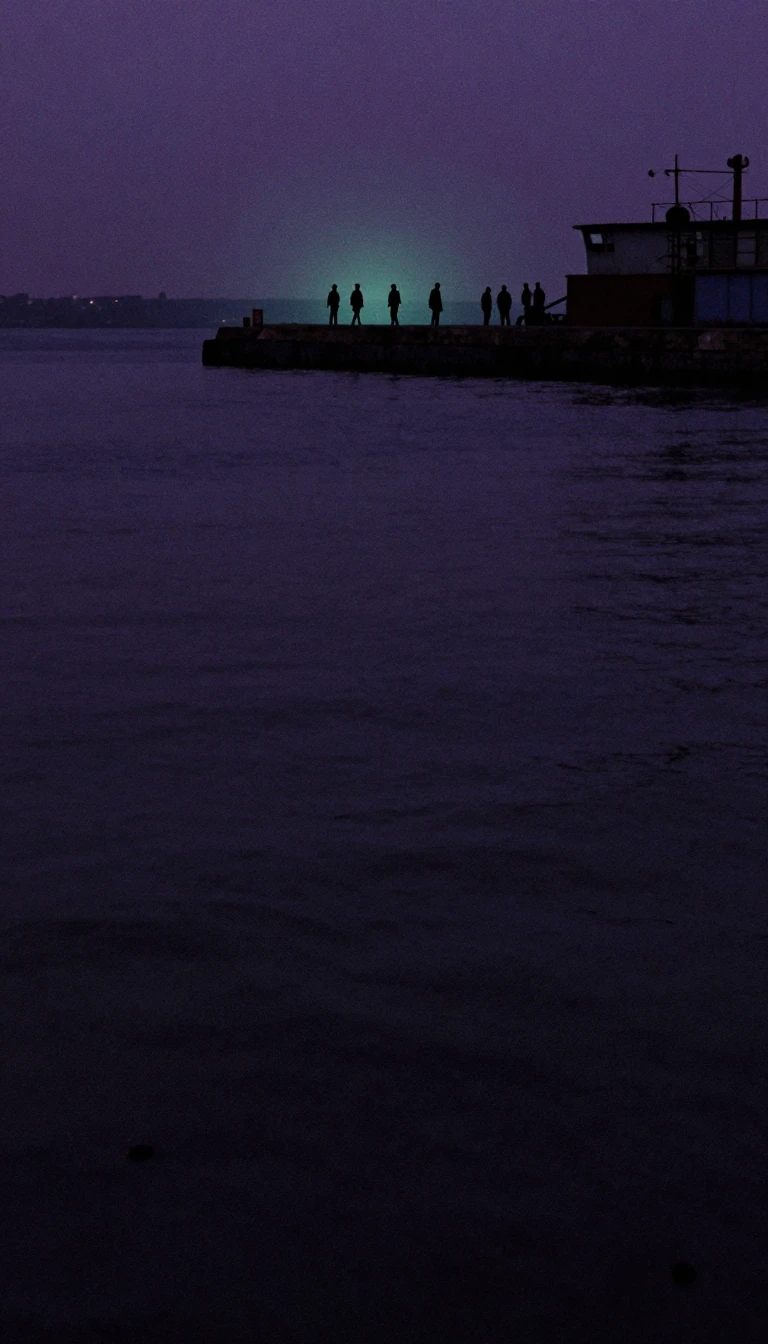
In short: Long before it became a modern prefectural capital, Ōtsu served as the seat of the Japanese emperor and a vital transit hub. Nestled on the shores of Lake Biwa, this historic city has evolved from an ancient palace site into a gateway for literature, trade, and spiritual tradition.
Ōtsu, the capital of Shiga Prefecture, occupies a strategic position on the southwestern shore of Lake Biwa, Japan’s largest freshwater lake. Its history is deeply intertwined with the development of the Japanese state. Between 667 and 672, the city hosted the Ōmi Ōtsu Palace, serving as the nation's capital under Emperor Tenji. Even after the imperial center shifted to nearby Heian-kyō—modern-day Kyoto—in 794, Ōtsu remained a critical satellite, functioning as a major port and a junction for ancient highways like the Tōkaidō and Nakasendō.
The city's cultural significance is perhaps best exemplified by Ishiyama-dera, a temple founded in 749 by the monk Rōben. Tradition holds that the author Murasaki Shikibu began writing The Tale of Genji, a cornerstone of world literature, within its walls during the 11th century. Beyond its literary legacy, Ōtsu was a hub of Edo-period commerce, famous for producing the Ōtsu soroban abacus and the folk art known as Ōtsu-e. Its proximity to Lake Biwa also made it a center for water-based transport, a role that expanded in the 1890s with the construction of the Lake Biwa Canal, which powered Japan's first streetcar services.
Today, Ōtsu remains a blend of the ancient and the contemporary. It is home to UNESCO World Heritage sites, including the Enryaku-ji monastery on Mount Hiei, yet it also functions as a modern residential and administrative center. Despite a 19th-century diplomatic crisis—the 1891 Ōtsu incident, where a policeman attempted to assassinate the future Tsar Nicholas II—the city has maintained its identity as a vital crossroads. With a population of over 340,000, it continues to manage the delicate balance between preserving its deep historical assets and serving the needs of the surrounding Kansai region.
Opens the Intellect+ feed with this card first. Swipe up for the next one.
Sources
- Summary by Intellect · source: Ōtsu
- Also: Ōtsu | Ōtsu | Shiga Prefecture, Lake Biwa, Capital City | Britannica
To cite this card, link to https://intellectplus.co.uk/app/places-tsu.
How we source, check and correct cards: Editorial standards.
General information, not professional advice. Spotted an error? Flag the card or see corrections and complaints.
Intellect Plus is a visual educational discovery platform for exploring fascinating facts and ideas. Brain Food, Not Brain Rot. What is Intellect Plus?
Related
More in Asia · More in Countries & Cities · Latest · A–Z · All topics
