Urmia: The ancient Iranian crossroads where volleyball, diverse faiths, and history collide
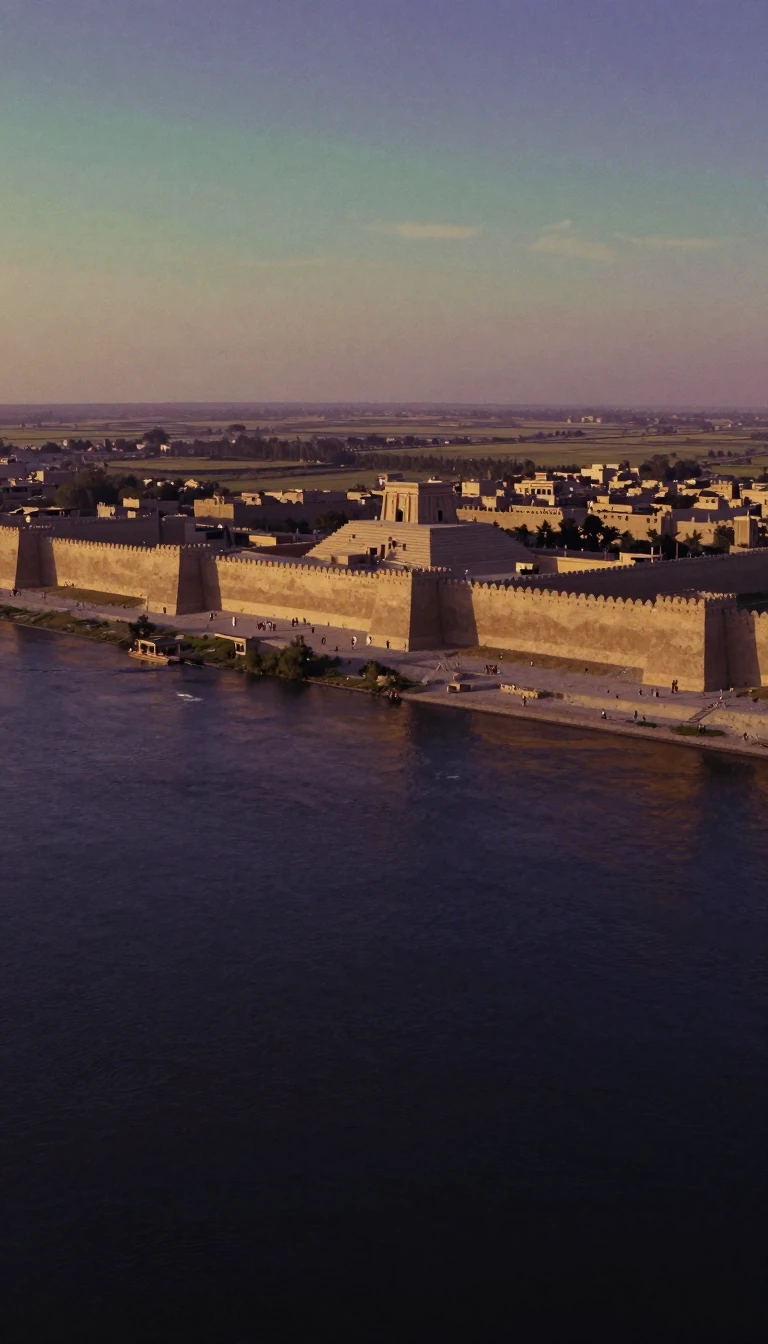
In short: Situated near the borders of Turkey and Iraq, Urmia is a historic Iranian city defined by its multicultural past and agricultural wealth. Once a spiritual hub for Assyrian Christians, it remains a vibrant, ethnically diverse center today, famous for its unique musical traditions and status as the volleyball capital of Iran.
Urmia, the capital of Iran's West Azerbaijan Province, sits at an elevation of 1,330 metres near the shores of Lake Urmia. Its history is deeply layered, with archaeological evidence of settlements dating back to the 20th century BC. Over millennia, the region has been influenced by the Urartu and Manna empires, the Median kingdom, and the Safavid dynasty. By the 19th century, the city had become a significant center for Assyrian culture and a focal point for Christian missionary activity, with figures like Justin Perkins establishing missions as early as 1835.
The city's demographic landscape has shifted dramatically through conflict and migration. Around 1900, Christians comprised over 40% of the population, but the turmoil of World War I and the subsequent genocides led to a massive exodus and loss of life. Today, the city is primarily home to Azerbaijanis, with significant Kurdish, Assyrian, and Armenian minorities. This diversity is reflected in its linguistic landscape, where residents often speak both Persian and their native tongues, and in the city's preserved churches and cathedrals that stand alongside its mosques.
Beyond its complex history, Urmia is a modern cultural powerhouse. It is widely recognized as the volleyball capital of Iran, frequently hosting international tournaments like the FIVB Volleyball Men's Nations League. The city is also the guardian of Urmia Ashik music, a traditional art form considered by experts to be the most original and oldest version of the genre in the world. As a trading center for a fertile region producing apples, grapes, and tobacco, Urmia continues to evolve, balancing its ancient roots with its contemporary identity as a major provincial hub.
Opens the Intellect+ feed with this card first. Swipe up for the next one.
Sources
- Summary by Intellect · source: Urmia
- Also: Wikidata — Urmia · CC0
To cite this card, link to https://intellectplus.co.uk/app/places-urmia.
How we source, check and correct cards: Editorial standards.
General information, not professional advice. Spotted an error? Flag the card or see corrections and complaints.
Intellect Plus is a visual educational discovery platform for exploring fascinating facts and ideas. Brain Food, Not Brain Rot. What is Intellect Plus?
Related
More in Asia · More in Countries & Cities · Latest · A–Z · All topics
