How a peasant's plow revealed a lost civilization and reshaped biblical history
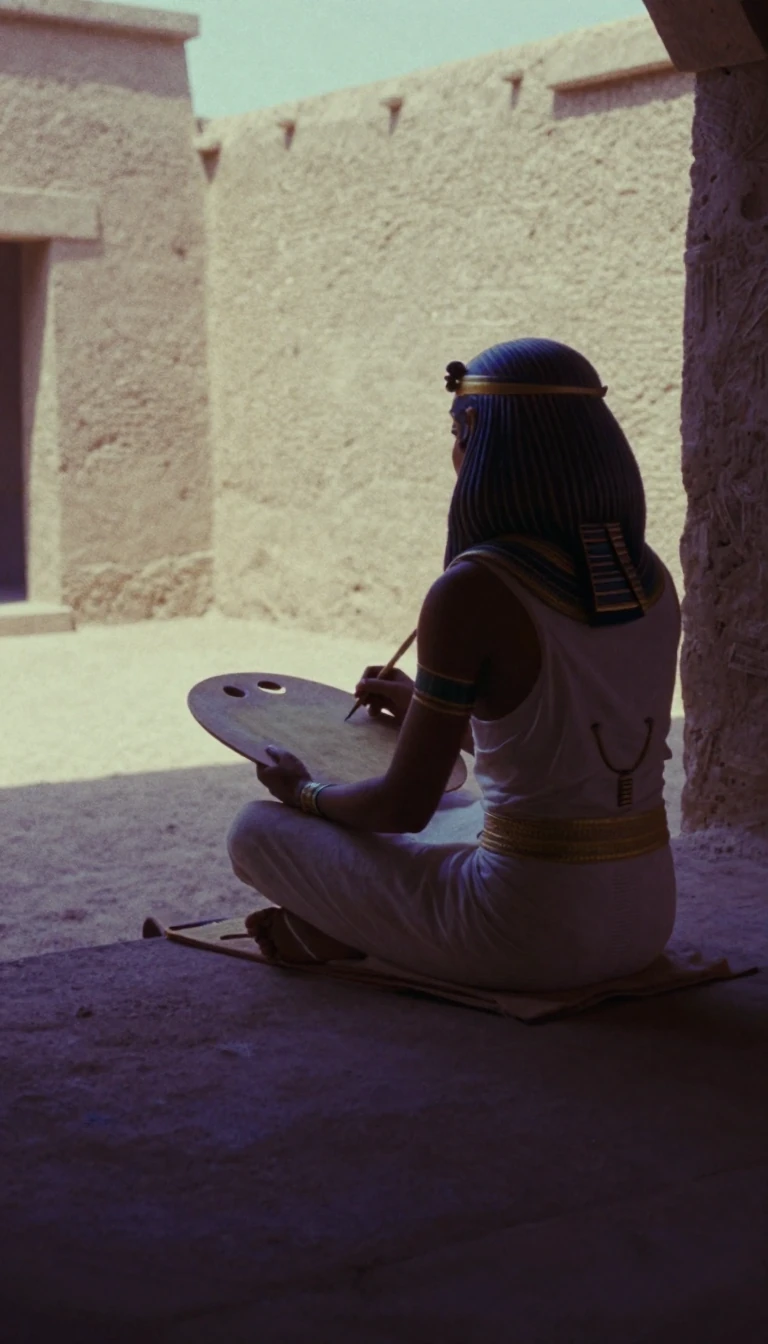
In short: In 1929, a farmer in Syria accidentally unearthed the ruins of Ugarit, a cosmopolitan hub that thrived over 3,000 years ago. This discovery unveiled a unique cuneiform alphabet and a vast library of mythological texts, fundamentally changing how scholars understand the origins of the Hebrew Bible and ancient Canaanite culture.
Located at the Ras Shamra mound on the Syrian coast, Ugarit reached its golden age between approximately 1450 and 1200 BCE. Excavations led by Claude F.A. Schaeffer revealed a city defined by its intense internationalism. The site served as a crossroads for Mediterranean, Mesopotamian, and Anatolian influences, evidenced by the presence of Mycenaean pottery, Babylonian cylinder seals, and Egyptian monuments gifted by pharaohs like Sesostris I and Amenemhet III.
The most startling find was the city's unique cuneiform alphabetic script. Unlike the complex, logographic systems of its neighbors, the Ugaritic alphabet used a simplified set of 30 signs. This innovation, along with a shorter 22-letter version used by traders, provided the earliest evidence of the Levantine alphabetic ordering that would eventually influence Phoenician, Greek, and Latin scripts. Scribes in Ugarit were remarkably multilingual, working in Ugaritic, Akkadian, Sumerian, and Hurrian, while utilizing seven distinct writing systems.
Beyond linguistics, the discovery of palatial and temple libraries—containing epics like the 'Legend of Keret' and the 'Myth of Baal-Aliyan'—offered a direct window into Old Canaanite mythology. These texts have sparked a new appraisal of the Hebrew Bible, as scholars now recognize that many patriarchal narratives were rooted in written traditions predating the biblical accounts. By providing a 'consonantal skeleton' of Northwest Semitic religion, Ugaritic texts have helped resolve long-standing biblical puzzles, such as the identity of the hero Danel, referenced in the Book of Ezekiel.
The city's collapse around 1200 BCE, likely driven by a combination of earthquakes, famines, and the arrival of the Sea Peoples, brought an end to this vibrant culture. However, the thousands of clay tablets recovered from the acropolis continue to provide new insights into the political, social, and economic life of the ancient world, cementing Ugarit's status as one of the most significant archaeological finds of the 20th century.
Opens the Intellect+ feed with this card first. Swipe up for the next one.
Sources
- Summary by Intellect · source: Ugarit | Syria, Map, History, & Tablets | Britannica
- Also: Ugaritic
To cite this card, link to https://intellectplus.co.uk/app/places-ugaritic.
How we source, check and correct cards: Editorial standards.
General information, not professional advice. Spotted an error? Flag the card or see corrections and complaints.
Intellect Plus is a visual educational discovery platform for exploring fascinating facts and ideas. Brain Food, Not Brain Rot. What is Intellect Plus?
Related
More in Historical cities · More in Countries & Cities · Latest · A–Z · All topics
