Why the humble vestibule is architecture's most effective tool for control and comfort
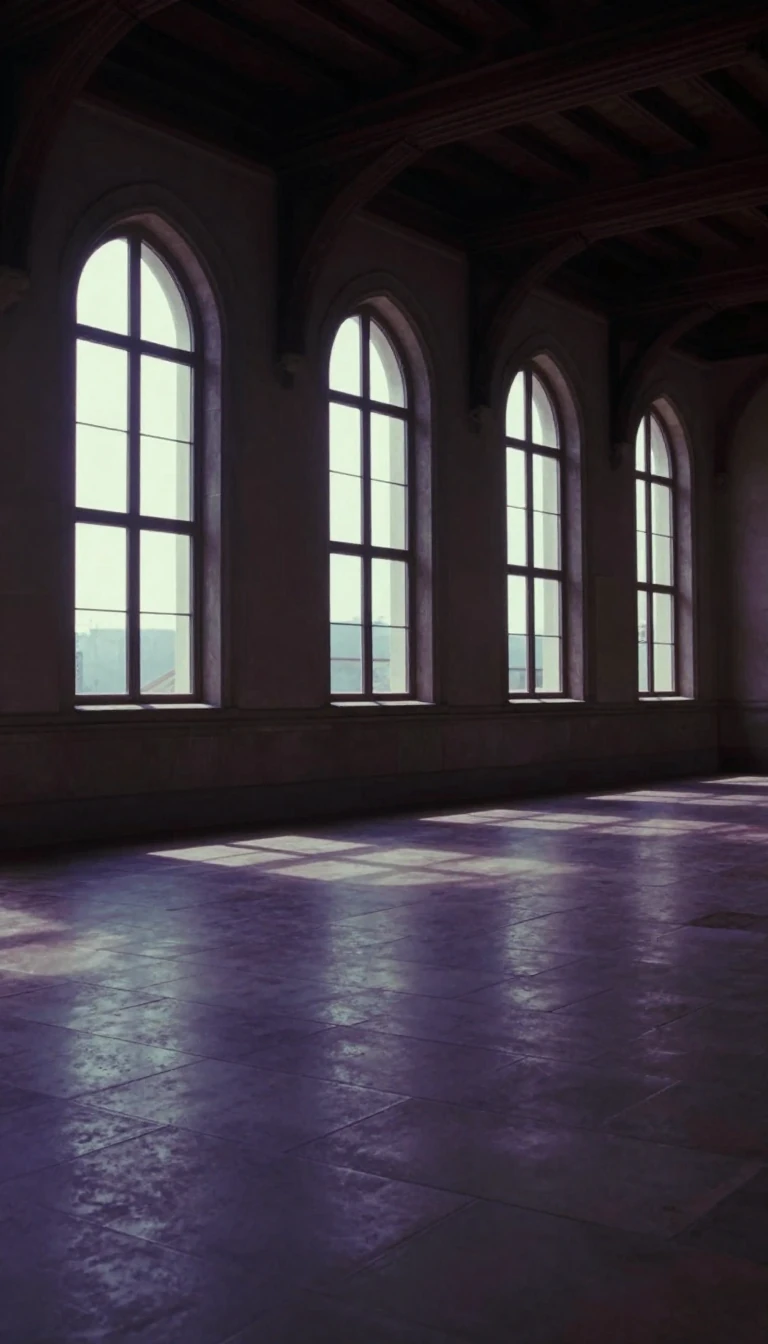
In short: From ancient Roman homes to modern skyscrapers, the vestibule serves as a critical threshold. More than just a waiting area, this transitional space acts as a sophisticated airlock, a security barrier, and a psychological device designed to heighten the grandeur of the interiors that lie just beyond its doors.
The vestibule, or antechamber, has roots in antiquity, serving as a vital buffer between the public street and private life. In ancient Roman houses, the vestibulum functioned as a transitional zone where visitors could receive information before entering the fauces and the atrium. Similarly, ancient Greek homes utilized these spaces to discourage unwanted glances and provide security, often aligning them at right angles to interior rooms to maintain privacy.
Beyond security, the vestibule has long been a tool for architectural theater. In opulent buildings and palaces, designers use the contrast between a small, confined vestibule and a vast, following hall to build anticipation and elicit a sense of grandeur. This technique remains a staple in government architecture, where the transition from a cramped entry to a sprawling space emphasizes the scale and importance of the structure.
In modern times, the vestibule has evolved into a highly functional engineering component. A 2012 report from a federal energy agency highlights its role in commercial buildings, where it acts as an airlock to minimize heat loss and drafts. By requiring that only one set of doors be open at a time, these structures conserve energy and improve comfort for occupants, a practice now standard in buildings exceeding 3,000 square feet.
The concept transcends stationary architecture, appearing in railway cars as enclosed areas that allow for safe passage between coupled carriages. Whether it is the narthex of a Christian church, the genkan of a Japanese home, or a temporary winter enclosure for a New York City restaurant, the vestibule remains a versatile, enduring solution for managing the boundary between the outside world and the interior.
Opens the Intellect+ feed with this card first. Swipe up for the next one.
Sources
- Summary by Intellect · source: Vestibule (architecture)
To cite this card, link to https://intellectplus.co.uk/app/places-vestibule-architecture.
How we source, check and correct cards: Editorial standards.
General information, not professional advice. Spotted an error? Flag the card or see corrections and complaints.
Intellect Plus is a visual educational discovery platform for exploring fascinating facts and ideas. Brain Food, Not Brain Rot. What is Intellect Plus?
Related
More in Historical cities · More in Countries & Cities · Latest · A–Z · All topics
