How a Catastrophic Volcanic Eruption Created a Sanctuary for Java’s Most Endangered Species
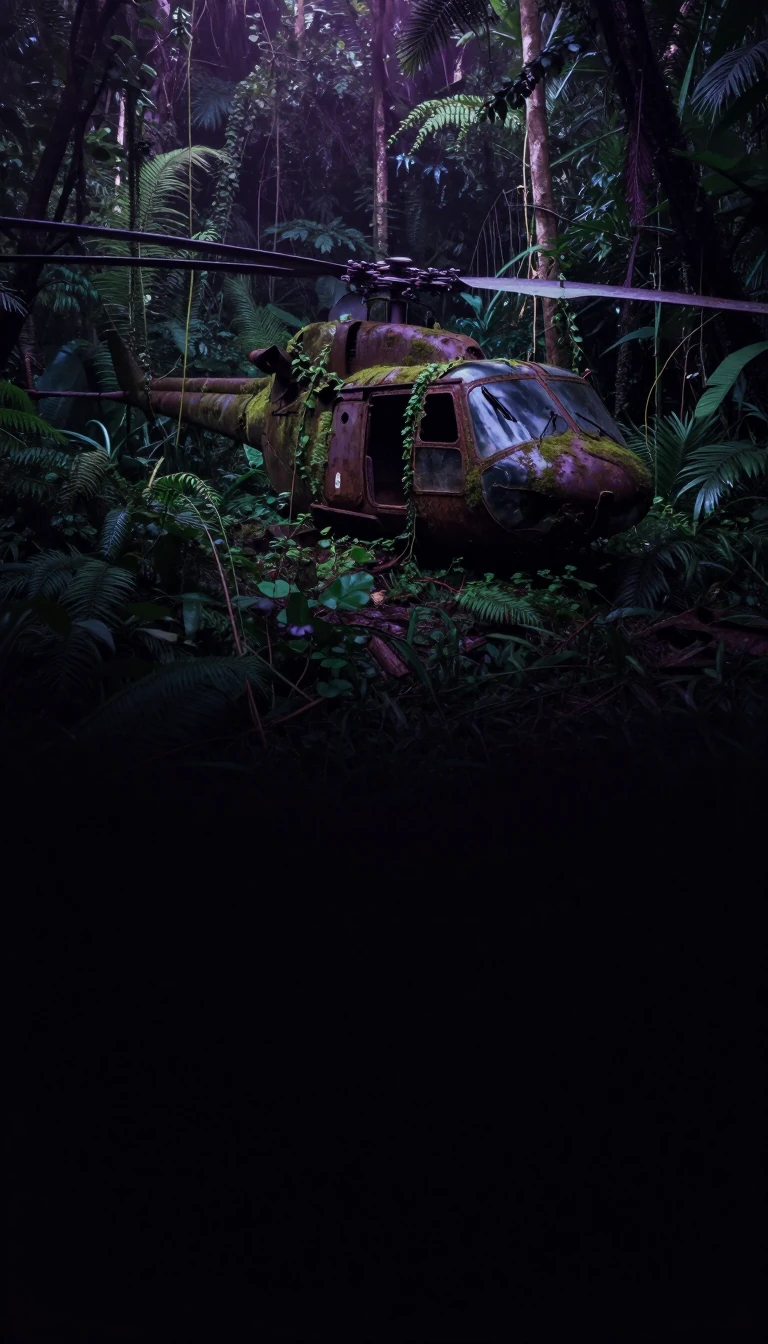
In short: When Mount Krakatoa erupted in 1883, it unleashed a fifteen-meter tsunami that devastated the Ujung Kulon peninsula. Yet, from the thick layer of volcanic ash, a resilient ecosystem emerged. Today, this remote corner of Java serves as the final, critical refuge for the world’s rarest rhinoceros population.
Located at the westernmost tip of Java, Ujung Kulon National Park encompasses the Ujung Kulon peninsula, the Gunung Honje mountain range, and surrounding islands. The area was first introduced to the Western world in 1846 by the Dutch-German botanist Franz W. Junghuhn. While historical records before the 1883 Krakatoa eruption are sparse, the event fundamentally reshaped the landscape. The eruption and subsequent tsunami destroyed local settlements and blanketed the region in 30 centimeters of volcanic ash. Despite this destruction, the area underwent a rapid recovery, eventually becoming a vital repository for Java’s lowland rainforests and diverse wildlife.
Conservation efforts began during the Dutch East Indies colonial era, with Pulau Panaitan designated as a nature reserve in 1921. Over the following decades, the protected status expanded to include the peninsula and parts of the Gunung Honje range. It was officially declared a national park in 1992, one year after being recognized as a UNESCO World Heritage Site for its lowland rainforests and its status as the last home of the Javan rhinoceros. In 2005, it also earned the designation of an ASEAN Heritage Park.
The park is currently the only known habitat for the critically endangered Javan rhino, following the extinction of the population in Vietnam. Monitoring these animals is a precise science; researchers identify individuals by their unique skin wrinkles around the eyes using motion-sensor cameras. While the population was estimated at 40 to 60 individuals in the 1980s, recent counts suggest approximately 82 rhinos remain. However, the conservation program faces ongoing challenges, such as the rapid spread of the Arenga palm, which crowds out the undergrowth and starves the rhinos of their necessary food supply. Efforts to manage this vegetation and protect the remaining habitat are essential to the survival of the species.
Opens the Intellect+ feed with this card first. Swipe up for the next one.
Sources
- Summary by Intellect · source: Ujung Kulon National Park
- Also: Wikidata — Ujung Kulon National Park · CC0
To cite this card, link to https://intellectplus.co.uk/app/places-ujung-kulon-national-park.
How we source, check and correct cards: Editorial standards.
General information, not professional advice. Spotted an error? Flag the card or see corrections and complaints.
Intellect Plus is a visual educational discovery platform for exploring fascinating facts and ideas. Brain Food, Not Brain Rot. What is Intellect Plus?
Related
More in World Heritage Sites · More in Countries & Cities · Latest · A–Z · All topics
