Why Namibia's ancient rock art site is named after a farmer's doubtful spring
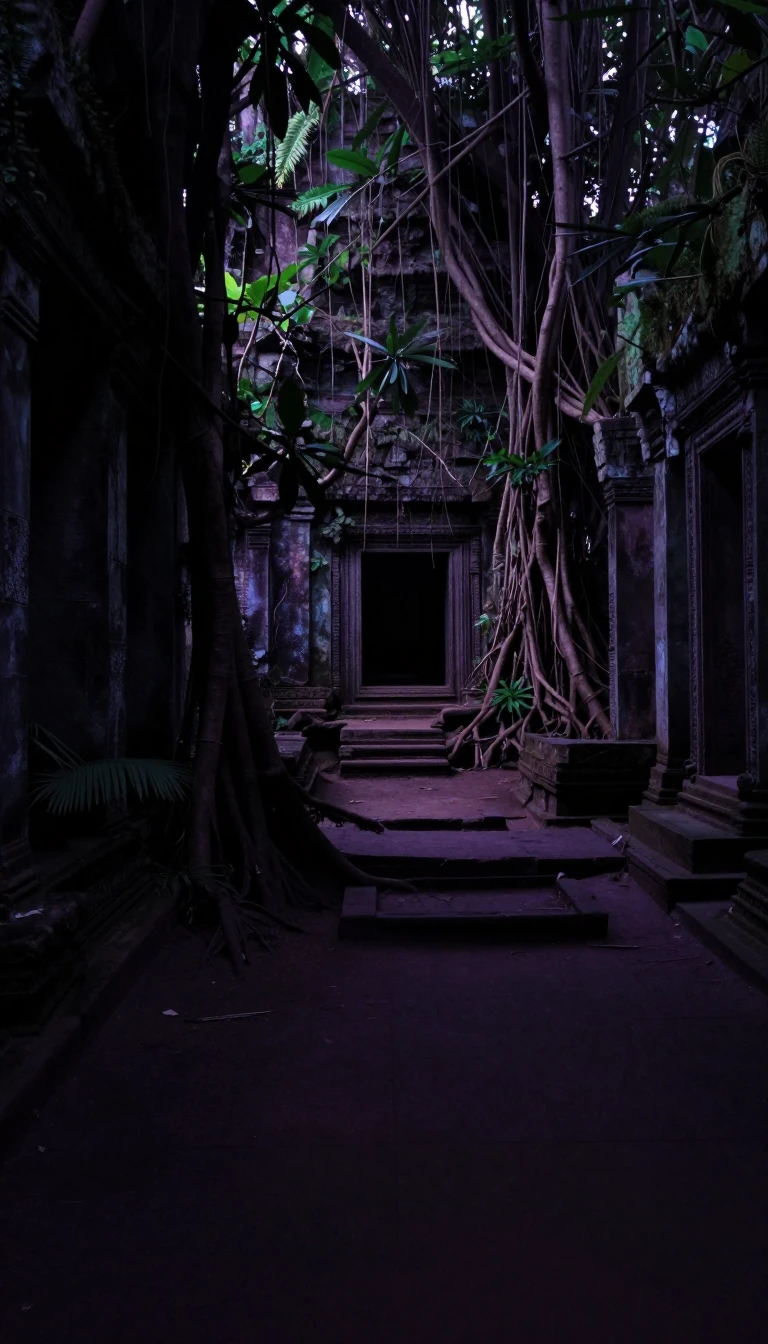
In short: Twyfelfontein, a UNESCO World Heritage Site in Namibia, holds one of Africa's largest concentrations of rock engravings. While the name implies an uncertain water source, the valley has served as a sacred site for shamanist rituals for 6,000 years, featuring thousands of petroglyphs created by hunter-gatherers and Khoikhoi herders.
The site, officially known as ǀUi-ǁAis or 'jumping waterhole,' earned its modern name from David Levin, a farmer who settled the area in 1948. Struggling to extract enough water from the local spring to sustain his family and herd, Levin’s doubts about the water supply led a friend to jokingly call him 'David Twyfelfontein.' The name, translating to 'uncertain' or 'questionable' spring, stuck, even though the site’s true significance lies in its deep archaeological history rather than its hydrology.
Archaeological evidence suggests the valley has been inhabited for 6,000 years, beginning with Wilton stone age hunter-gatherers. These early inhabitants created the majority of the site’s iconic engravings, which include depictions of animals like rhinoceroses, elephants, and giraffes, as well as the 'Lion Man,' a figure representing human-animal transformation. Later, around 2,000 to 2,500 years ago, Khoikhoi herders arrived, contributing geometric pictograms and practical indentations used for grinding or as game boards. These engravings were made by chiseling through 'desert varnish,' a dark patina on the sandstone, to reveal the lighter rock beneath.
While early researchers like Ernst Rudolph Scherz once suggested the art depicted coastal animals like penguins or sea lions, modern surveys by archaeologists like Sven Ouzman have challenged these interpretations, suggesting the figures are likely local fauna rendered in a stylized manner. The site’s shamanist purpose is supported by the fact that excavated food remains consist of small antelope and lizards, rather than the large animals prominently featured in the carvings. Today, the site is protected under the National Heritage Act and was designated Namibia's first World Heritage Site in 2007, though UNESCO has raised concerns regarding the impact of tourism infrastructure on the integrity of the engravings.
Opens the Intellect+ feed with this card first. Swipe up for the next one.
Sources
- Summary by Intellect · source: Twyfelfontein
- Also: Wikidata — Twyfelfontein · CC0
To cite this card, link to https://intellectplus.co.uk/app/places-twyfelfontein.
How we source, check and correct cards: Editorial standards.
General information, not professional advice. Spotted an error? Flag the card or see corrections and complaints.
Intellect Plus is a visual educational discovery platform for exploring fascinating facts and ideas. Brain Food, Not Brain Rot. What is Intellect Plus?
Related
More in World Heritage Sites · More in Countries & Cities · Latest · A–Z · All topics
