From a small 1878 divinity school to a global research powerhouse in London, Ontario.
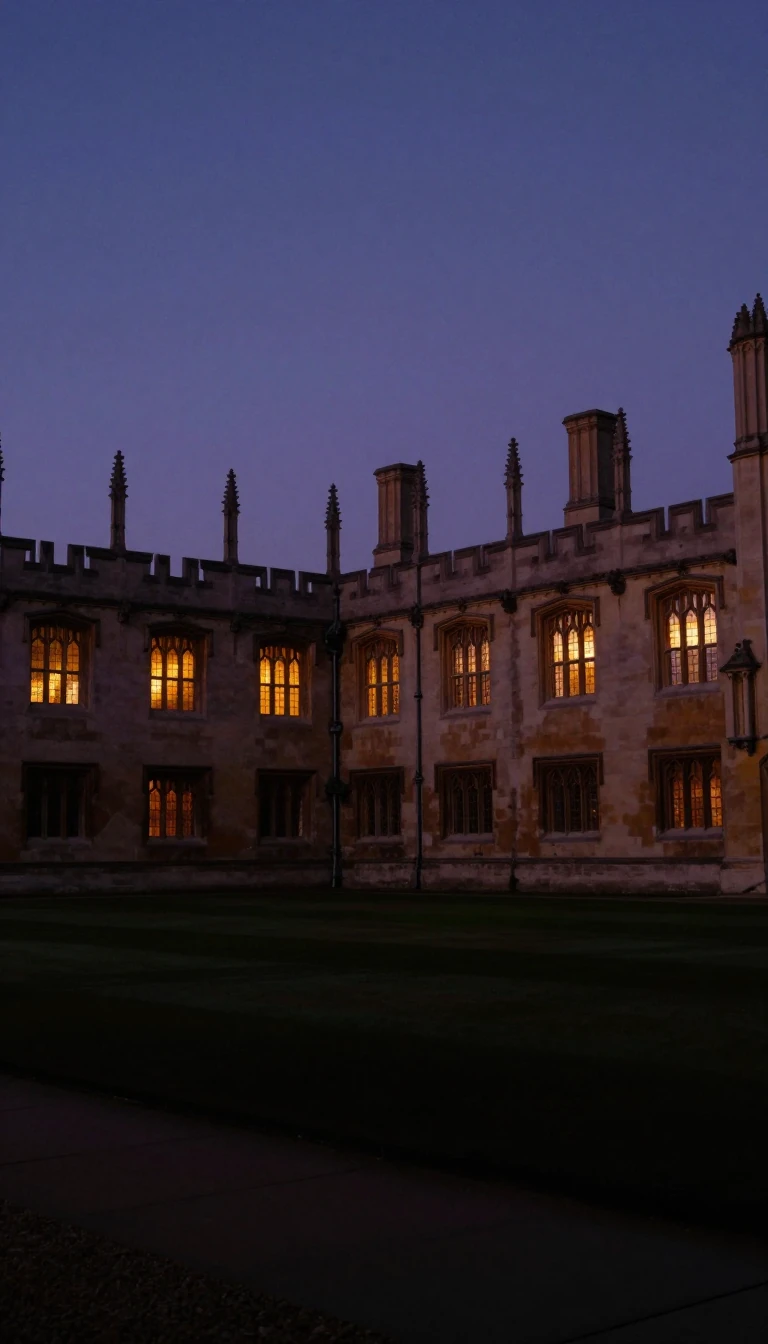
In short: Founded by an Anglican bishop, Western University has evolved from a modest local college into a distinguished member of Canada's U15 research group. Today, it spans hundreds of hectares, houses millions of books, and operates world-first facilities like a hexagonal wind tunnel designed to simulate the physics of destructive tornadoes.
Established on March 7, 1878, by Bishop Isaac Hellmuth, the institution began as The Western University of London, Ontario. Initially focused on divinity, arts, law, and medicine, it started with just 15 students in 1881. The university underwent a significant transformation in 1908 when it became non-denominational, eventually growing into a major research hub following the post-World War II era. By 2012, the school rebranded as Western University to project a more international identity, though its legal name remains The University of Western Ontario.
The campus is a blend of architectural history and cutting-edge science. While the 1924 Collegiate Gothic buildings like University College serve as the university's focal point, the institution now manages vast research parks. One notable facility is the WindEEE Dome, the world's first hexagonal wind tunnel, which allows scientists to test structural integrity against high-intensity wind systems like downbursts and tornadoes. This commitment to research is backed by substantial funding; in 2017, the university secured $249.669 million in external sponsored research income, with the federal government providing 46 percent of that budget.
Western’s academic structure is expansive, operating eleven faculties and schools, including the renowned Ivey Business School and the Schulich School of Medicine & Dentistry. The university also maintains a massive library system, which held over 6.11 million books as of September 2025. Governance is split between a Board of Governors, responsible for financial management, and a Senate, which oversees academic policy. With over 306,000 living alumni worldwide, the university continues to influence global research, consistently ranking among the top 1 percent of higher education institutions globally.
The university's relationship with its affiliated colleges has also shifted over time. While institutions like Huron and King's remain independent partners, others have integrated or reorganized. Notably, Brescia University College, Canada's last remaining women's college, ceased operations in 2024 and was integrated into the main campus. This evolution reflects Western's broader strategy of centralizing academic resources while maintaining its historical ties to the London, Ontario region.
Opens the Intellect+ feed with this card first. Swipe up for the next one.
Sources
- Summary by Intellect · source: University of Western Ontario
- Also: Wikidata — University of Western Ontario · CC0
- Also: Wikidata — University of Western Ontario Libraries · CC0
To cite this card, link to https://intellectplus.co.uk/app/places-university-of-western-ontario.
How we source, check and correct cards: Editorial standards.
General information, not professional advice. Spotted an error? Flag the card or see corrections and complaints.
Intellect Plus is a visual educational discovery platform for exploring fascinating facts and ideas. Brain Food, Not Brain Rot. What is Intellect Plus?
Related
More in Countries and other regions · More in Countries & Cities · Latest · A–Z · All topics
