Was the cradle of pharaonic civilization actually a southern African cultural and genetic powerhouse?
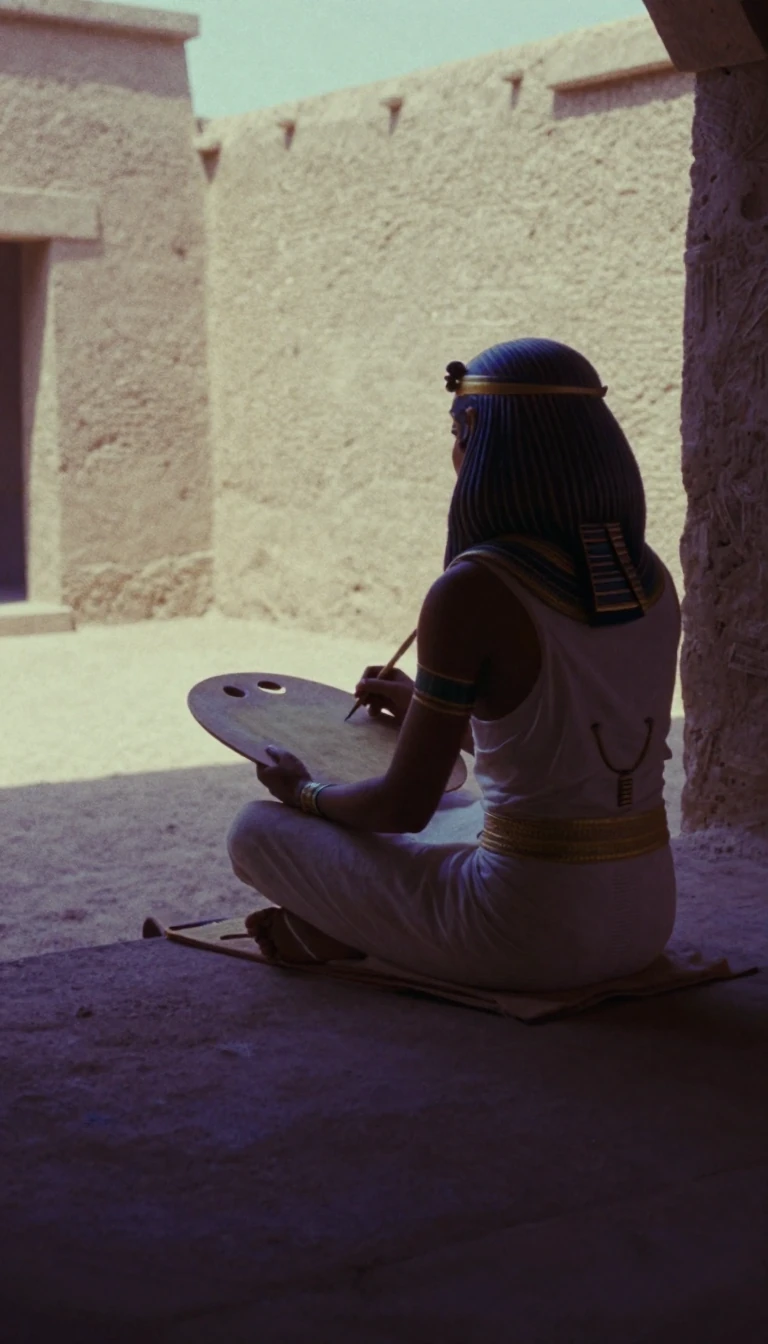
In short: Long viewed through a northern lens, Upper Egypt is now being re-evaluated by scholars. Recent archaeological and genetic evidence suggests a southward-to-northward movement of peoples and cultural influence, challenging traditional narratives of civilization flowing from the Mediterranean. This region, once the Land of Reeds, holds the keys to Egypt's origins.
Upper Egypt, known anciently as the Land of Reeds, spans the Nile Valley from the 30th parallel north down to Lake Nasser. While Middle Egypt occupies the northern portion of this stretch, the region served as the administrative and symbolic heart of pharaonic power. Its rulers, likely from the Thinite Confederacy, united the Nile Valley during the Naqada III period, roughly 3200 to 3000 BC, establishing a sovereignty that defined the Early Dynastic era.
Modern scholarship has shifted significantly regarding the origins of this civilization. Historian Alain Anselin, reviewing UNESCO research in 2025, noted that the traditional view of a northern civilizing wave has been displaced by evidence of a unifying movement from the south. This perspective aligns with the work of Cheikh Anta Diop, who sought to restore Egypt to its southern African hinterland. Studies in genetics and anthropology, including work by S.O.Y. Keita and others, frequently highlight the biological affinities between predynastic Upper Egyptians and populations in the Sahara, Sudan, and tropical Africa.
The region's complexity is further illustrated by sites like Nabta Playa, which shares ceremonial architectural features with structures in Ethiopia, Senegal, and West Africa. While some researchers, such as Joel Irish, emphasize the distinctiveness of Nile Valley populations through dental morphology, they also confirm biological continuity from the dynastic to post-pharaonic periods. The region was not isolated; it was a dynamic intersection where trade, migration, and genetic exchange along the Nile fostered a unique, enduring cultural identity that remained true to its southern roots even as the society grew in complexity.
Opens the Intellect+ feed with this card first. Swipe up for the next one.
Sources
- Summary by Intellect · source: Upper Egypt
- Also: Wikidata — Upper Egypt · CC0
- Also: Wikidata — Upper Egypt · CC0
To cite this card, link to https://intellectplus.co.uk/app/places-upper-egypt.
How we source, check and correct cards: Editorial standards.
General information, not professional advice. Spotted an error? Flag the card or see corrections and complaints.
Intellect Plus is a visual educational discovery platform for exploring fascinating facts and ideas. Brain Food, Not Brain Rot. What is Intellect Plus?
Related
More in Countries and other regions · More in Countries & Cities · Latest · A–Z · All topics
