Iceland's massive glacial park hides active volcanoes and vast, shifting landscapes beneath the ice.
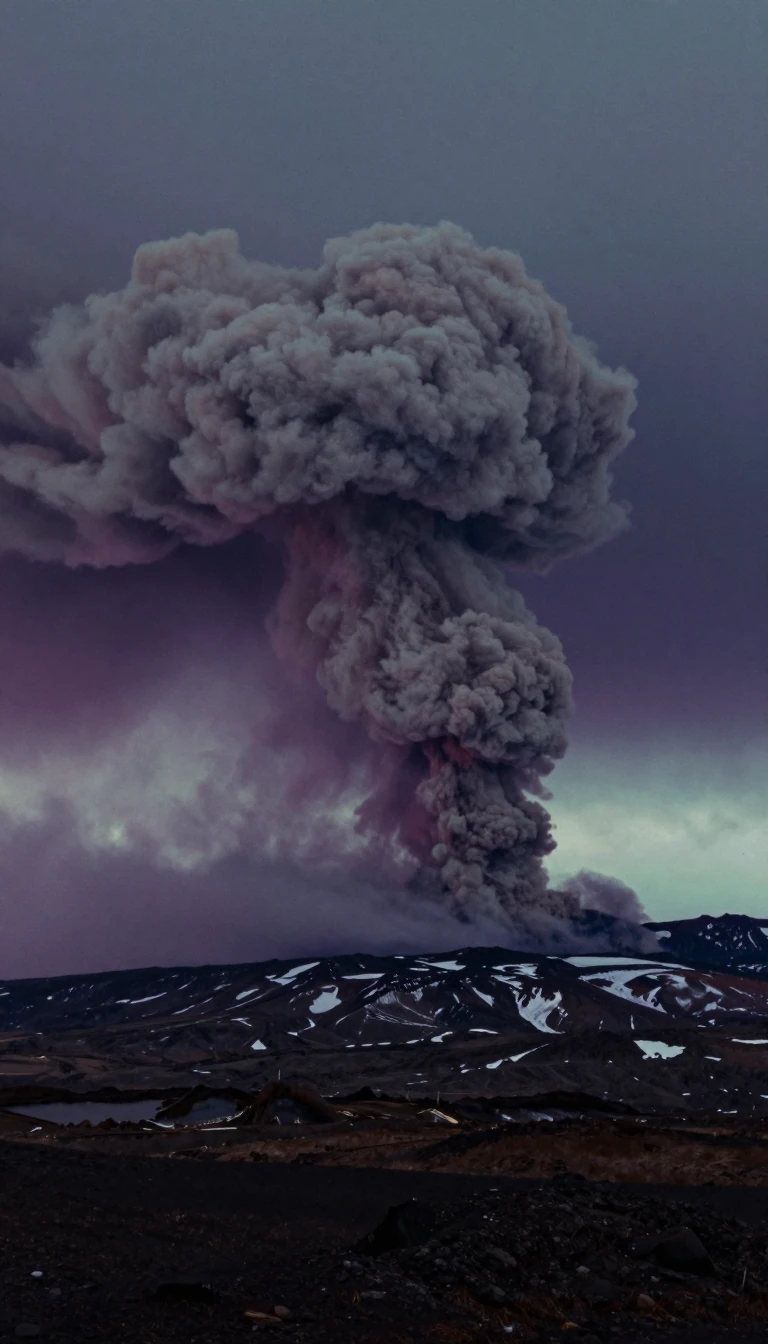
In short: Spanning 14 percent of Iceland, Vatnajökull National Park is a colossal wilderness defined by the volatile interplay of fire and ice. It protects Europe's second-largest national park area, where ancient glaciers conceal active volcanoes, deep canyons, and expansive plateaus that remain largely inaccessible during the harsh winter months.
Established on 7 June 2008, the park has grown significantly through strategic additions like Jökulsárlón and Lakagígar, now covering 14,967 square kilometres. At its heart lies the Vatnajökull ice cap, the largest glacier in Europe outside the Arctic region. This massive frozen expanse reaches thicknesses of up to 950 metres, burying entire mountain ranges and plateaus beneath its weight. The glacier is not merely a static feature; it is a dynamic force that feeds powerful rivers and carves the surrounding terrain through frequent glacial floods known as jökulhlaups.
The park's geology is defined by extreme contrasts. Beneath the ice, central volcanoes like the highly active Grímsvötn and the massive Bárðarbunga remain dormant yet potent. The surrounding landscape features dramatic volcanic formations, including the Askja caldera and the towering table mountain Herðubreið. This region has witnessed some of history's most significant eruptions, such as the fissure events at Eldgjá in 934 and the devastating Lakagígar eruptions of 1783–1784. These geological events have shaped the black ash sands and rugged canyons that define the park's unique topography.
Climate within the park varies wildly due to its vast range of elevations and the foehn wind phenomenon. While the southern lowlands experience relatively mild winters and high precipitation, the high-altitude ice cap endures extreme cold, with temperatures occasionally plummeting to -30 degrees Celsius. This harsh environment creates a complex ecosystem, providing vital habitats for reindeer and pink-footed geese in the eastern wetlands. Inscribed as a World Heritage Site in 2019, the park is managed across four distinct territories, each offering unique insights into the raw, elemental forces that continue to sculpt the Icelandic landscape.
Opens the Intellect+ feed with this card first. Swipe up for the next one.
Sources
- Summary by Intellect · source: Vatnajökull National Park
- Also: Wikidata — Vatnajökull National Park · CC0
- Also: Wikidata — Vatnajökull National Park - Dynamic Nature of Fire and Ice · CC0
To cite this card, link to https://intellectplus.co.uk/app/places-vatnaj-kull-national-park.
How we source, check and correct cards: Editorial standards.
General information, not professional advice. Spotted an error? Flag the card or see corrections and complaints.
Intellect Plus is a visual educational discovery platform for exploring fascinating facts and ideas. Brain Food, Not Brain Rot. What is Intellect Plus?
Related
More in World Heritage Sites · More in Countries & Cities · Latest · A–Z · All topics
