Iceland is a geological paradox, sitting atop a volatile rift between two tectonic plates.
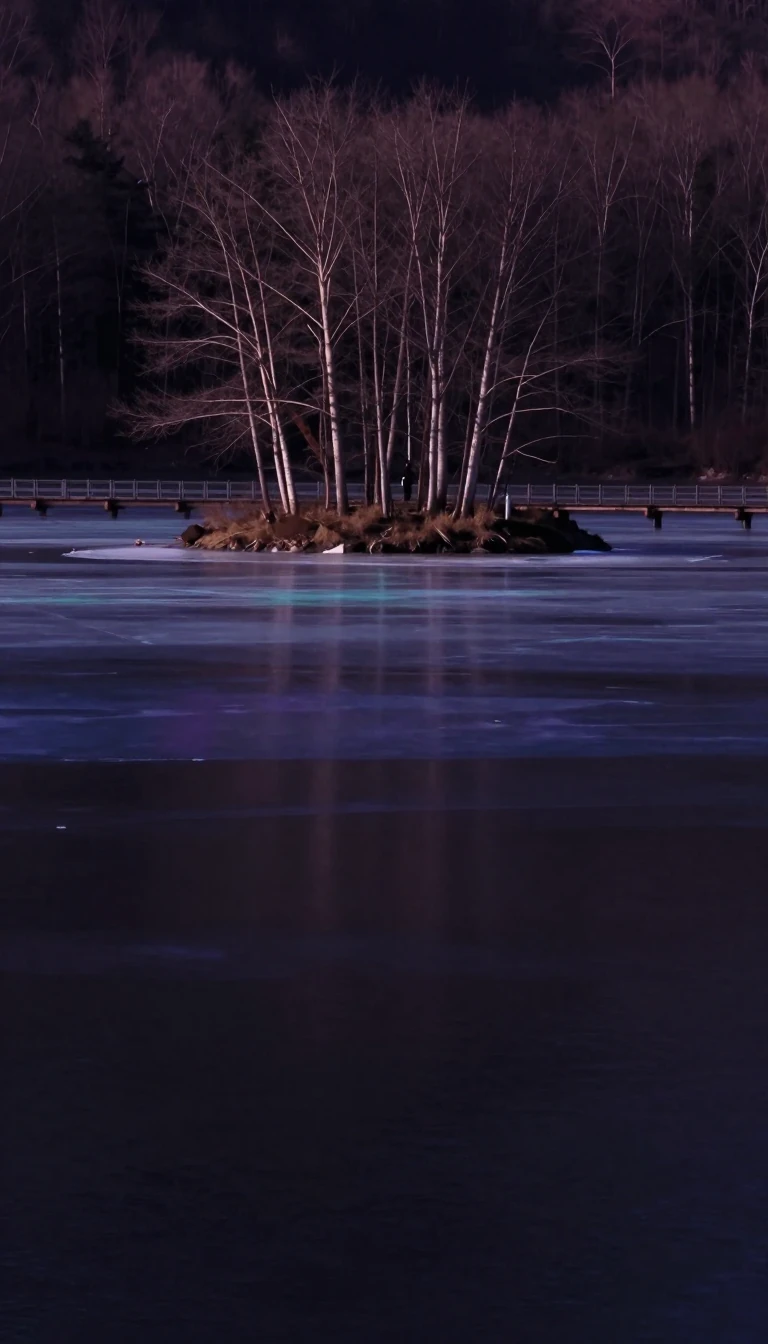
In short: Iceland is not just a remote island; it is a living laboratory of Earth's internal forces. Straddling the Mid-Atlantic Ridge, this volcanic landscape accounts for roughly one-third of the planet's total lava flow since 1500. It is a land where glaciers and active volcanoes coexist in a constant, dramatic struggle.
Iceland’s existence is defined by its position on the Mid-Atlantic Ridge, the active geologic border separating the North American and Eurasian tectonic plates. This location makes the island a global hotspot for volcanic activity, containing approximately 200 volcanoes of various types. The interior is largely a mountainous lava desert, with the Highlands covering about half of the country's total land area. This terrain is geologically young and remains largely uninhabitable, reflecting the raw, ongoing formation of the island.
The interplay between fire and ice is central to Iceland's geography. Glaciers cover about 10 percent of the land, with Vatnajökull—the country's largest glacier—possessing an area equal to all glaciers on the European continent combined. These ice fields often sit directly above volcanic systems. When eruptions occur, such as the 2010 event at Eyjafjallajökull, the resulting ash plumes can disrupt international air travel for days. Other eruptions, like those in the Krafla area between 1975 and 1984, have directly impacted geothermal energy projects, highlighting the tension between the island's natural volatility and its modern infrastructure.
Despite its proximity to the Arctic Circle, Iceland maintains a temperate climate thanks to the offshore Gulf Stream. This warmth allows for year-round hothouse agriculture, powered by the island's abundant geothermal geysers. The population, concentrated heavily in coastal urban centers like Reykjavík, has adapted to this environment over more than 1,000 years. While the country is modern and integrated into the European mainstream, the landscape remains a powerful influence on the national identity, where the memory of a mythical past and the reality of a shifting, volcanic earth continue to shape daily life.
Opens the Intellect+ feed with this card first. Swipe up for the next one.
Sources
- Summary by Intellect · source: Iceland | History, Maps, Flag, Population, Climate, & Facts | Britannica
- Also: Geography of Iceland
To cite this card, link to https://intellectplus.co.uk/app/science-geography-of-iceland.
How we source, check and correct cards: Editorial standards.
General information, not professional advice. Spotted an error? Flag the card or see corrections and complaints.
Intellect Plus is a visual educational discovery platform for exploring fascinating facts and ideas. Brain Food, Not Brain Rot. What is Intellect Plus?
Related
More in Scientific discoveries · More in Science · Latest · A–Z · All topics
