The final great monument to the missing of the First World War stands in France.
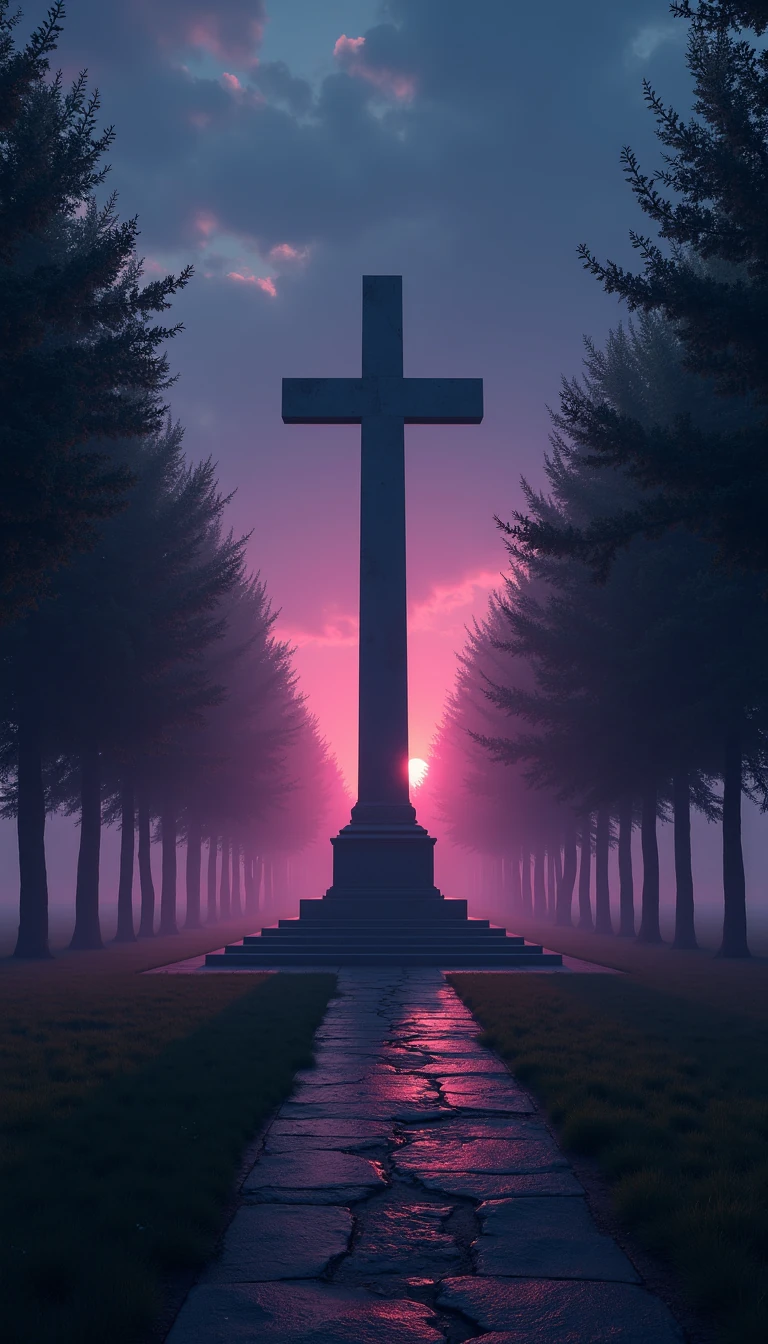
In short: Perched in the Somme, the Australian National Memorial at Villers-Bretonneux serves as the primary tribute to thousands of soldiers lost on the Western Front. Unveiled just before the Second World War, this striking tower remains a site of solemn remembrance, watching over the graves of those with no known resting place.
The memorial commemorates the Australian Imperial Force's role in the Second Battle of Villers-Bretonneux, fought between 24 and 27 April 1918. It serves as the central site for honoring the 10,773 Australian personnel who died on the Western Front between 1916 and the war's conclusion but lack a known grave. The project's origins trace back to 1923, when the Australian government approved a proposal by Lieutenant General Sir Talbot Hobbs to build a national monument in the area. A 1925 design competition initially favored Melbourne architect William Lucas, but his plans were later shelved by the Scullin government in 1930 due to the Great Depression and aesthetic concerns.
Following intervention by Sir Fabian Ware of the Imperial War Graves Commission in 1935, a new, more economical design was commissioned from Sir Edwin Lutyens. Unlike the original requirement for Australian stone, this version utilized French materials. Construction proceeded through 1936 and 1937, culminating in an unveiling ceremony on 22 July 1938. King George VI presided over the event, joined by French President Albert Lebrun and Australian deputy prime minister Earle Page. The King famously remarked that the tower would keep 'watch and ward' over the fallen. It was the last of the major memorials to the missing of the Great War to be completed.
Today, the site is maintained by the Commonwealth War Graves Commission and remains a focal point for Anzac Day commemorations. Every 25 April, a dawn service is held at 5.30am to honor the sacrifice of those listed on the memorial's walls. The landscape has evolved over time; the original 60 hornbeam trees planted in 1928 were replaced in 2009 to prepare for the 2018 centenary. In April 2018, the Sir John Monash Centre opened behind the memorial to provide further historical context, ensuring the legacy of the Australian forces continues to be understood by new generations.
Opens the Intellect+ feed with this card first. Swipe up for the next one.
Sources
- Summary by Intellect · source: Villers-Bretonneux Australian National Memorial
To cite this card, link to https://intellectplus.co.uk/app/places-villers-bretonneux-australian-national-memorial.
How we source, check and correct cards: Editorial standards.
General information, not professional advice. Spotted an error? Flag the card or see corrections and complaints.
Intellect Plus is a visual educational discovery platform for exploring fascinating facts and ideas. Brain Food, Not Brain Rot. What is Intellect Plus?
Related
More in History · Latest · A–Z · All topics
