The white grape that almost vanished is now a global winemaking star
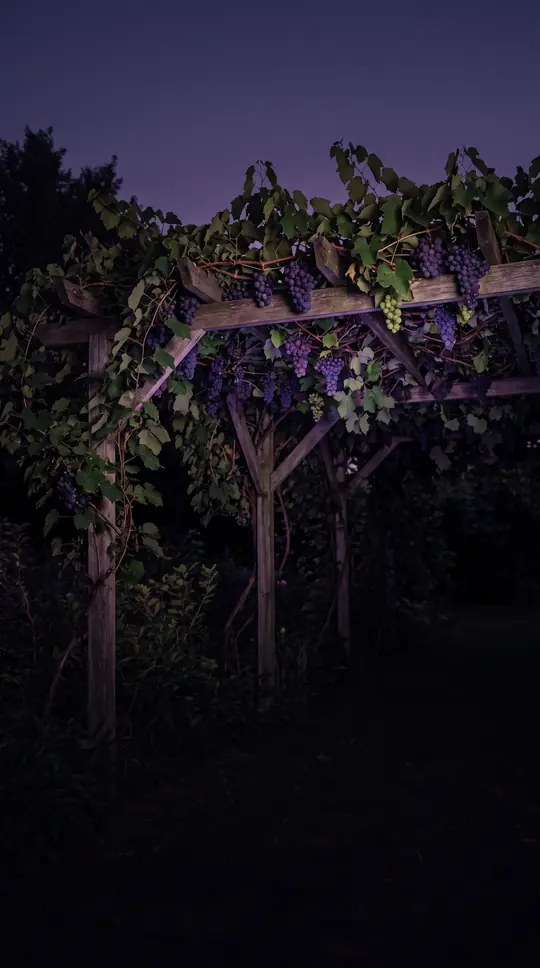
In short: Once nearly extinct, the Viognier grape has staged a remarkable recovery. Known for its lush, aromatic profile of peach and violets, this temperamental variety requires precise viticulture and skilled handling. From its historic roots in the Rhône Valley to modern vineyards worldwide, it remains a fascinating puzzle for winemakers.
Viognier is a white wine grape variety with an obscure history. Legends suggest it was brought to the Rhône Valley by the Roman emperor Probus in 281 AD, or that it was captured by outlaws on a cargo ship. Its name may derive from the city of Vienne or from a Roman phrase meaning the Road of the Valley of Hell, alluding to the difficulty of cultivating the vine. By 1965, the variety was nearly extinct, with only about 30 acres remaining in France due to the impact of phylloxera insects and the chaos of World War I.
The grape is notoriously difficult to grow, as it is prone to powdery mildew and produces low, unpredictable yields. It requires a long, warm growing season to ripen fully, yet excessive heat can cause it to develop high sugar levels before its signature aromatic notes emerge. Winemakers must exercise significant skill, as the grape's delicate aromatics—including peach, pear, and minerality—are easily destroyed by oxygen exposure. In the Northern Rhône, the Mistral wind plays a vital role by cooling the vines after the intense summer heat.
Today, Viognier is planted extensively across the globe, with significant acreage in California and Australia. Experts have identified two distinct strains: an Old World strain common in Condrieu and a New World strain found in the Languedoc. While often produced as a dry, full-bodied white wine, it is also used in red wine blends, such as in the Côte-Rôtie, where it helps stabilize color and enhance perfume. Because it typically loses its unique floral character after three years, most Viognier is intended to be consumed young, though some styles can age for up to a decade.
Opens the Intellect+ feed with this card first. Swipe up for the next one.
Sources
- Summary by Intellect · source: Viognier
- Also: Wikidata — Viognier · CC0
To cite this card, link to https://intellectplus.co.uk/app/places-viognier.
How we source, check and correct cards: Editorial standards.
General information, not professional advice. Spotted an error? Flag the card or see corrections and complaints.
Intellect Plus is a visual educational discovery platform for exploring fascinating facts and ideas. Brain Food, Not Brain Rot. What is Intellect Plus?
Related
More in Mountain peaks and volcanos · More in Countries & Cities · Latest · A–Z · All topics
