The wild white grape that mastered the art of global adaptation
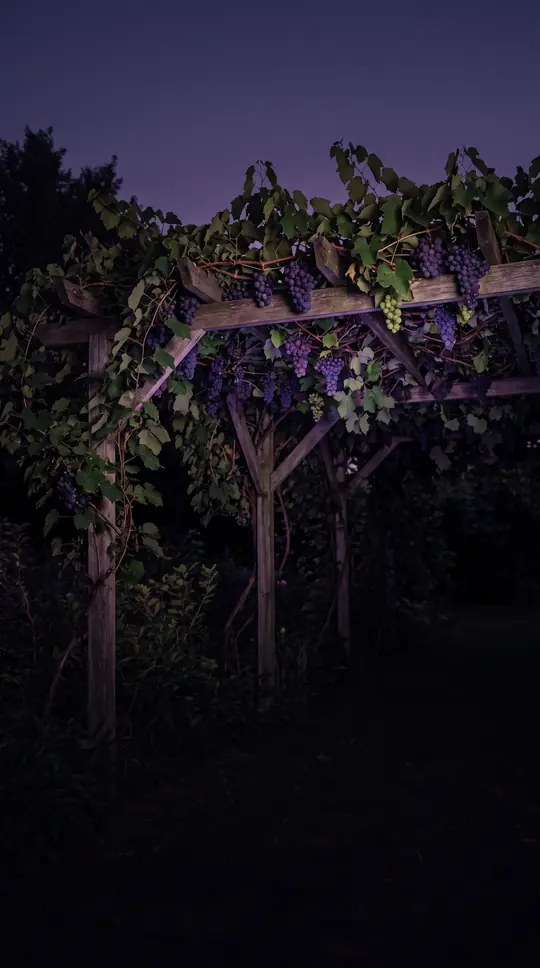
In short: From its origins as a "wild" French vine to becoming a global powerhouse, Sauvignon blanc is a master of climate. It can pivot from aggressively grassy and herbal to lush and tropical, depending entirely on the soil and temperature of its home.
The name Sauvignon blanc likely stems from the French words "sauvage" (wild) and "blanc" (white), reflecting its origins as an indigenous grape in South West France. While its exact lineage is debated, research suggests it may be a descendant of Savagnin. It has a storied history: first recorded in 1534 by Francois Rabelais, it eventually paired with Cabernet Franc in the 18th century to parent the famous Cabernet Sauvignon. Curiously, there is no documented link between this variety and the Loire Valley's Sauvignon rosé mutation.
The grape's versatility is its defining mechanism. In cooler climates, like the Loire Valley or New Zealand's South Island, it produces high-acid wines with "green" notes of grass, bell peppers, and nettles—flavors driven by compounds called methoxypyrazines. In warmer regions like Australia or California, it shifts toward tropical fruit profiles like passion fruit and peach. However, excessive heat can be a risk, potentially leading to over-ripeness that flattens acidity and dulls the aroma.
Geography dictates the nuance. In France, the chalk and Kimmeridgean marl of Sancerre produce rich complexity, while the flinty soils of Pouilly-sur-Loire are credited with a "smoky" gunflint flavor. In New Zealand, the diversity of the Wairau River Valley creates a spectrum of styles based on soil drainage and fertility. Meanwhile, in California, the variety gained a second life in 1968 when Robert Mondavi marketed it as "Fumé Blanc" to tame its aggressive aromas with barrel aging, creating a distinct style from the New Zealand-influenced citrus and grass notes.
While typically consumed young to avoid vegetal notes like peas and asparagus, specific styles like those from Pessac-Léognan or the sweet wines of Sauternes and Barsac possess aging potential. Today, it remains a primary alternative to Chardonnay, flourishing in maritime climates from South Africa to the Niagara Peninsula.
Opens the Intellect+ feed with this card first. Swipe up for the next one.
Sources
- Summary by Intellect · source: Sauvignon blanc
- Also: Wikidata — Sauvignon blanc · CC0
- Also: Wikidata — Sauvignon Blanc · CC0
To cite this card, link to https://intellectplus.co.uk/app/places-sauvignon-blanc.
How we source, check and correct cards: Editorial standards.
General information, not professional advice. Spotted an error? Flag the card or see corrections and complaints.
Intellect Plus is a visual educational discovery platform for exploring fascinating facts and ideas. Brain Food, Not Brain Rot. What is Intellect Plus?
Related
More in Regions and country subdivisions · More in Countries & Cities · Latest · A–Z · All topics
