A hidden mountain sanctuary in the UAE holds secrets of the Arabian wilderness
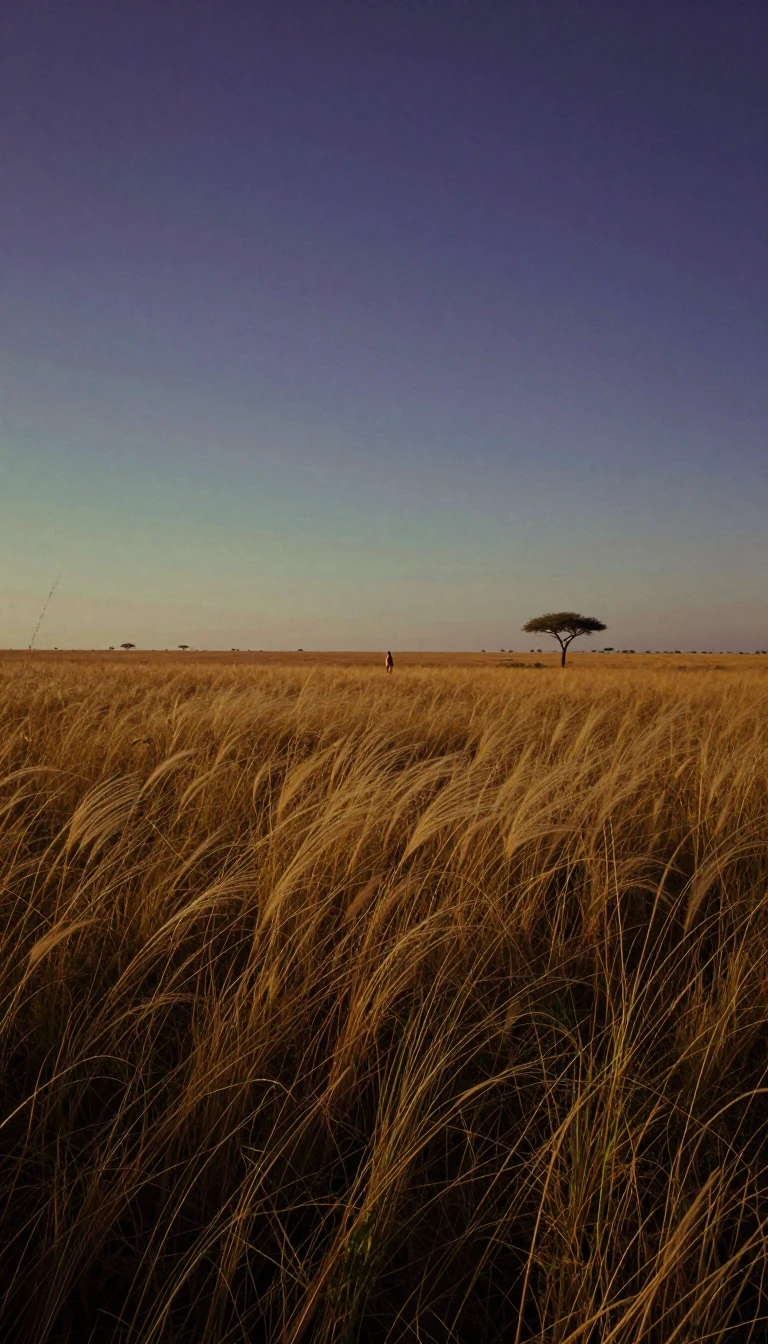
In short: Tucked between Masafi, Khor Fakkan, and Bidiyah lies Wadi Wurayah, a 12,700-hectare mountain refuge. Once a quiet valley, it has evolved into a vital Ramsar Wetland and a UNESCO World Heritage Site, acting as one of the final strongholds for endangered species that have vanished from much of the surrounding desert landscape.
Wadi Wurayah is defined by its dramatic Hajar Mountain backdrop, where rocky outcrops shelter streams and pools. The name itself reflects the area's unique hydrology; it is derived from the 'warrah', a tall marsh plant that thrives in the valley's wetlands. This lush environment supports a surprising density of life, including over 100 species of mammals, birds, reptiles, and amphibians, alongside more than 300 plant species. Among the flora is the Epipactis veratrifolia, a wild orchid found nowhere else.
The site gained formal protection on 16 March 2009, following a three-year advocacy campaign led by the Emirates Wildlife Society in association with the World Wide Fund for Nature, supported by HSBC Bank Middle East Limited. This conservation effort focuses on monitoring elusive inhabitants, such as the endangered Arabian tahr. The wadi is also a site of intense biological interest, serving as a habitat for the Garra barreimiae, a freshwater fish species restricted to the Hajar Mountains, and occasionally hosting migratory visitors like the Indian fritillary butterfly, which appeared following heavy rainfall in early 2020.
Perhaps most compelling is the wadi's role as a potential refuge for the Arabian leopard, a predator not officially sighted in the UAE since 1995. While the leopard remains elusive, the discovery of a footprint has fueled hope among conservationists that the species persists in these rugged canyons. Recent years have seen further notable sightings, including an Indian crested porcupine in 2018 and an Arabian caracal in October 2025. Following its designation as a UNESCO World Heritage Site in 2026, the wadi continues to serve as a critical laboratory for understanding the resilience of Arabian biodiversity in an era of environmental change.
Opens the Intellect+ feed with this card first. Swipe up for the next one.
Sources
- Summary by Intellect · source: Wadi Wurayah
- Also: Wikidata — Wadi Wurayah · CC0
- Also: Wikidata — Wadi Wurayah · CC0
To cite this card, link to https://intellectplus.co.uk/app/places-wadi-wurayah.
How we source, check and correct cards: Editorial standards.
General information, not professional advice. Spotted an error? Flag the card or see corrections and complaints.
Intellect Plus is a visual educational discovery platform for exploring fascinating facts and ideas. Brain Food, Not Brain Rot. What is Intellect Plus?
Related
More in World Heritage Sites · More in Countries & Cities · Latest · A–Z · All topics
