The Danube valley that holds 32,000 years of human history and world-class wine.
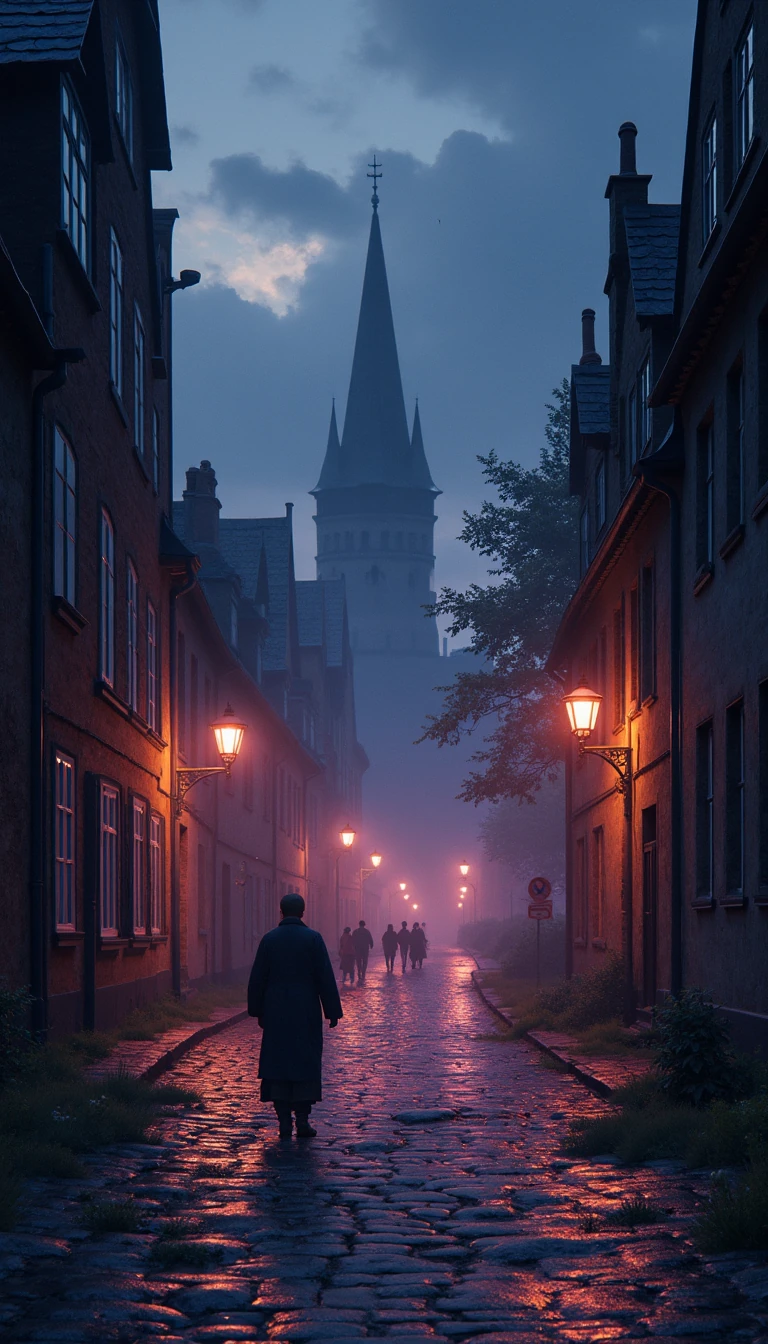
In short: Spanning 36 kilometres between Melk and Krems, the Wachau valley is a UNESCO World Heritage site where prehistoric figurines, Roman ruins, and medieval abbeys converge. Beyond its architectural grandeur, this Austrian landscape is a premier destination for epicureans, famous for its steep, terraced vineyards and sophisticated white wines.
The Wachau valley is a geological and historical marvel, shaped by the Danube River and settled since the Palaeolithic era. Archaeological evidence, such as the 32,000-year-old figurines found at Galgenberg, confirms ancient human occupation. By the Roman era, the region served as a strategic frontier, with fortifications like Castrum Favianis marking the Empire's boundaries until the late 5th century. The medieval period transformed the landscape further, as Bavarian and Salzburg monasteries established the vine terraces that define the region's economy today.
Architectural history in the valley is dominated by the Benedictine abbeys of Melk and Göttweig, both of which serve as cultural anchors. Melk Abbey, founded in 1089, is a masterpiece of Baroque design, housing a library of 100,000 books, including rare incunabula. The valley's towns, such as Dürnstein—where Richard the Lionheart was once held captive—feature a unique blend of medieval layouts and Baroque facades. These structures, along with over 5,000 other historic monuments, reflect a centuries-long evolution of settlement, from wooden medieval housing to the stone constructions of the 15th and 16th centuries.
Viticulture remains the lifeblood of the Wachau, with the valley producing prized dry Rieslings and Grüner Veltliners. The unique microclimate, characterized by significant temperature variations between day and night, combined with stony, thin soil, allows for the cultivation of high-quality grapes. Since 1983, the Vinea Wachau association has enforced strict production standards to maintain the purity of their wines. Today, the region balances this agricultural legacy with modern tourism, ensuring the preservation of its cultural landscape while integrating historical sites into the contemporary economy of Lower Austria.
Opens the Intellect+ feed with this card first. Swipe up for the next one.
Sources
- Summary by Intellect · source: Wachau
- Also: Wikidata — Wachau · CC0
- Also: Wikidata — Wachau · CC0
To cite this card, link to https://intellectplus.co.uk/app/places-wachau.
How we source, check and correct cards: Editorial standards.
General information, not professional advice. Spotted an error? Flag the card or see corrections and complaints.
Intellect Plus is a visual educational discovery platform for exploring fascinating facts and ideas. Brain Food, Not Brain Rot. What is Intellect Plus?
Related
More in World Heritage Sites · More in Countries & Cities · Latest · A–Z · All topics
