Once a medieval capital, this Indian city is now a hub for modern innovation.
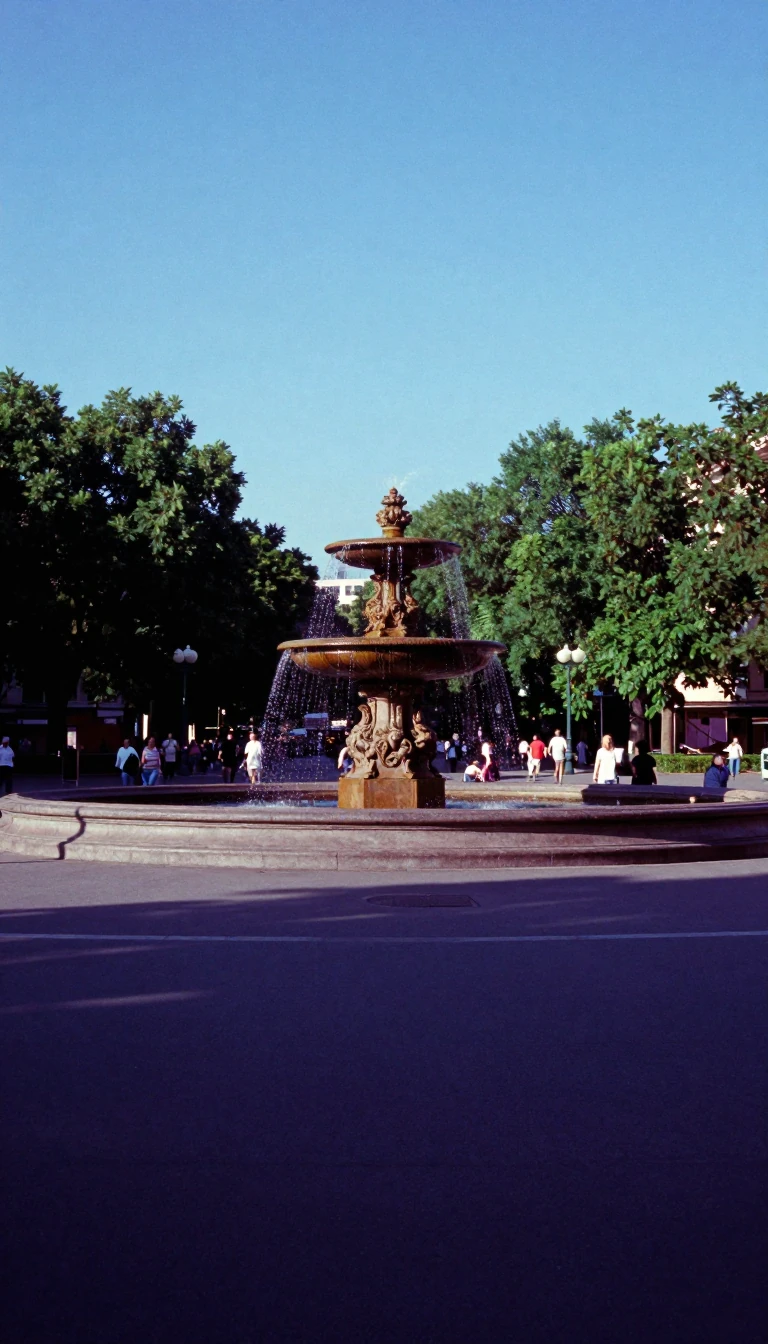
In short: Warangal, a historic seat of the Kakatiya dynasty, has evolved into a thriving center of learning and infrastructure. From its ancient granite fortresses to its status as a UNESCO Global Network of Learning City, this Telangana urban hub balances a rich cultural heritage with ambitious, forward-looking development projects.
Established in 1163, Warangal served as the capital for the Kakatiya dynasty, a period marked by architectural brilliance. The city is defined by its namesake granite boulder, Orugallu, and is home to significant monuments including the Ramappa Temple and the Thousand Pillar Temple. These sites, along with the city's four massive stone gateways, reflect the administrative and cultural sophistication noted by travelers like Marco Polo. Following the dynasty's decline in 1323, the region passed through various powers, including the Delhi Sultanate and the Bahmani Sultanate, before eventually becoming part of the state of Hyderabad and, finally, the modern state of Telangana in 2014.
Today, the city functions as a vital urban center within the Warangal Tri-City area, alongside Kazipet and Hanamkonda. It has gained national recognition for its urban management, notably becoming the first city in India to implement full residential waste segregation. This commitment to efficiency extends to its infrastructure; the city is a participant in the Smart Cities Mission and has been designated a Heritage City. Its economy is diversifying beyond traditional agriculture—which relies on the Godavari lift irrigation scheme—to include a growing IT sector with development centers for companies like Tech Mahindra and Cyient.
The city’s connectivity and educational landscape are equally robust. It hosts prestigious institutions like the National Institute of Technology and is currently expanding its transportation capabilities, including the proposed RapidX rail line to Hyderabad and the planned redevelopment of the Mamnoor Airport. With a population exceeding 800,000, Warangal continues to leverage its historical identity while investing in future-oriented projects, such as the transformation of Bhadrakali Lake into a major geo-biodiversity park. This blend of ancient legacy and contemporary growth positions Warangal as a unique case study in Indian urban evolution.
Opens the Intellect+ feed with this card first. Swipe up for the next one.
Sources
- Summary by Intellect · source: Warangal
- Also: Wikidata — Warangal · CC0
To cite this card, link to https://intellectplus.co.uk/app/places-warangal.
How we source, check and correct cards: Editorial standards.
General information, not professional advice. Spotted an error? Flag the card or see corrections and complaints.
Intellect Plus is a visual educational discovery platform for exploring fascinating facts and ideas. Brain Food, Not Brain Rot. What is Intellect Plus?
Related
More in Asia · More in Countries & Cities · Latest · A–Z · All topics
