How machines talk to machines across the internet without needing a human interface
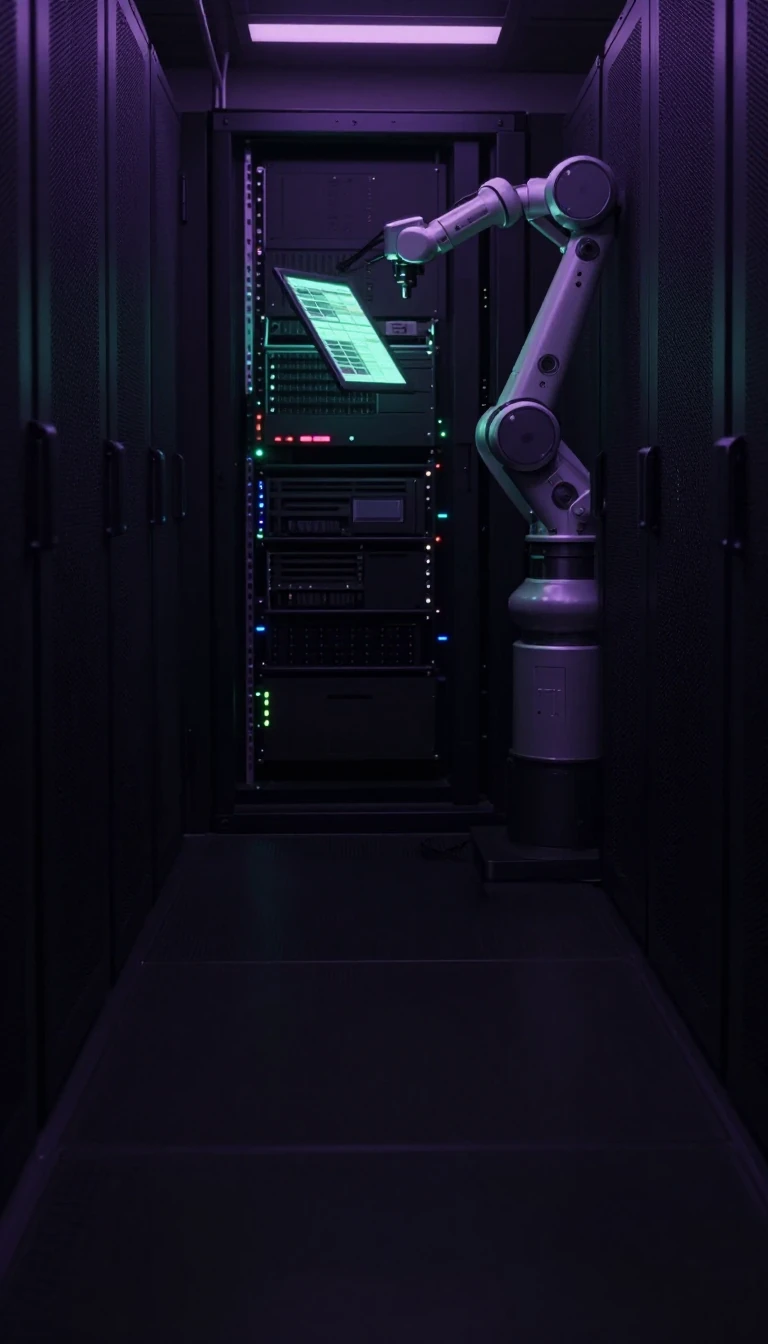
In short: A web service is the silent engine of the modern internet, allowing different software systems to exchange data automatically. By using standardized protocols, these services bridge the gap between diverse programming languages, enabling everything from mobile apps to complex database integrations to function as a single, cohesive digital ecosystem.
At its core, a web service is a software function provided at a network address, designed to support interoperable machine-to-machine interaction. When two systems need to communicate—such as a mobile app requesting data from a database—they act as a service requester and a service provider. Because these systems may be built in different programming languages, they rely on universal data formats like XML or JSON to ensure the information remains readable regardless of the underlying architecture.
The traditional approach to these services, often associated with the W3C, relies on a strict stack of open standards. WSDL (Web Services Description Language) acts as the contract, defining the rules for communication, while SOAP (Simple Object Access Protocol) serves as the transport mechanism for the data. A directory service known as UDDI helps systems discover which provider to contact for specific information. This structured method ensures that requests are validated and errors are handled consistently, though critics argue it can become overly complex compared to simpler alternatives.
In contrast, the industry has increasingly shifted toward Representational State Transfer, or REST. REST-compliant services prioritize simplicity and scalability, often functioning without the heavy protocol requirements of SOAP or WSDL. Modern Web APIs frequently leverage this architecture, using HTTP to manipulate resources directly. Whether using the rigid, contract-first approach or the more flexible REST style, web services remain essential for syndicating data and powering mashups, where a single interface compiles content from multiple machines into one seamless experience for the end-user.
Opens the Intellect+ feed with this card first. Swipe up for the next one.
Sources
- Summary by Intellect · source: Web service
- Also: Wikidata — web service · CC0
To cite this card, link to https://intellectplus.co.uk/app/places-web-service.
How we source, check and correct cards: Editorial standards.
General information, not professional advice. Spotted an error? Flag the card or see corrections and complaints.
Intellect Plus is a visual educational discovery platform for exploring fascinating facts and ideas. Brain Food, Not Brain Rot. What is Intellect Plus?
Related
More in Famous landmarks · More in Countries & Cities · Latest · A–Z · All topics
