Beyond the Vineyards: The Ecological Complexity of California's Famous Wine Country
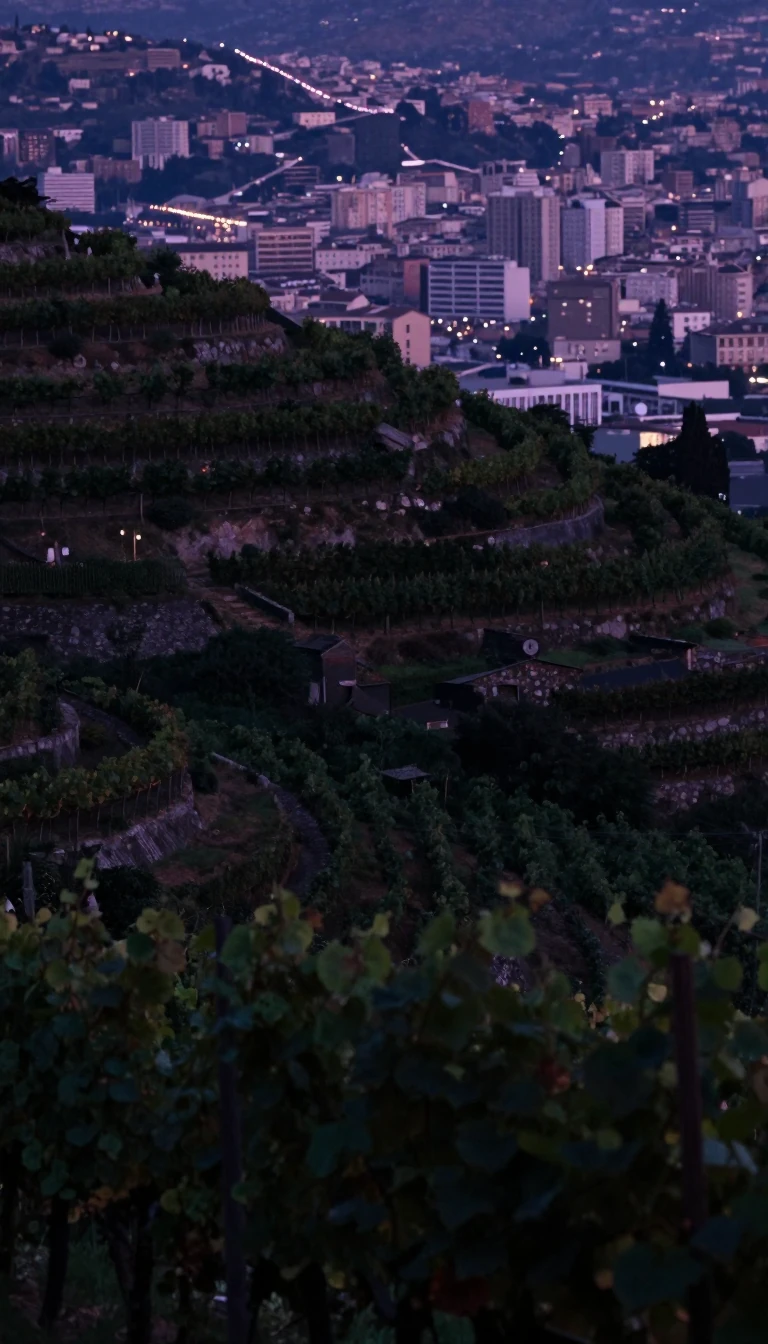
In short: While globally celebrated for its luxury resorts and world-class viticulture, Northern California's Wine Country is a complex landscape defined by more than just grapes. From its indigenous history to its fragile riparian ecosystems, this region balances a massive tourism economy with the preservation of diverse, often endangered, local wildlife.
Defined as the region encompassing Napa, Sonoma, Mendocino, Lake, and Solano counties, along with western Yolo County, Wine Country is a cornerstone of California's identity. Viticulture here traces back to 1812, when Spanish missionaries at Mission San Francisco Solano planted the first vines. The industry later matured through the efforts of figures like Agoston Haraszthy, who pioneered grape cultivation in Sonoma County, and the establishment of the UC Davis Department of Viticulture and Enology in 1880, which remains a global leader in winemaking research.
The region's geography supports a rich variety of life, particularly within its riparian zones. Researchers have long monitored the health of local waterways like the Napa River and Sonoma Creek, noting a historical decline in spawning grounds for species such as the winter-run Chinook salmon, Delta smelt, and steelhead. This degradation is largely attributed to sedimentation and the loss of native vegetation since the 1800s. Beyond the water, the landscape is home to threatened and endangered animals, including the California red-legged frog, the salt marsh harvest mouse, and the California freshwater shrimp, many of which inhabit the Napa Sonoma Marsh.
Today, the region faces the challenges of its own success. Tourism has exploded, with Napa and Sonoma counties now hosting over 800 wineries, a significant jump from the 25 wineries recorded in Napa Valley in 1975. This influx has strained local infrastructure, causing severe traffic congestion on State Route 29 and prompting city governments, such as Napa, to implement new regulations on home-sharing services. Furthermore, the area remains vulnerable to environmental shifts, as evidenced by the widespread destruction caused by the Northern California wildfires in October 2017.
Despite these pressures, the region retains its status as a cultural and culinary hub. Notable figures like Thomas Keller have helped cement its reputation for fine dining, while the diverse terrain—ranging from redwood forests and hot springs to the Pacific coastline—continues to draw visitors. Balancing this intense urbanization with the protection of upland ecosystems, such as oak woodlands and chaparral, remains a central tension for the future of the region.
Opens the Intellect+ feed with this card first. Swipe up for the next one.
Sources
- Summary by Intellect · source: Wine Country
- Also: Wikidata — Wine Country · CC0
- Also: Wikidata — Wine Country · CC0
To cite this card, link to https://intellectplus.co.uk/app/places-wine-country.
How we source, check and correct cards: Editorial standards.
General information, not professional advice. Spotted an error? Flag the card or see corrections and complaints.
Intellect Plus is a visual educational discovery platform for exploring fascinating facts and ideas. Brain Food, Not Brain Rot. What is Intellect Plus?
Related
More in Bodies of water · More in Countries & Cities · Latest · A–Z · All topics
