California’s Central Valley is a massive, man-made agricultural engine enclosed by towering mountain ranges.
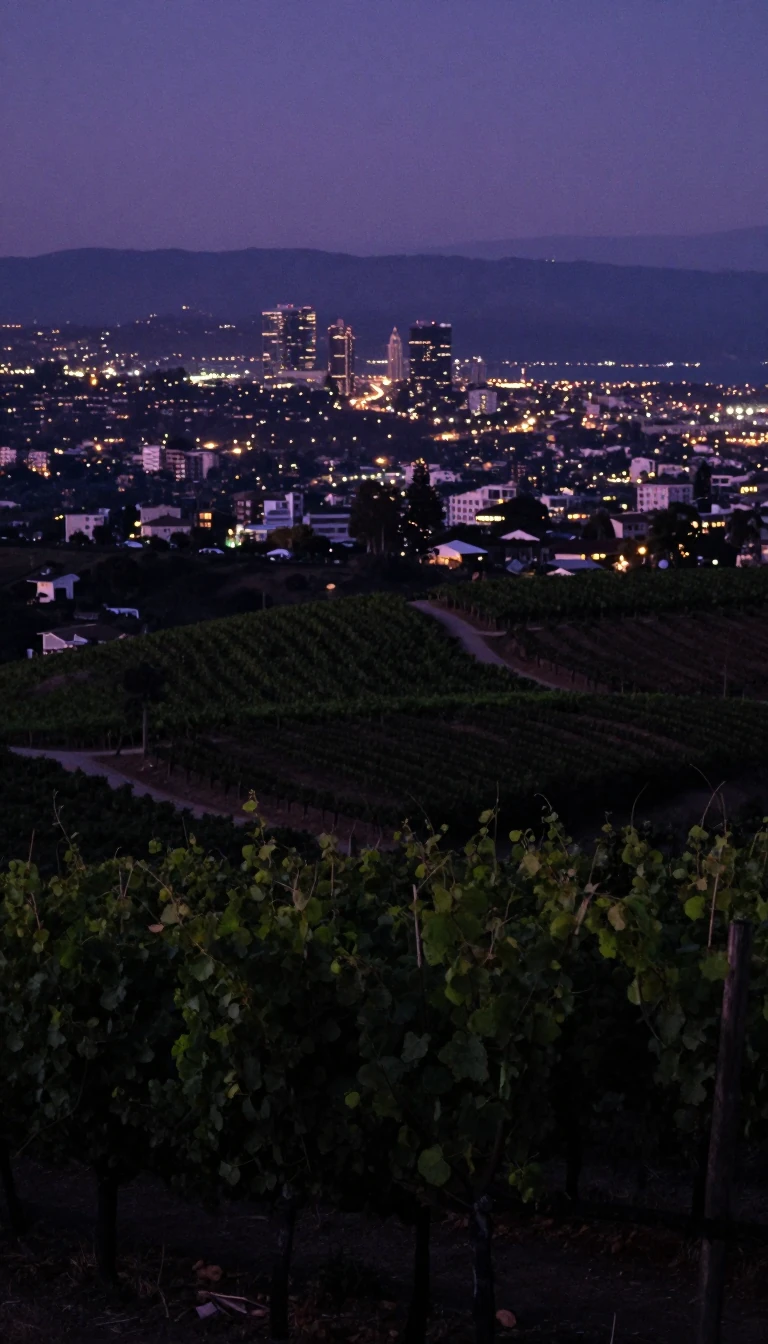
In short: Spanning 18,000 square miles, this flat interior basin feeds a quarter of the United States. Once an inland sea formed by ancient tectonic shifts, it has been transformed by complex irrigation into a global breadbasket, though its geography and identity remain deeply divided between its northern and southern halves.
The Central Valley is a geological anomaly, a vast, flat expanse trapped between the Klamath Mountains, the Sierra Nevada, the Tehachapi Mountains, and the Pacific Coast Ranges. Its origins lie in the subduction of the Farallon Plate, which created a depression that eventually filled with sediment from the surrounding ranges. Before modern engineering, the valley was a seasonal wetland; annual snowmelt from the Sierra Nevada would flood the basin, effectively turning it into an inland sea. Today, the only natural outlet to the Pacific Ocean is the Sacramento–San Joaquin River Delta, which drains into San Francisco Bay.
The region is split into two distinct drainage systems: the wetter Sacramento Valley in the north and the drier San Joaquin Valley in the south. This divide is more than just hydrological. Residents often perceive the two regions as culturally and physically separate, with the San Joaquin Valley being characterized by more arid conditions and poorer soil, yet it holds more than three-fifths of the entire basin. The Sacramento River system provides a high, year-round flow, contrasting sharply with the smaller, seasonal rivers of the southern basin.
Since the 1849 Gold Rush, the valley has undergone a radical transformation. Through an extensive network of dams and canals, it now supports over 300 different crops, including fruits, nuts, and grains. With approximately 300 growing days per year, it is one of the most productive agricultural regions on Earth. However, this success masks significant challenges. The valley remains one of California's most impoverished regions, struggling with air pollution and the difficulty of diversifying an economy that has long relied on its identity as an agricultural powerhouse.
The valley's human landscape is as diverse as its geography. It is home to 7.2 million people and hosts the largest Sikh population in the United States, with Punjabi ranking as the third most common language after English and Spanish. Despite its agricultural wealth, the region continues to grapple with the tension between its historical role as a breadbasket and the modern economic pressures facing its diverse, growing population.
Opens the Intellect+ feed with this card first. Swipe up for the next one.
Sources
- Summary by Intellect · source: Central Valley | California, Map, & Agriculture | Britannica
- Also: Central Valley (California)
To cite this card, link to https://intellectplus.co.uk/app/places-central-valley-california.
How we source, check and correct cards: Editorial standards.
General information, not professional advice. Spotted an error? Flag the card or see corrections and complaints.
Intellect Plus is a visual educational discovery platform for exploring fascinating facts and ideas. Brain Food, Not Brain Rot. What is Intellect Plus?
Related
More in Land relief · More in Countries & Cities · Latest · A–Z · All topics
