Why the winter solstice is the most significant astronomical turning point for humanity
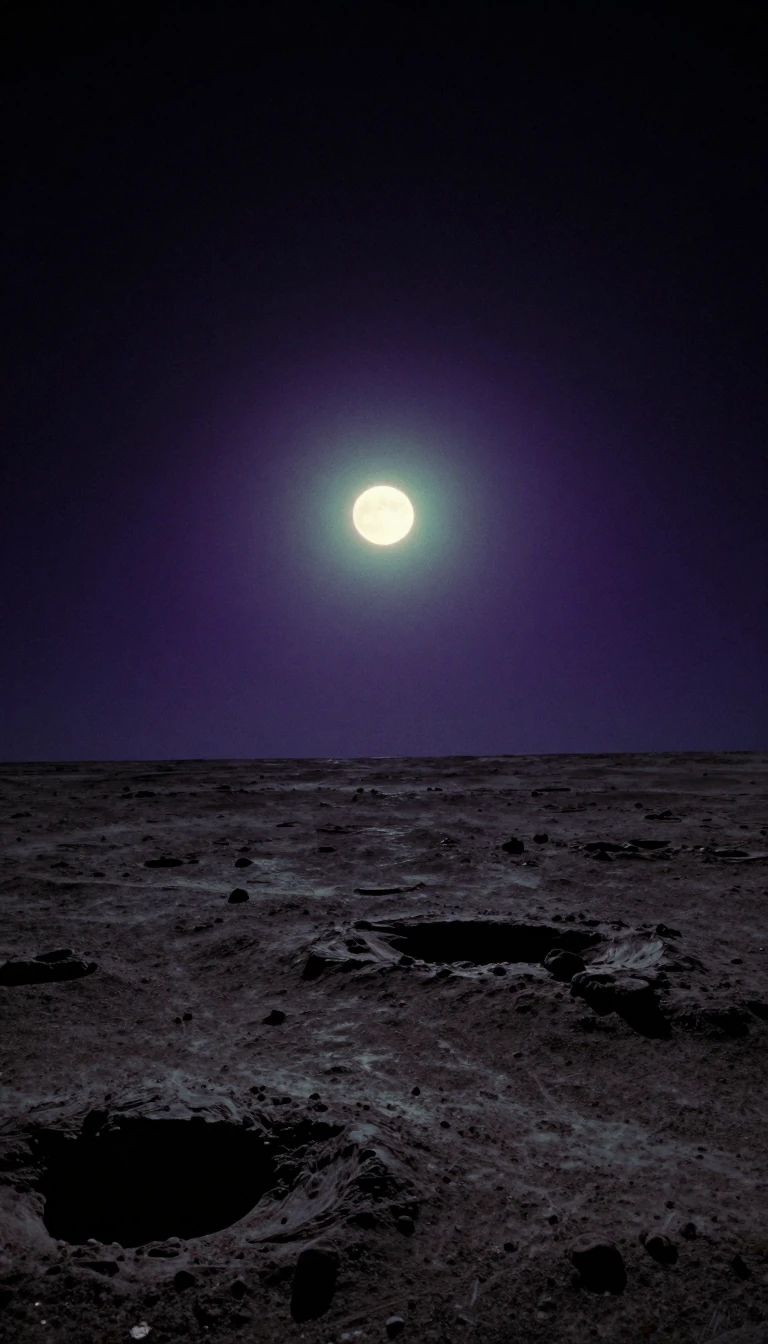
In short: The winter solstice marks the moment Earth’s pole tilts furthest from the Sun, creating the year’s longest night. While we experience it as a brief astronomical event, ancient cultures viewed this pivot as the symbolic rebirth of the Sun, sparking millennia of festivals, feasting, and complex architectural alignments worldwide.
The term solstice derives from the Latin solstitium, meaning 'Sun stands still,' reflecting the Sun’s apparent pause in its path across the sky before reversing direction. While the event occurs at a precise, calculable instant, direct visual detection is notoriously elusive. Because the Sun moves so slowly at this turning point, observers require extreme precision—detecting changes in elevation or azimuth of 1/60th of the Sun’s angular diameter—to pinpoint the exact moment. Consequently, most historical observations focused on the day itself, often using monuments like Stonehenge in England, Newgrange in Ireland, or the Goseck Circle in Germany to capture the sunrise or sunset.
For Neolithic societies, this alignment was not merely aesthetic but functional, guiding critical agricultural cycles like crop sowing and animal mating. Because livestock were often slaughtered before winter to avoid feeding them through the cold, the solstice became a rare time of plentiful fresh meat, fueling widespread feasting. This period of darkness and subsequent return of light was frequently interpreted as the death and rebirth of a Sun god. In ancient Rome, the festival of Saturnalia and the later celebration of Sol Invictus on December 25th reflected this solar reverence, influencing the eventual placement of Christmas.
Global traditions emphasize this transition from darkness to light. In Iran, families gather for Yalda night, consuming pomegranates and reciting poetry to mark the longest night. In East Asia, the Dongzhi festival celebrates the return of positive energy, while Scandinavian traditions of Yule—once a midwinter festival—have left lasting imprints on modern holiday customs. Whether through the burning of a Yule log or the lighting of fires to 'strengthen' the Sun, these rituals acknowledge a fundamental human truth: the solstice is the point where daylight stops ebbing and begins its slow, vital return.
Opens the Intellect+ feed with this card first. Swipe up for the next one.
Sources
- Summary by Intellect · source: Winter solstice
- Also: When is the winter solstice? The shortest day
- Also: Wikidata — winter solstice · CC0
- Also: www.britannica.com — Winter solstice | Definition & Diagrams | Britannica
To cite this card, link to https://intellectplus.co.uk/app/places-winter-solstice.
How we source, check and correct cards: Editorial standards.
General information, not professional advice. Spotted an error? Flag the card or see corrections and complaints.
Intellect Plus is a visual educational discovery platform for exploring fascinating facts and ideas. Brain Food, Not Brain Rot. What is Intellect Plus?
Related
More in Basics · More in Countries & Cities · Latest · A–Z · All topics
